Harnessing the Power of Video Marketing on Social Media
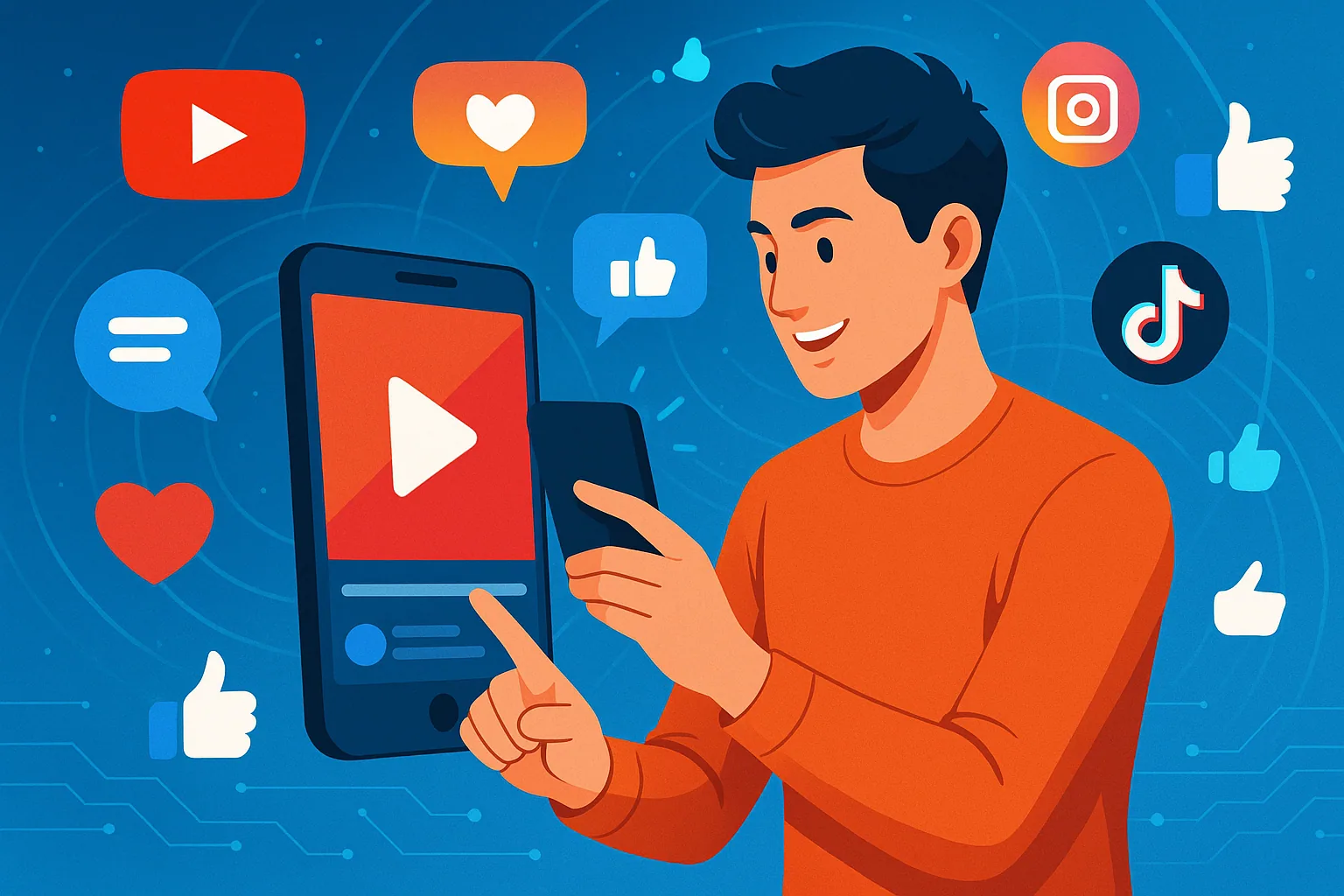
Video marketing isn’t the future — it’s the present. From short-form product teasers to long-form testimonials, brands that leverage video content across social media are already setting the tone for tomorrow's digital success.
Fast Insights: What You’ll Gain from This Article
This guide breaks down how video marketing on social media can amplify your brand’s growth. You’ll walk away with:
- A deep understanding of why video content matters now more than ever
- Key types of videos that drive results (and where to use them)
- Actionable steps to craft your video content strategy
- Optimization tactics to improve SEO, engagement, and conversions
- A peek into technical tools, trends, and platforms that actually matter
- Insight on how to measure success through analytics and ROI
- Real-world applications tailored for eCommerce and DTC brands
Why Video Marketing Reigns on Social Media
The landscape of digital marketing strategy has shifted dramatically in recent years. Static images and long-form copy still have their place, but video content has taken center stage as the most effective, engaging, and scalable format for brand storytelling.
It’s not just about going viral. It’s about building trust, showcasing your personality, and actually moving the needle on business outcomes like traffic, engagement, and sales.
“Consumers retain 95% of a message when they watch it in a video, compared to 10% when reading it in text.”
In the attention economy, every scroll, swipe, and skip is a signal. The right video marketing campaign doesn't just grab attention — it earns it.
Video Marketing’s Strategic Superpowers
Let’s break down the strategic value that makes video so powerful — especially for eCommerce brands.
1. Video Builds Emotional Connection
Great video content doesn’t just tell — it shows. Whether it’s through behind-the-scenes brand stories or user-generated testimonials, video gives your business a face and a voice.
This is crucial for trust building and forming an authentic voice that resonates across social platforms.
2. It Increases Brand Awareness at Scale
Posting optimized video content on platforms like YouTube, TikTok, and Instagram exposes your brand to new audiences. Algorithms love video — and short-form content in particular is highly shareable.
If you’re a small brand looking to punch above your weight, this is your entry point.
For example, using snackable content (under 60 seconds) that focuses on one product feature or benefit can outperform entire blog campaigns when done right.
Types of Video Content That Convert
Not all videos are created equal. Here are the top performers in the world of social media marketing:
Explainer Videos
Help your audience “get it” fast. Use animations, screen recordings, or simple narratives to explain how your product or service works.
Product Demos
Show, don’t tell. Demonstrations highlight real-life use and features in action, helping boost conversion optimization and reduce hesitation.
Pro Tip: Use natural light, a smartphone with 1080p resolution, and an external mic to get high-quality product footage on a budget.
Customer Testimonials
These build social validation and trust. Combine honest customer reviews with visual storytelling and captions to amplify impact.
Live Streams & Webinars
Live content humanizes your brand. Go live during a product launch, answer FAQs in real-time, or host a webinar that adds value.
Building Your Video Content Strategy (Without Getting Overwhelmed)
Creating a video content strategy doesn’t have to mean hiring a crew or renting a studio. It starts with clarity.
Step 1: Set Your Goals
Ask yourself:
- Are you trying to boost brand awareness or drive sales?
- Is your goal retention marketing via video or lead generation?
- Are you building an audience on TikTok, or do you want to increase click-through rates from Facebook?
Step 2: Know Your Audience
Understanding viewer preferences is key. If your audience is mobile-first, lean into vertical video and silent autoplay formats. Use video engagement metrics to test different formats and lengths.
Step 3: Start Small, Scale Fast
Begin with:
- 1 short explainer video
- 1 customer testimonial
- 1 how-to video posted on your website or a landing page
Need help planning and executing this? You can get a free audit to uncover where video fits best in your marketing funnel.
Creating Video That Stands Out (Even on a Budget)
You don’t need to be a videographer — but you do need to respect the craft. Here’s how to get started without wasting time or money.
What You’ll Need:
- A smartphone (preferably with 4K resolution)
- A tripod or stabilizer
- Soft lighting (natural light or a low-cost ring light)
- An external microphone for crisp audio
Editing Tools:
- iMovie (beginner)
- CapCut or InShot (mobile-friendly)
- Adobe Premiere Pro (advanced)
Want a done-for-you strategy for production and editing? Explore our full eCommerce marketing services designed to grow your business on autopilot.
Optimizing Your Videos for Social Media Performance
Once your videos are live, the work is far from over. To truly get the most from your content, you need to optimize for both visibility and performance.
This means mastering the art and science of video SEO, aligning your videos with platform-native content best practices, and understanding how algorithms evaluate and surface your content.
On-Page Optimization: Make Every Element Count
To help your videos get discovered and ranked (especially on platforms like YouTube and LinkedIn), focus on these elements:
- Video Title Optimization
Keep it clear, concise, and keyword-rich. Don’t just say “Product Demo”; try “How to Use Our Shopify Checkout Optimizer in 60 Seconds.” - Descriptions with Metadata
Use your primary keywords, link to relevant pages, and write with natural language. For example, reference relevant tools like those in your eCommerce marketing blog. - Video Transcripts and Captions
Adding closed captions and transcriptions increases accessibility and improves SEO. It also supports silent video viewing — essential on mobile. - Thumbnails That Pop
Your thumbnail should be custom-designed and visually punchy, with minimal text and clear contrast. - Call to Action (CTA)
Whether it’s “Shop Now,” “Learn More,” or “Follow for Tips,” make your CTA short, visible, and actionable.
Mastering Social Media Platforms: What Works Where
Instagram & TikTok
Ideal for short-form video, behind-the-scenes content, and user-submitted videos. Prioritize:
- Vertical video formatting
- Quick hooks in the first 3 seconds
- Trending audio where licensing allows
- Visually bold, fast-paced editing
Bonus tip: Leverage shoppable video features to create a direct path from content to checkout.
YouTube
Perfect for how-to videos, explainer videos, or full product walkthroughs.
- Use video chapters to improve retention rate
- Pair your videos with relevant blog content or FAQs
- Experiment with YouTube Shorts to tap into new audiences
Facebook & LinkedIn
Best for product demos, event coverage, and testimonial content. These platforms favor native uploads, not links from other platforms.
- Add captions for silent autoplay
- Consider A/B testing thumbnails or intros
- Use lead generation CTAs to capture interest early
Harnessing Analytics: What to Track and Why It Matters
Creating video is only half the journey. Understanding how it performs is where you win.
Here’s what to track:
Key Video Engagement Metrics
- View Count: A vanity metric, but still a top-of-funnel indicator
- Watch Time & Retention Rate: Reveals if your content is actually engaging
- Click-Through Rate (CTR): Shows how effective your CTA or thumbnail is
- Shares & Saves: Indicates true audience value
- Comments: Great for qualitative insights and engagement algorithm boosts
Use video analytics tools baked into platforms (like YouTube Studio, TikTok Analytics, and Facebook Insights) to monitor and improve your performance over time.
“What gets measured gets managed. If a video flops, your next step isn’t guessing — it’s testing.”
From Funnel to Framework: How Video Fits Into the Bigger Picture
Video marketing doesn’t sit in a silo. It powers every stage of your customer journey when you use it intentionally.
Top-of-Funnel (Awareness)
- Use viral short-form content to hook attention
- Tap influencer marketing or micro-creators to extend reach
- Run video ad targeting based on interests or behaviors
Middle-of-Funnel (Consideration)
- Share explainer videos, webinars, or behind-the-scenes content
- Focus on brand differentiation and solving specific pain points
- Introduce product value with authentic social proof
Bottom-of-Funnel (Decision)
- Use customer testimonial videos and personalized video messages
- Offer how-to videos that remove purchase hesitation
- Include calls to action with urgency and clarity
By building a video funnel, you integrate your content into a broader visual content strategy — one that builds awareness, drives conversions, and increases lifetime value.
Mobile Is King — So Create Like It
Today’s video viewers aren’t sitting at a desktop with speakers on. They’re scrolling TikTok in a coffee shop or browsing Instagram Stories between meetings.
To meet them where they are:
- Prioritize mobile-first video with vertical framing
- Keep content digestible: under 60 seconds is a good rule of thumb
- Design for silent autoplay — that means strong visuals and readable text
- Test multiple CTAs to discover what drives action
This shift in audience behavior is also driving an uptick in asynchronous video communication, especially in B2B and customer service use cases.
From One to Many: Repurposing Your Video Content
Creating high-quality video takes effort — so why only use it once? Repurposing is where real content efficiency begins. A single explainer video can become:
- A series of short-form TikTok clips
- A LinkedIn native video for thought leadership
- Embedded content in an email marketing campaign
- A looped GIF or teaser for Instagram Stories
- A YouTube Short that drives top-of-funnel discovery
- A visual anchor on a product or service landing page
This approach not only stretches your ROI — it also helps you maintain content consistency across all touchpoints, reinforcing your message wherever your audience is active.
A Simple Repurposing Framework:
- Create long-form content first (3–5 minute demo, how-to, webinar)
- Extract micro-content (pull 15–60 second clips)
- Format for each platform (vertical for mobile, square for Instagram, landscape for YouTube)
- Adjust captions, music, and CTA depending on the platform
- Distribute strategically over time, not all at once
This process transforms one video into an entire social media marketing ecosystem — and gives you more time to focus on growing your business.
Budgeting and Planning Without Burnout
One of the biggest barriers for brands is perceived cost. The good news? You don’t need a Hollywood budget to succeed. But you do need to be intentional.
Smart Budgeting for Video:
- DIY Setup: A ring light, tripod, and lapel mic can run under $200 and still produce high-quality content
- Batch Filming: Shoot 3–5 videos in one day to reduce production cost
- Template-Based Editing: Use tools like Canva or CapCut for professional polish without the learning curve
- Outsource Selectively: Hire freelancers for editing or motion graphics to scale your time
Want a clearer breakdown of where video can fit within your existing budget? Request a free audit and we’ll assess your current marketing efforts, including where video could provide the most return.
What’s Holding You Back? Common Pitfalls to Avoid
Even the best strategy can stumble. Here are the most common traps — and how to sidestep them:
1. Overproducing When Authenticity Wins
Your audience doesn't need a studio — they need a story. Often, authentic voice and relatability outperform polish. Don't let perfection block progress.
2. Ignoring Platform Nuances
Each channel has its own norms, behaviors, and engagement algorithm. A video that works on YouTube might flop on TikTok. Respect the platform-native content style.
3. Forgetting the CTA
If you’re not telling viewers what to do next — they won’t do it. Make your call to action visible, simple, and timely. Every video is a chance to move someone forward.
4. Neglecting Post-Production
A poorly cut video, low audio quality, or bad lighting can kill great content. Invest in solid post-production and maintain brand consistency across your visuals.
5. Not Measuring or Iterating
Video engagement rate tells you what’s working — and what’s not. Don’t publish and pray. Review analytics, tweak your message, and test different formats continuously.
Why Video Belongs at the Core of Your eCommerce Strategy
Let’s be blunt: if you’re running an online store in 2025 and not using video, you're invisible.
Whether it’s:
- A short-form product teaser on TikTok
- A 360-degree video showing product details
- A personalized video message in post-purchase emails
- Or a retention-focused tutorial that reduces churn
Video is no longer optional — it’s essential.
For DTC and eCommerce brands, the combo of visual storytelling, mobile video consumption, and social validation is exactly what today’s buyer needs to feel confident.
You’re not just selling a product. You’re delivering trust in motion.
Final Thoughts: Start Small. Scale Confidently.
You don’t need to go viral. You don’t need a drone. You just need to start.
Harnessing the power of video marketing on social media doesn’t mean reinventing your brand overnight. It means crafting intentional, platform-optimized, and audience-first content — consistently.
And it all begins with one video.
Want help developing a strategy that converts?
We specialize in eCommerce video marketing, social strategy, and conversion optimization tailored to brands like yours. Whether you’re just starting or scaling fast, we can help.
👉 Explore our services
👉 Request your free audit today
Your customers are already watching. It’s time to show them something worth remembering.
Frequently Asked Questions (FAQ)
Harnessing the Power of Video Marketing on Social Media
1. How long does it take to see results from video marketing on social media?
Results can vary based on your strategy, platform, and consistency. On average, most brands begin to see measurable improvements in engagement, reach, or conversions within 4–8 weeks of consistent posting and promotion. Paid campaigns may show faster ROI, while organic growth requires more patience and optimization.
2. Do I need to hire a professional videographer to create social media videos?
Not necessarily. Many successful brands start with DIY video content using smartphones, natural lighting, and basic editing apps. However, for product launches, brand trailers, or complex tutorials, hiring a professional can help with post-production quality and brand polish.
3. What’s the ideal video length for each social media platform?
Here’s a quick guideline:
- Instagram Reels / TikTok: 15–60 seconds
- YouTube Shorts: under 60 seconds
- Facebook / LinkedIn: 30–90 seconds for ads, up to 3 minutes for value-driven content
- YouTube (standard videos): 3–7 minutes is the sweet spot for tutorials, explainers, and product reviews
4. How often should I post video content on social media?
For most platforms, 2–4 videos per week is a healthy baseline. More important than frequency is consistency. Use a content calendar to stay organized and post regularly based on when your audience is most active.
5. Should I upload natively or link from YouTube?
Always upload natively to each platform when possible. Native uploads:
- Get better algorithm reach
- Enable auto-play in feeds
- Increase viewer retention
You can still host your long-form content on YouTube and use snippets or teaser videos on other platforms to drive traffic.
6. How do I add subtitles or captions to my videos?
You can:
- Use built-in captioning tools in apps like YouTube Studio, Instagram, or TikTok
- Upload .SRT files if your platform supports it
- Use AI tools like Descript or CapCut to auto-generate captions and edit them quickly
Subtitles help with accessibility and improve engagement for silent video viewing.
7. Is live video still relevant for marketing?
Absolutely. Live streaming creates real-time interaction, boosts authenticity, and often gets priority placement in social feeds. Consider live sessions for:
- Product reveals
- Q&A events
- Behind-the-scenes tours
- Flash sales or limited drops
8. How do I come up with video content ideas consistently?
Try these methods:
- Repurpose blog posts into explainer videos
- Turn FAQs into how-to content
- Feature customer stories or video testimonials
- Use Google Trends, Reddit, or TikTok trends for content inspiration
- Conduct a monthly brainstorm based on your product launches, seasonal moments, and FAQs
9. Can I use the same video across all platforms?
Not without modification. Each platform has its own best practices:
- Adjust aspect ratio (e.g., vertical for TikTok, square for Instagram feed)
- Tailor captions and hooks for each audience
- Optimize for platform-native features like stickers or interactive buttons
Using one video idea across platforms is great — just make sure to adapt the execution.
10. How can I make sure my video aligns with my brand identity?
- Use consistent colors, fonts, and logos
- Develop a brand tone of voice — whether it’s playful, informative, or motivational
- Choose music and visual styles that match your audience and product category
- Consider building a simple video style guide so every piece of content reflects your brand