Leveraging Influencer Marketing for Brand Growth
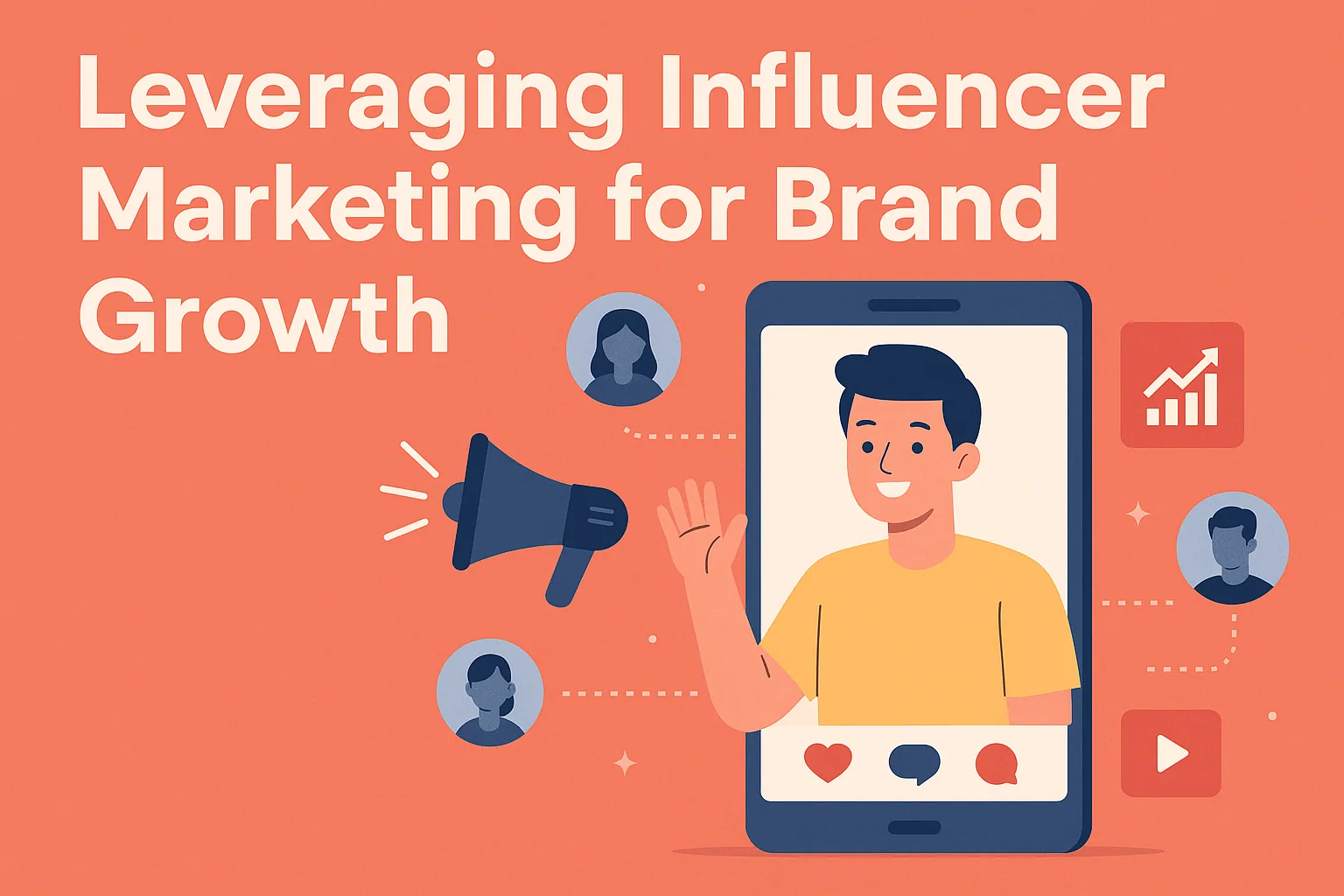
Influencer marketing can feel overwhelming, especially if you're trying to do it as a growing brand. In this article, we explore a practical and strategic approach for integrating influencer collaborations into your growth plan. You'll learn how to find the right influencers, avoid common traps, track performance, and build genuine long-term partnerships that actually drive revenue—not just vanity metrics. If you're aiming for brand credibility, better engagement, and real conversions, this guide is for you.
Summary: What You’ll Take Away
- Why influencer marketing is more than just hiring people with followers.
- How brand awareness and trust are built through authenticity and niche voices.
- Why micro-influencers and even nano-influencers outperform mega-celebrities.
- How to build a campaign strategy using content creation, collaboration, and performance tracking.
- Which campaign metrics actually matter, and how to use them.
- Tactics to ensure transparency, manage creative freedom, and foster community engagement.
- A brief on tools, trends, and platform strategy that can scale with your brand.
Why Influencer Marketing Still Works (When Done Right)
The term influencer might feel overused by now, but when applied strategically, it’s one of the most powerful ways to humanize your brand. At its best, influencer marketing connects real people with real experiences, enabling brands to plug into trust networks that already exist.
But success doesn’t come from simply sending free product to a popular Instagram account. Success happens when there's alignment between your brand values, your target audience, and the storytelling power of the influencer.
For example, if your brand sells eco-conscious products to health-conscious millennials, partnering with a beauty celebrity known for flashy, unsustainable lifestyle content will ring hollow. Instead, a niche audience might respond better to a micro-influencer who’s genuinely into clean living—even if they only have 25K followers.
"People follow influencers for their authenticity, not their reach. Choose someone your audience already trusts."
If your brand needs help getting clarity on audience alignment, consider starting with a free audit. You’ll walk away with more than just numbers—you’ll get actual insight into where your brand fits in the ecosystem of influence.
The Foundation: Goals First, Not Influencers
Before choosing who to work with, define what you’re working toward. Influencer marketing can serve different functions depending on your goals:
- Boosting brand awareness
- Generating user-generated content (UGC)
- Driving conversions and sales growth
- Improving community engagement
- Enhancing brand credibility through association
A strong campaign strategy doesn’t start with the influencer—it starts with the outcome you’re chasing. Once you know your objective, everything else (who, where, how, and what) becomes easier to shape.
For instance, aiming for conversions? You might want performance-based campaigns tracked via custom discount codes or affiliate links. Trying to grow a community? You may want long-term relationships with influencers who can act as ongoing brand ambassadors.
And don't forget to align campaigns with your existing channels. For ecommerce brands that need smart integration, our services help bridge influencer content directly into your on-site marketing flow—like retargeting, email, or even native product pages.
Influencer Selection: The Strategy of Alignment
Choosing the right influencer isn’t just about follower counts—it’s about fit. Here's a simple framework to guide your selection:
✅ Relevance
- Does their content naturally relate to your products?
- Are their values compatible with your brand voice?
✅ Engagement
- Are their likes and comments organic and meaningful?
- Does the influencer interact with their audience?
✅ Authenticity
- Do they post sponsored content that feels genuine?
- Have they used or endorsed similar products before?
✅ Audience Persona Match
- Is their follower base close to your target audience demographics?
- Do they speak to a niche audience that aligns with your vertical?
Many tools can help you dive into this, such as influencer discovery tools like BuzzSumo or Upfluence. But even a simple scan of their recent content—and the tone of their comment section—can tell you a lot.
Also, consider tiers beyond the typical influencers:
- Nano-influencers (1K–10K followers): Small, intimate communities and very high engagement rates.
- Micro-influencers (10K–100K): Best blend of cost-effectiveness, authenticity, and influence.
- Macro/Mega-influencers (100K+): High visibility, often better for awareness than conversion.
Remember, it's not always about visibility. It’s about trust. People trust real recommendations over ads. In fact, 92% of consumers say they trust an influencer over a traditional celebrity endorsement.
What Makes Content Convert?
Great influencer marketing isn’t about scripted promos or lifeless product shots. It's about storytelling. Let the influencer craft a narrative around your product that fits their voice. Give them creative freedom, but with brand guidelines to ensure alignment.
This is where content creation turns from simple promotion into a powerful brand-building exercise.
Examples of content that converts:
- Tutorials or how-to videos featuring your product.
- Lifestyle posts that seamlessly integrate your brand.
- Honest review-style content with emotional storytelling.
- "A day in the life" style UGC with product placements.
Be sure your campaign also includes a well-designed hashtag strategy, especially for social media platforms like TikTok and Instagram. Hashtags not only help content get discovered—they also allow you to track mentions and UGC that could be reused in paid media or on your site.
Looking for inspiration? Explore our homepage at Easy Ecommerce Marketing to see how we help ecommerce brands leverage owned media and influencer content for seamless storytelling across channels.
Building Your Campaign Foundation
Before diving into any partnerships, it’s vital to build a clear campaign strategy that aligns with your business objectives. Are you aiming to boost brand awareness, increase traffic, drive sales, or all of the above?
Every successful influencer initiative starts with:
- A clearly defined target audience
- Measurable KPIs like engagement rate, click-throughs, or conversions
- A content creation framework that offers creative freedom to influencers while staying true to your brand identity
“Without clarity of purpose, influencer marketing becomes noise. With it, it becomes your loudest, most persuasive brand voice.”
Establishing this foundation allows you to align with creators whose audience personas mirror your own customer base. This alignment builds the groundwork for authenticity, which is the cornerstone of trust.
For example, on our Services page, we’ve helped brands create scalable influencer systems by focusing first on campaign clarity, not just creator quantity.
Choosing the Right Influencers
One of the most common misconceptions is that bigger always means better. But working with mega-influencers isn’t always the golden ticket—especially if you’re operating in a competitive or niche vertical.
Instead, micro-influencers and even nano-influencers are proving to be high-ROI assets due to their stronger connections with a more engaged, focused audience.
Influencer tiers to consider:
- Nano-influencers (1K–10K followers): Perfect for local or community-based brands.
- Micro-influencers (10K–100K): Excellent for niche product storytelling with high engagement.
- Macro-influencers (100K–1M): Great for broad lifestyle alignment.
- Mega-influencers (1M+): Ideal for brand awareness at scale but can lack audience intimacy.
Each tier has its place depending on your goal. Choosing the right influencer is not just about numbers—it’s about relevance, trust, and storytelling potential.
And don’t overlook the power of influencer discovery tools like Upfluence, BuzzSumo, and others to pinpoint creators whose audience demographics match yours.
Need help identifying the right tier for your next launch? Request your free audit and we’ll evaluate influencer-market fit for your brand.
Creating Content That Converts
Here’s the truth: people don’t want ads. They want stories. That’s why content creation should revolve around emotion, relatability, and trust—not just product specs.
The best performing influencer collaborations:
- Integrate your product into real-life scenarios
- Prioritize user-generated content (UGC) for reposts and ads
- Utilize platform-specific formats (Reels, TikToks, YouTube Shorts)
- Tell a cohesive brand story over multiple posts or platforms
Authentic content builds brand credibility faster than any paid ad. When influencers are given the space to bring their own voice and experience to the campaign, engagement rates naturally increase.
You can enhance campaign longevity and consistency by building long-term relationships with select influencers rather than running one-off promotions.
Tip: Use a simple influencer contract that outlines deliverables, usage rights, and performance expectations to protect both your brand and the creator.
Platform Strategy: Not All Channels Are Created Equal
When planning influencer campaigns, your social media platform mix matters just as much as your content.
Each platform carries a distinct audience behavior profile:
- Instagram is powerful for aspirational visuals and product tagging.
- TikTok excels in high virality and youth culture engagement.
- YouTube is the king of long-form storytelling and SEO longevity.
That’s why a cross-platform strategy works best for sustainable brand lift. Repurpose long-form reviews into short-form clips, or splice TikTok UGC into Facebook ads.
A successful campaign isn't tied to one channel—it’s fluid, adaptive, and multiplies ROI across all touchpoints.
Tracking Performance & Measuring What Matters
Once your campaign is live, the real work begins. Influencer marketing doesn’t end at post-launch; it evolves through continuous measurement and refinement. Tracking campaign metrics and KPIs is critical not only to determine success but to optimize future collaborations.
Here are the metrics that matter most:
- Engagement rate (likes, comments, shares): Reflects content relevance and resonance
- Click-through rate (CTR): Indicates interest and intent
- Conversion rate: Ties directly to sales growth
- Follower growth or website traffic: Helps measure brand awareness
- Sentiment analysis: Monitors how people feel about your campaign (positive, neutral, negative)
Don’t just measure visibility—measure impact. Viral reach means nothing if it doesn’t translate into real brand action.
You can use tools like Meta Ads Manager (for paid boosts), TikTok Creator Marketplace, or even Google Analytics to tie influencer-driven traffic to on-site behavior. For eCommerce stores, tools like Shopify’s analytics suite or GA4 can help connect performance-based campaigns to actual purchases.
For brands just getting started, we recommend reviewing your goals with an expert team. Easy eCommerce Marketing offers integrated solutions to help you set up the right KPIs and influencer tracking infrastructure for long-term success.
Building Community and Long-Term Brand Equity
While short-term activations can spike awareness, the real power of influencer marketing lies in community engagement and brand equity over time. Brands that foster ongoing relationships with creators develop stronger, more authentic networks—essential for sustainable growth.
How to build that community:
- Turn top-performing influencers into brand ambassadors
- Offer early access or exclusive products to influencers’ followers
- Highlight user-generated content (UGC) in your social feeds and newsletters
- Create hashtag strategies to encourage participation and track reach
- Launch contests or giveaways that invite deeper audience involvement
These approaches don’t just build visibility—they reinforce your brand credibility by making customers feel heard and involved. This creates a loop where influencers drive engagement, and engaged users generate content that drives even more credibility.
And remember: reputation management isn’t just about avoiding scandals—it’s about amplifying positive voices consistently over time.
Influencer CRM and Scaling Collaborations
Once you’ve run a few successful campaigns, managing influencers manually becomes unscalable. That’s where influencer CRM tools come in. These platforms let you track contracts, performance history, product sends, payments, and more—all in one place.
Benefits of using influencer CRM systems include:
- Streamlined collaboration workflows
- Better organization of influencer tiers
- Easier reactivation of past performers
- Centralized communication and analytics
Whether you're managing 5 creators or 500, CRM platforms like Aspire, GRIN, or even Notion-based dashboards help make influencer collaboration more efficient.
If you're ready to systematize and scale your efforts, our services include influencer workflow automation strategies that allow you to grow without burning out your internal team.
Looking Ahead: Trends Shaping Influencer Marketing in 2025
The space is evolving fast. Staying ahead of emerging trends means you’ll never be caught flat-footed when the platforms or creator economy shifts.
Influencer marketing trends for 2025 include:
- AI-powered influencer discovery tools that use audience overlap and purchase behavior
- Increased emphasis on paid vs. organic influencer content balance
- Data-driven marketing campaigns tied closely to eCommerce ROAS
- Greater importance on influencer fraud detection to ensure genuine reach
- Brands developing a brand storytelling framework to maintain narrative consistency across influencer touchpoints
The future favors brands that are agile, authentic, and analytical.
Final Thoughts
Leveraging influencer collaborations isn't about chasing followers or gimmicky promotions—it’s about aligning your brand with trusted voices who can speak to your audience better than any billboard or pre-roll ad ever could.
If you’re ready to build a high-performing influencer strategy that’s grounded in data, optimized for ROI, and designed to scale with your business, get your free influencer marketing audit today.
We’ll help you uncover the gaps, discover new opportunities, and build a campaign structure that drives real growth—not just likes.
Frequently Asked Questions (FAQ)
1. How much should I budget for an influencer marketing campaign?
Budgets vary widely depending on your goals, influencer tier, and platform. Nano-influencers may cost as little as $50–$200 per post, while macro- or celebrity influencers can charge thousands. A good starting point is to allocate 10–25% of your digital marketing budget to influencer efforts.
2. How do I approach influencers professionally?
Reach out with a clear, personalized message. Include:
- Who you are
- What your brand stands for
- Why you think they’re a fit
- What the collaboration would involve (deliverables, timeline, compensation)
Using a media kit or influencer brief is also recommended for clarity and professionalism.
3. What platforms are best for influencer marketing?
It depends on your audience. Instagram and TikTok are top choices for B2C visual brands, while YouTube is powerful for tutorials and long-form reviews. LinkedIn and Twitter (now X) are better suited for B2B or thought leadership campaigns.
4. Do I need a contract when working with influencers?
Yes. An influencer contract ensures both parties understand the scope, usage rights, disclosure requirements, payment terms, and timelines. It protects your brand legally and helps manage expectations.
5. What are the legal rules for influencer marketing?
Most countries require influencers to disclose paid partnerships clearly—usually via tags like #ad or #sponsored. In the U.S., the FTC (Federal Trade Commission) enforces these rules. Make sure your influencer partners understand and follow local regulations.
6. How do I tell if an influencer’s engagement is authentic?
Check for:
- Consistent engagement relative to follower count
- Quality of comments (avoid spammy or generic ones)
- Audience location and demographic alignment
- Use tools like HypeAuditor or SocialBlade for fraud detection
7. How long should an influencer partnership last?
Short-term campaigns can work, but long-term relationships often perform better. Repeated exposure increases trust and brand recall. Consider turning high-performing influencers into brand ambassadors for extended campaigns.
8. Can influencer marketing work for niche or local brands?
Absolutely. In fact, niche audiences often respond more positively to influencers they trust in specific categories. Local or regional nano- and micro-influencers can be highly effective for hyper-targeted campaigns.
9. What’s the difference between affiliate and influencer marketing?
Affiliate marketing is performance-based—partners earn a commission for each sale. Influencer marketing often includes upfront payment and focuses more on content and branding. Many brands combine both for broader impact.
10. How soon should I expect results from an influencer campaign?
Some impact—like brand awareness and engagement—can be seen within days. However, conversions or long-term community engagement often take multiple touchpoints and repeated campaigns to materialize. Influencer marketing is a medium to long-term strategy, not a quick fix.