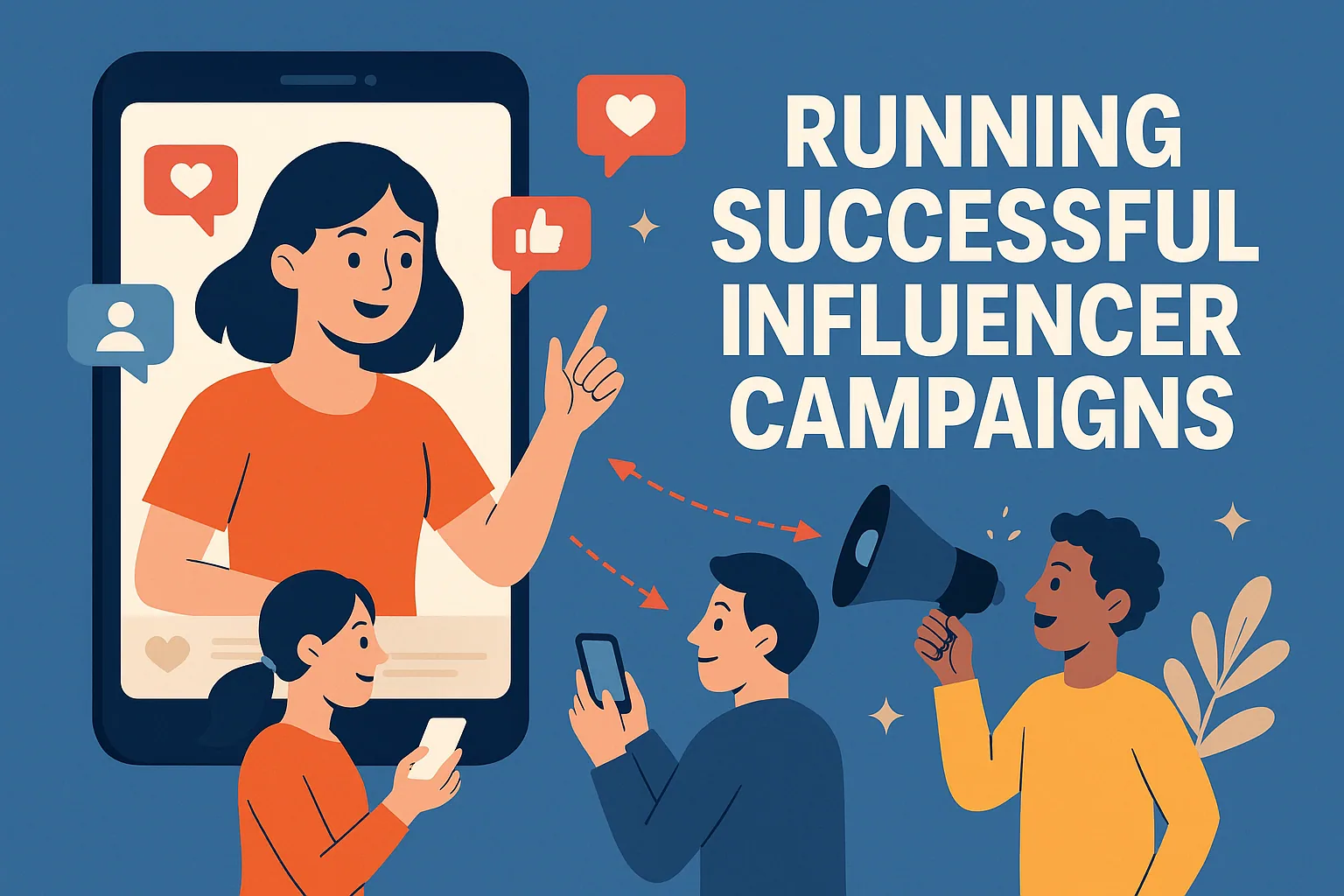
Running Successful Influencer Campaigns
If you're looking to harness the power of influencer marketing but don’t know where to begin, this guide will walk you through the real-world blueprint for campaigns that drive engagement, conversions, and long-term brand loyalty. Here’s what you’ll gain:
- How to build a scalable campaign strategy that doesn’t rely on guesswork
- Why micro-influencers often outperform celebrities
- The secret to authentic content creation that feels native, not forced
- A breakdown of content formats that convert: giveaways, takeovers, product reviews, and more
- How to track performance with real-time analytics, without obsessing over spreadsheets
- Tools, templates, and structures to automate outreach, vetting, and relationship management
- And how to avoid common traps like vanity metrics and poor audience alignment
By the end of this article, you’ll know how to execute campaigns that don’t just look good—they drive measurable results.
Why Most Influencer Campaigns Fall Flat
It’s easy to assume influencer marketing is just about sending free products to people with followers. But if that’s your approach, your campaign likely won't achieve much beyond a few likes and maybe a story or two.
What separates standout campaigns from the sea of forgettable ones? Strategy. Structure. Relevance. And above all—authenticity.
"The difference between campaigns that convert and those that don't often comes down to how deeply the brand understands the why behind the partnership—not just the who."
Before you even think about tapping someone with a massive following, ask yourself:
- What is the real objective of this campaign?
- How will we measure success beyond surface-level metrics?
- Are we aligned with this influencer’s audience, values, and content style?
- Do we have the systems in place to manage this at scale?
Let’s dig deeper.
The Foundation: Campaign Strategy That Delivers
One of the first mistakes brands make is jumping into collaborations without a clear campaign strategy. If you're serious about results, you’ll need to treat this like any high-stakes marketing initiative.
Ask yourself:
- Are you building brand awareness, or aiming for conversions?
- Is the goal user-generated content (UGC) or deeper audience engagement?
- Is this part of a multichannel campaign or a standalone push?
Every objective requires a different approach, influencer tier, and timeline. For example, giveaways are great for reach and awareness, while affiliate links or product reviews might focus more on conversion and CRO (Conversion Rate Optimization).
To make your strategy airtight, consider using an influencer briefing template to standardize communication with each collaborator. This ensures visual branding consistency, creative guidelines, KPIs, and legal terms (like FTC compliance) are crystal clear from the start.
The Art of Influencer Discovery (Hint: It’s Not Just Follower Count)
Forget the influencer with 2 million followers and engagement below 1%. Today, micro-influencers (usually between 5,000–100,000 followers) drive higher engagement rates, tighter community bonds, and more authentic storytelling.
Why?
- They often respond directly to DMs and comments
- Their audience trusts them more
- They typically have better audience alignment with niche communities
Use influencer vetting tools or platforms like Aspire or CreatorIQ to find talent who align not just with your product, but your brand tone, values, and visual identity. Pay attention to:
- Past sponsored content: Does it feel forced or natural?
- Consistency: Is their engagement steady, or spiky from giveaways?
- Demographics: Does their audience reflect your target customer segments?
When you partner with influencers who understand your niche, the collaboration feels like a natural extension of their content—not an interruption.
If you’re unsure where to start, grab a free audit to identify gaps in your existing influencer efforts or ecommerce strategy.
Content Creation That Doesn’t Feel Like Advertising
Influencer campaigns live or die by content.
The most effective formats aren't always the most polished—they're the most authentic. Whether it’s a spontaneous Instagram Story, a YouTube product review, or a raw TikTok reaction video, audiences crave realness.
Here are content types that work:
- Giveaways – Still a classic for engagement and reach. Partner with influencers to co-host contests and build buzz.
- Product Reviews – Informative, SEO-friendly, and great for evergreen content.
- Influencer Takeovers – Let creators post directly on your account for a day, giving your audience a fresh lens.
- Behind-the-scenes content – Especially powerful in ecommerce to show how products are made or how packaging works.
Pro Tip: Build content reuse into your influencer contracts. With proper permissions, these assets can be repurposed for paid ads, product pages, and email sequences.
This isn’t just about increasing volume. It’s about using content repurposing to multiply ROI without increasing creative workload.
Explore how we help ecommerce brands scale performance through campaigns that prioritize both creative freedom and conversion strategy.
Building Campaign Infrastructure That Scales
Running a great influencer campaign once is easy. Running multiple, scalable, and performance-driven campaigns without burning out your team—or your budget—is where the real challenge begins.
At this stage, we shift from vision to execution. Because while creativity drives content, infrastructure drives consistency. And the brands that win with influencer marketing aren't just winging it with DMs and spreadsheets. They’ve built a system.
Let’s look at the back-end mechanics that support successful, repeatable influencer efforts.
Outreach That Doesn’t Feel Like Spam
Whether you're working with five influencers or 500, communication must be consistent, personalized, and scalable. That’s where an influencer outreach template becomes critical.
Here’s what a strong outreach system includes:
- Segmented influencer lists based on niche, platform, or audience size
- Personalization tokens for names, recent posts, or shared interests
- Clear campaign details and expectations
- A compelling offer—compensation, exposure, or partnership perks
- A branded link to your product or landing page
You’re not just emailing people. You’re introducing them to your brand’s world. Make it feel intentional.
And yes, automation can help. Just don’t lose the human tone. The goal is to be structured, not robotic.
From DM to Deliverables: The Power of Contract Management
Too many brands skip this step and pay for it later.
Contract management isn’t just about legal coverage. It’s about aligning expectations and protecting both sides. A well-written influencer agreement should cover:
- Content formats, platforms, and posting schedule
- Usage rights (especially if you plan to repurpose content for ads or emails)
- Performance-based bonuses or KPIs
- FTC compliance and disclosure language
- Payment timelines and methods
This document sets the tone for a professional collaboration. And it creates clarity if something goes off-track.
Performance Tracking: Beyond Vanity Metrics
It’s tempting to chase likes, views, and impressions. But true campaign ROI comes from a clear understanding of KPIs and metrics tied to business goals.
Here’s what to track instead:
MetricWhy It MattersEngagement RateGauges audience interaction, not just reachClick-through Rate (CTR)Measures how well content drives actionConversion RateConnects content to actual sales or sign-upsContent Saves / SharesIndicates how valuable or compelling your post wasCode Redemptions / Affiliate LinksPerfect for tracking performance-based results
Platforms like TikTok and Instagram offer native analytics, but for deeper insights and real-time analytics, consider influencer platforms that offer campaign dashboards and live reporting.
And for internal teams? Sync data with your ecommerce platform or CRM so you can attribute outcomes directly to specific creators or campaigns.
“The fastest way to lose money in influencer marketing is to not know what success looks like.”
If your campaign goals include driving traffic to specific product pages or content hubs, make sure you have properly tagged links, affiliate tracking, or UTM codes in place before launch.
Tools That Save Time and Sanity
If you’re still managing campaigns through a mix of screenshots, notes, and late-night Slack messages, it’s time to upgrade.
Here’s a basic tech stack we recommend for scaling efficiently:
- Influencer Discovery Platforms: Aspire, Influencity, Upfluence
- Collaboration & Contract Management: HelloSign, Notion, or Google Workspace
- Campaign Tracking Tools: Google Analytics, Shopify analytics, and 3rd-party dashboards
- Content Libraries: Airtable or Trello for asset organization
- Real-Time Monitoring: Use tools with story/reel tracking so ephemeral content isn’t lost forever
Want to save time on research? Our Services help ecommerce brands streamline campaign setup, automation, and optimization with battle-tested systems that scale.
Building for Multichannel Success
Influencer marketing isn’t platform-specific anymore. Today, campaigns live across:
- Instagram Stories and Reels
- TikTok videos
- YouTube Shorts
- Long-form YouTube content
- Blog product roundups
- Podcast mentions
- Newsletter features
Smart brands think in terms of multichannel campaigns, and influencers are often your bridge across them.
Coordinate content calendars across platforms, and track performance by channel to learn where your conversion levers are strongest. Sometimes an Instagram Story drives awareness, while a YouTube video delivers longer-term value via SEO and credibility.
"Meet your customer where they consume—not where it's convenient for you."
Sustaining Success Through Systems and Relationships
At this stage, your influencer campaigns are live. You’ve secured the right creators, you’re collecting great content, and you’re tracking performance with precision.
Now comes the part most brands neglect: sustaining momentum.
Because the goal isn’t just one-off campaigns. It’s turning your influencer marketing into a repeatable, revenue-generating channel—and doing so without rebuilding from scratch every time.
Let’s close the loop by looking at how to build longevity, scale, and community through smarter processes.
Influencer Lifecycle Management: From Outreach to Advocacy
One of the most overlooked strategies in ecommerce influencer marketing is treating influencer relationships like customer lifecycles.
Not every creator should be a one-and-done collaboration. In fact, your most valuable brand advocates often emerge after their first campaign.
Here’s a simple influencer lifecycle model to consider:
- Discovery – Using tools or manual research to identify potential matches
- Onboarding – Contracting, briefing, and aligning on expectations
- Activation – Executing the campaign
- Evaluation – Reviewing content and performance
- Reactivation – Inviting top performers back with new briefs
- Advocacy – Building long-term ambassador roles or co-branded partnerships
This approach not only builds trust and consistency, but also reduces the cost and time of onboarding new talent repeatedly.
Want to see where your brand stands in its influencer maturity model? Request a free audit and we’ll break it down for you.
SOPs and Playbooks: The Secret to Consistency at Scale
If you're doing influencer campaigns without internal documentation, you're leaving performance on the table.
Standard Operating Procedures (SOPs) and campaign playbooks allow your team—or even future hires—to launch, manage, and scale campaigns without needing to reinvent every step.
Your influencer marketing SOPs should include:
- Outreach email templates and DM scripts
- Creative brief checklists and templates
- Performance tracking spreadsheets or dashboard setups
- Approval workflows (for content, budget, legal)
- FTC compliance checklist and disclosure language
- Reporting formats for internal or stakeholder reviews
These assets not only speed up execution—they protect brand integrity and visual branding consistency across all influencer content.
Advanced Segmentation: Work Smarter, Not Harder
Once you've run several campaigns, patterns emerge. This is where audience segmentation becomes powerful.
You can start to segment creators and content based on:
- Performance: Top converters, most engaged audiences, highest ROI
- Content verticals: Beauty, fitness, wellness, lifestyle, etc.
- Platform performance: Instagram Reels vs TikTok vs YouTube Shorts
- Audience insights: Demographics, behaviors, sentiment
One underused technique is audience sentiment analysis. Use post comments, shares, and UGC mentions to understand not just what people did—but how they felt.
“Engagement is behavior. Sentiment is emotion. Great campaigns measure both.”
Creators who generate positive buzz (even in smaller volumes) may outperform those with big reach but little emotional traction.
The Flywheel Effect: Repurpose, Reinvest, Repeat
When a campaign ends, your work isn’t over—it’s just evolved.
If you’ve built your campaigns with proper content rights and planning, you now have a UGC library ready to repurpose for:
- Facebook and TikTok ads
- Product detail pages
- Landing pages
- Email sequences
- Press mentions
- Organic content scheduling
Treat influencer content as a conversion asset, not just a marketing cost. You’ve already paid for it—now make it work harder.
Just make sure usage rights are clear in your initial agreements. Otherwise, repurposing could violate creator terms.
A Real-World Loop: From Influencer to Community
Some of the most successful DTC brands have built entire creator communities around their products. Think Glossier, Gymshark, or Liquid I.V.
These brands went beyond one-time campaigns and cultivated creator economies of micro-advocates who:
- Get early access to new products
- Are invited to exclusive events or challenges
- Co-create products or campaign themes
- Share affiliate links or discount codes
- Feel like insiders, not just vendors
This turns creators into part of your brand narrative, not just your marketing strategy.
And when they win, you win.
Final Thoughts: Influencer Marketing Is a System, Not a Sprint
At its best, influencer marketing:
- Builds trust through real people, not polished ads
- Expands reach through highly targeted niche audiences
- Delivers conversion through authentic content
- Provides data that’s actionable, not just pretty
But it only works when it’s built on structure.
If you’re ready to transform influencer marketing from an experiment into an ecommerce growth engine, we can help. Our team specializes in scaling ecommerce campaigns through data-backed strategies and seamless execution.
Explore our full-service offerings here or take the first step with a free performance audit.
What You’ve Learned in This Guide:
- The critical foundations of influencer campaign strategy
- How to source, brief, and track creators effectively
- The systems that power scale, automation, and consistency
- How to repurpose content for long-term value
- Techniques to build creator relationships and brand loyalty
- Why influencer marketing is no longer optional in modern ecommerce
Now it’s your move.
Are you still relying on giveaways and guesswork—or are you ready to build a system that works?
Let’s make your next campaign the one that converts.
FAQ: Running Successful Influencer Campaigns
Here are answers to 10 of the most commonly asked questions about launching, managing, and optimizing influencer campaigns that weren’t covered directly in the main article.
1. How much should I budget for an influencer campaign?
There’s no one-size-fits-all number. Costs vary based on the influencer’s audience size, platform, content type, and industry. Micro-influencers may charge between $100–$500 per post, while macro or celebrity influencers can charge thousands. Your budget should also include extras like product costs, shipping, paid amplification, and content licensing.
2. How do I measure the ROI of an influencer campaign?
To track ROI, define your campaign goals upfront—whether it's conversions, traffic, UGC creation, or engagement. Use tools like affiliate links, UTM tracking, promo codes, or dedicated landing pages. Compare campaign costs with resulting revenue or desired actions to determine return.
3. How long should an influencer campaign run?
It depends on your goals. Short-term campaigns (1–2 weeks) are great for product launches or limited-time offers. Longer-term partnerships (1–3 months or more) build stronger audience trust and often lead to better performance. Ideally, test both to see what works best for your brand.
4. Is it better to work with a few big influencers or many small ones?
Micro-influencers typically have higher engagement and niche credibility. Macro-influencers offer broader reach but may lack the intimacy of smaller creators. A hybrid approach—mixing reach and resonance—is often the most effective strategy.
5. Do I need to pay influencers, or is gifting enough?
Product gifting can work for nano- and micro-influencers, especially if your product is high-value or exclusive. However, most professional creators expect payment for their time and influence. Compensation improves content quality, commitment, and scheduling reliability.
6. How do I avoid fake influencers or inflated metrics?
Use influencer vetting tools to analyze engagement rate, follower growth, comment authenticity, and audience quality. Red flags include sudden follower spikes, generic or spammy comments, and low engagement despite a large audience.
7. Should I use an influencer agency or manage in-house?
Agencies provide access to talent, tools, and experience—ideal if you're short on time or want to scale fast. Managing in-house offers more control and cost efficiency. Consider a hybrid model: start in-house, then outsource when scaling becomes a challenge.
8. How far in advance should I start planning a campaign?
Ideally, begin planning 4–6 weeks in advance. This allows time for influencer discovery, outreach, contracting, content creation, revisions, and scheduling. Rush jobs tend to compromise creativity and performance.
9. What makes influencer content successful?
Successful content is authentic, platform-native, and aligned with both the influencer’s style and your brand messaging. Avoid scripting every word. Instead, provide clear goals, branding guidelines, and space for the creator’s voice to shine through.
10. How can I turn a one-time campaign into a long-term relationship?
Track performance closely, follow up with high performers, and offer reactivation opportunities. Provide feedback, engage with their content outside of paid work, and consider building a brand ambassador program or community hub for your top creators.