Can An SEO Website Be Ranked Without Any Backlinks Or Guest Posts?

The idea that backlinks and guest posts are essential to SEO success is being challenged. With the right focus on on-page SEO, content quality, and technical factors, it is possible to achieve impressive rankings without building backlinks or pursuing guest blogging. This article explores strategies such as internal linking, keyword research, user experience optimization, and creating high-quality, evergreen content to boost your SEO performance.
The Myth of Backlinks in Modern SEO
For years, backlinks have been considered a cornerstone of SEO, a "must-have" for improving a website's rankings. However, times have changed. Modern search engines, particularly Google, are increasingly prioritizing content quality, user satisfaction, and technical optimization over raw backlink counts.
This opens up an exciting opportunity for single-brand stores like Easy E-Commerce Marketing, where leveraging a solid foundation in on-page SEO and delivering value to users can make all the difference.
Focusing on On-Page SEO
On-page SEO is often underestimated in its ability to impact search rankings significantly. However, a meticulously optimized page can outperform competitors with stronger backlink profiles. Key elements of on-page SEO include:
- Meta Tags Optimization: Ensure title tags, meta descriptions, and header tags are targeted and engaging.
- Keyword Density: Maintain a natural keyword density to align with search intent without overstuffing.
- Schema Markup: Implement structured data to enhance visibility in SERPs with rich snippets.
- Content Hierarchy: Organize your page with clear headings (H1, H2, H3) to improve both usability and crawlability.
By prioritizing these elements, websites can focus on user engagement metrics and signal relevance to search engines. For a deeper dive into refining your SEO strategy, check out our services.
Leveraging Internal Linking
One of the most underutilized tactics in SEO is internal linking. Proper internal linking strengthens the relationship between pages and helps search engines understand your site structure. Here’s how to do it effectively:
- Link to cornerstone content frequently to highlight its importance.
- Use anchor text that incorporates your target long-tail keywords to boost relevance.
- Distribute link equity evenly across your site for balanced authority.
For example, linking to a key blog post on user satisfaction metrics or schema markup enhances topic relevance across your site. Want a quick assessment of your internal link structure? Use our free audit to get started.
Content Quality Over Link Quantity
Search engines are evolving to value high-quality content creation over sheer link volume. To craft content that resonates:
- Answer user queries comprehensively, targeting search intent.
- Incorporate visual content for SEO like infographics, videos, and memes to engage readers.
- Ensure content aligns with Google's E-A-T (Expertise, Authority, Trust) principles.
For instance, an e-commerce store focusing on niche, low-competition keywords can attract organic traffic by producing detailed product guides or tutorials. This strategy minimizes competition while maximizing value for users.
"Creating helpful, evergreen content is your most sustainable SEO investment. Focus on quality, not shortcuts."
Targeting Long-Tail Keywords
For smaller sites, competing for high-volume keywords dominated by industry giants can feel impossible. Instead, shift your focus to long-tail keywords. These are:
- Less competitive but highly specific.
- Often aligned with lower bounce rates and higher dwell time due to precise search intent.
- More likely to convert as they address niche queries.
By targeting long-tail keywords, even newer sites can achieve organic search traffic without backlinks or guest posts.
To rank effectively without backlinks or guest posts, the technical aspects of your website must be flawless. Technical SEO ensures that search engines can crawl and index your site efficiently, delivering a smooth experience for users. Here's how to strengthen your website's foundation:
Optimize for Core Web Vitals
Core Web Vitals have become critical ranking factors, focusing on page speed, interactivity, and visual stability. Websites with excellent page speed optimization not only rank better but also reduce bounce rates and improve user satisfaction metrics.
Key areas to address:
- Minimize JavaScript and CSS blocking.
- Use a content delivery network (CDN) for faster asset loading.
- Compress images without sacrificing quality.
For insights into how your website performs, try a free audit to identify speed bottlenecks.
Implement Mobile-Friendly Design
With the majority of users browsing on mobile devices, ensuring a mobile-friendly website design is non-negotiable. Google’s mobile-first indexing means that your mobile site experience directly impacts your rankings.
Steps to improve mobile usability:
- Use responsive design to adapt to different screen sizes.
- Ensure clickable elements are spaced appropriately.
- Optimize media files for mobile load speeds.
Enhance Local SEO for Targeted Traffic
For single-brand stores, local SEO is a powerful way to rank without backlinks. By optimizing for location-specific queries, businesses can attract highly relevant audiences. Strategies include:
- Google My Business Optimization: Ensure your listing is complete and accurate.
- Local Business Citations: Maintain consistency across directories like Yelp, Yellow Pages, and Foursquare.
- Customer Reviews for SEO: Encourage positive reviews to boost credibility and signal trustworthiness to search engines.
Local SEO is especially impactful for e-commerce businesses with physical store locations or regional services. Learn more about refining your local strategy on our services page.
Using Schema Markup for Visibility
Schema markup allows search engines to understand your content better and display rich snippets in search results. This can boost click-through rates (CTR) and enhance rankings.
Popular schema types to consider:
- Product Schema: Highlight details like pricing, availability, and reviews.
- FAQ Schema: Display frequently asked questions directly on SERPs.
- Breadcrumb Schema: Improve navigation clarity for both users and search engines.
Implementing schema is a direct path to increasing your organic CTR without relying on external links.
Topic Clusters and Internal Relevance
Rather than publishing isolated blog posts, group your content into topic clusters. This strategy focuses on creating a pillar page supported by related subtopics, which are interlinked to strengthen the site's authority.
For instance, an e-commerce site selling sustainable products can create:
- A pillar page about "Sustainable Shopping Tips."
- Supporting articles on "How to Choose Eco-Friendly Materials" and "The Benefits of Recycled Packaging."
This approach drives site structure optimization while reinforcing internal relevance for search engines.
Stay Ahead with Content Updates
Outdated content can harm rankings over time. Regularly updating your pages signals to search engines that your content remains relevant and accurate.
Effective update strategies:
- Add new data or case studies.
- Improve keyword density with emerging search terms.
- Refresh visuals to align with current design trends.
By maintaining evergreen content, you ensure sustained rankings without constant backlink-building efforts.
User Engagement Metrics: The Silent Ranking Booster
Search engines evaluate user engagement metrics like dwell time and bounce rate to determine content quality. Optimizing for these metrics helps improve rankings naturally.
Tactics to boost engagement:
- Use compelling, actionable headlines.
- Include multimedia elements like infographics and videos to retain user attention.
- Ensure intuitive navigation with clear calls-to-action (CTAs).
Advanced Strategies for Ranking Without Backlinks or Guest Posts
Achieving high rankings without backlinks or guest posts requires an innovative approach that aligns with search engine algorithms and user expectations. In this final section, we explore advanced strategies to further solidify your SEO efforts.
Leverage Semantic Search Optimization
Search engines now emphasize semantic search optimization, which focuses on understanding the intent behind queries rather than exact keywords. To align with this trend:
- Incorporate entity keywords that relate to your niche. For instance, if you sell eco-friendly products, terms like "sustainability" or "environmentally conscious shopping" can establish contextual relevance.
- Write content that answers common questions or provides comprehensive solutions to user queries.
Semantic search improves your relevance in the SERP rankings, helping you connect with users even without external links.
Generate Referral Traffic
Referral traffic is a valuable metric that signals authority and relevance to search engines. While this strategy traditionally involves backlinks, it can also include:
- Social Media Relevance: Share your content on platforms like Facebook, Instagram, or LinkedIn to drive traffic.
- Collaborative Campaigns: Partner with complementary brands to cross-promote content and products.
This traffic not only boosts visibility but also enhances user engagement metrics, indirectly improving rankings.
Maximize Insights from Google Search Console
Google Search Console is an indispensable tool for refining your SEO strategy. Key areas to focus on:
- Search Performance Reports: Identify high-performing keywords and pages.
- Coverage Issues: Fix errors that prevent pages from being indexed.
- Core Web Vitals Insights: Address user experience issues highlighted in the reports.
By monitoring these metrics, you can optimize existing content and identify new opportunities without relying on backlinks.
Embrace Visual Content
Visual content for SEO plays a pivotal role in driving engagement and improving rankings. Infographics, short videos, and memes not only captivate audiences but also encourage longer dwell time and lower bounce rates.
Tips for creating impactful visual content:
- Design infographics that break down complex topics.
- Use videos to demonstrate product use cases or share customer testimonials.
- Optimize all visuals with descriptive alt text for better accessibility and searchability.
Monitor Google Algorithm Updates
Search engine algorithms are constantly evolving, and staying informed about Google algorithm updates is crucial. Key practices to adapt to changes:
- Regularly audit your website for compliance with new guidelines.
- Focus on E-A-T (Expertise, Authority, Trust) principles by showcasing your brand’s expertise.
- Be proactive in testing new features like featured snippets or voice search optimizations.
By staying ahead of algorithm updates, you can maintain your competitive edge even in a dynamic SEO landscape.
Build Evergreen Authority with High-Quality Content
Finally, the backbone of any SEO strategy lies in evergreen content. Content that remains relevant over time ensures consistent traffic and rankings.
To create evergreen content:
- Focus on timeless topics that provide lasting value.
- Update content periodically with fresh insights and examples.
- Structure your articles with a logical content hierarchy to enhance readability.
Wrapping It Up
Yes, it is possible to rank an SEO website without backlinks or guest posts. By prioritizing on-page SEO, technical SEO, and delivering value through high-quality content, you can achieve significant success in search rankings.
For more resources and services tailored to your needs, visit Easy E-Commerce Marketing.
Remember: SEO success is not about shortcuts; it’s about strategic efforts that align with user needs and search engine expectations.
FAQ: Common Questions About Ranking Without Backlinks or Guest Posts
1. Can a new website rank without backlinks?
Yes, new websites can rank without backlinks by focusing on strategies like on-page SEO, targeting long-tail keywords, and optimizing user experience. Building a strong technical foundation and creating high-quality, relevant content are essential.
2. How does internal linking help in ranking without backlinks?
Internal linking helps distribute link equity across your website, strengthens page relationships, and signals content relevance to search engines. By linking to key pages strategically, you can improve rankings and enhance crawlability.
3. Is keyword research still important if I’m not building backlinks?
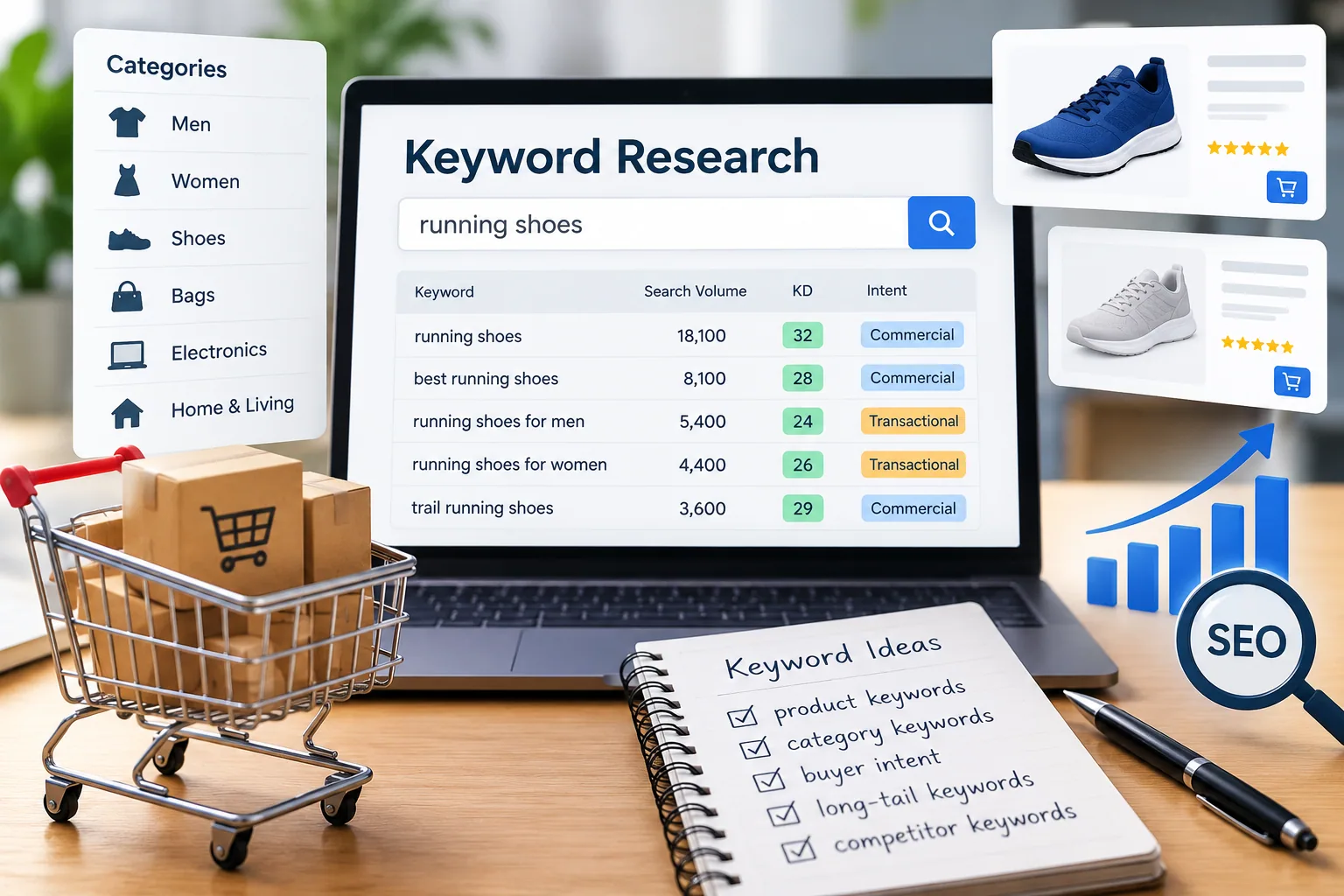
Absolutely. Targeting the right keywords, especially low-competition and long-tail ones, ensures your content aligns with search intent and increases its chances of ranking, even without backlinks.
4. How can I track my SEO progress without relying on backlinks?
Tools like Google Search Console allow you to monitor search performance, keyword rankings, and Core Web Vitals. These metrics help you evaluate and refine your SEO efforts.
5. What role does user experience play in ranking without backlinks?
User experience factors like page speed, mobile-friendliness, and intuitive navigation directly impact engagement metrics like dwell time and bounce rate, which search engines use to assess content quality and relevance.
6. Can social media drive SEO rankings without backlinks?
While social media doesn’t directly affect rankings, it can generate referral traffic and increase brand visibility. These signals indirectly boost SEO performance by improving user engagement metrics.
7. What is the best content strategy for ranking without backlinks?
Focus on creating evergreen, high-quality content that addresses user needs comprehensively. Incorporate visuals like videos or infographics and optimize for semantic search to maximize relevance.
8. Does local SEO work without backlinks?
Yes, local SEO is highly effective without backlinks. Optimizing your Google My Business profile, gathering customer reviews, and maintaining consistent local citations can significantly improve rankings in localized search results.
9. How do Core Web Vitals impact SEO rankings without backlinks?
Core Web Vitals measure page speed, interactivity, and visual stability, all of which affect user experience. Optimizing for these metrics can improve rankings even without external links, as they are part of Google’s ranking factors.
10. What are the risks of focusing on rankings without backlinks?
While ranking without backlinks is possible, it may limit your competitive edge in highly saturated markets. Balancing your efforts with eventual backlink acquisition or natural link earning is advisable for long-term success.
For further insights and a personalized strategy, explore our services.