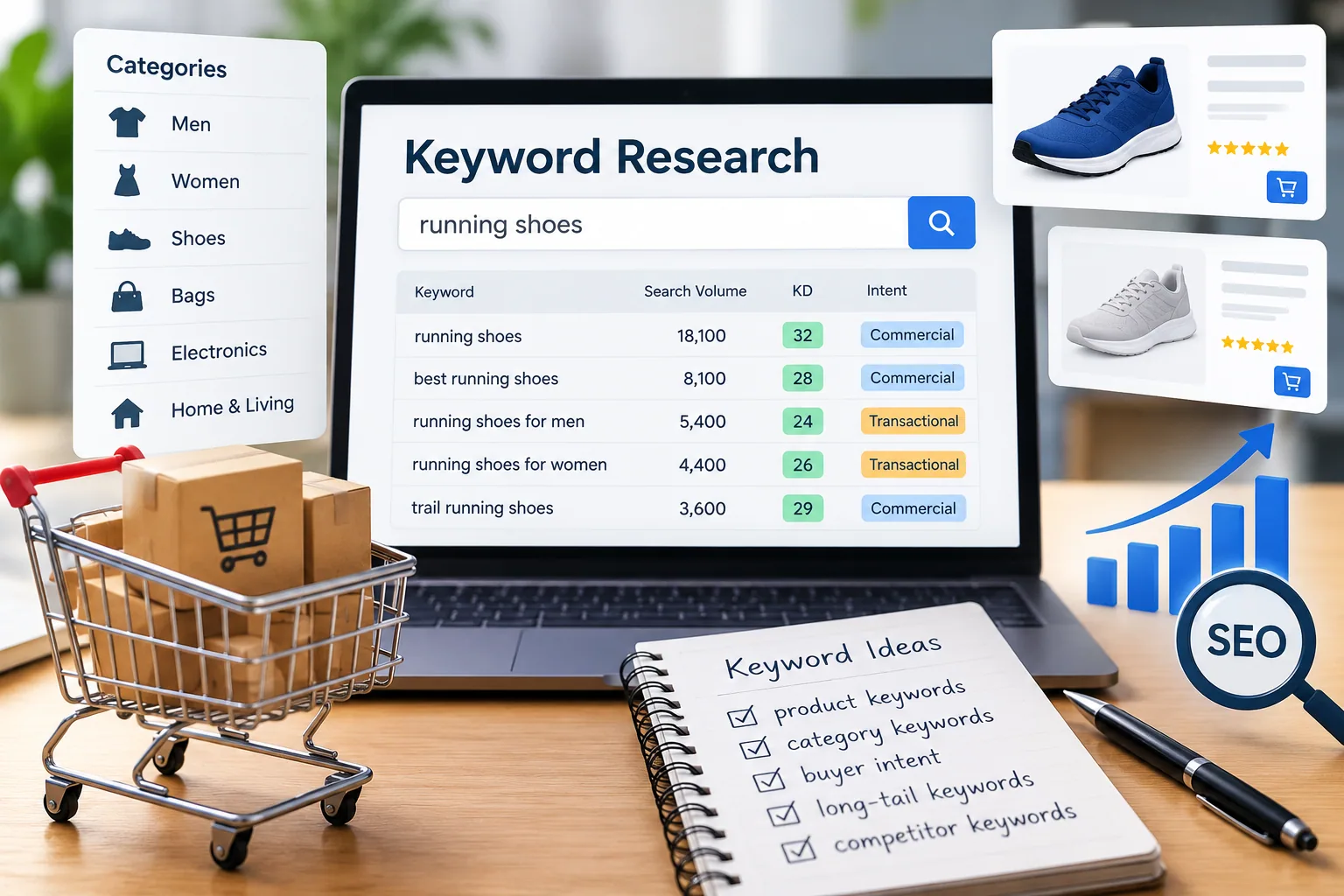
How Do I Increase Quality Backlinks In SEO?
Quality backlinks remain a cornerstone of successful SEO strategies, acting as digital endorsements that enhance search visibility. In this article, we explore practical, effective methods to boost your website’s backlink profile. From leveraging content marketing to mastering techniques like the skyscraper method, you'll discover actionable insights to solidify your online presence. Whether you're new to SEO or a seasoned pro, this guide will help you identify valuable strategies, avoid common pitfalls, and create lasting relationships with authority websites.
Understanding the Value of Quality Backlinks
Backlinks serve as votes of confidence from one website to another, signaling to search engines that your content is trustworthy and valuable. The better the quality and relevance of your backlinks, the more authority your site gains. Aiming for high-quality backlinks ensures that your efforts translate into improved rankings, better visibility, and a stronger digital footprint.
Tip: Avoid over-reliance on quantity. Focus instead on the quality and relevance of each link to maintain credibility and enhance your domain authority.
What Makes a Backlink “High Quality”?
Not all backlinks are created equal. Here’s what sets the best apart:
- Relevance: Links from websites in your industry or niche are more impactful.
- Authority: Securing backlinks from high-authority domains boosts your credibility.
- Dofollow Links: Unlike nofollow links, these pass on link equity, helping your SEO efforts directly.
- Diversity: A varied backlink profile, incorporating blogs, directories, and media outlets, is a hallmark of strong SEO.
Effective Strategies to Build Quality Backlinks
1. Create Exceptional Content
The foundation of any effective backlink strategy is content marketing. Developing engaging, informative, and shareable content serves as your best linkable asset. Whether it’s blog posts, infographics, or in-depth guides, ensure your content solves problems for your audience.
- Actionable Tip: Explore the free SEO audit to identify opportunities to create more targeted, link-worthy content.
2. Leverage the Skyscraper Technique
The skyscraper technique involves finding high-performing content in your niche, improving upon it, and promoting your updated version to attract backlinks. This method is highly effective in outranking competitors while building your authority in the industry.
- Identify popular content through tools like Ahrefs or SEMrush.
- Create a more comprehensive, updated version.
- Reach out to websites linking to the original content and pitch your improved version.
3. Optimize for Internal Linking
Don’t overlook the power of internal links. Strategically linking between your own pages helps distribute link equity and enhances user experience.
- Example: Direct users from your blog posts to related service pages like Ecommerce Marketing Services to maintain traffic flow.
4. Guest Blogging for Outreach
Writing for established blogs within your niche is a tried-and-true method of gaining editorial links. Guest posts let you showcase your expertise while securing valuable backlinks.
Pro Tip: Prioritize blogs with high domain authority for maximum SEO impact.
The Role of Tools in Backlink Management
Effective SEO requires constant monitoring and refinement. SEO monitoring tools simplify the process of tracking backlinks, evaluating their impact, and ensuring your strategy aligns with search engine guidelines.
Tools to Consider:
- Backlink Audit Tools: Uncover broken or harmful links to maintain a clean backlink profile.
- Competitive Analysis: Discover where your competitors are getting backlinks and replicate their success.
- Brand Monitoring: Track unlinked mentions and convert them into backlinks.
Explore Further: Visit Easy Ecommerce Marketing for tailored strategies to streamline your backlink efforts.
Advanced Backlink-Building Techniques
As we delve deeper into backlink strategies, it's crucial to adopt techniques that not only enhance your site's visibility but also ensure long-term value. These advanced approaches focus on creating sustainable growth, leveraging relationships, and capitalizing on high-quality resources.
5. Reclaim Lost Backlinks
Lost backlinks occur when websites that once linked to your content remove or redirect the link. Reclaiming these links can significantly restore your SEO value.
Steps to Reclaim Backlinks:
- Use tools like Ahrefs or SEMrush to identify lost links.
- Reach out to the website owner with a polite request to reinstate the link.
- Provide updated URLs or additional resources if needed.
Example: If you've updated your website structure, ensure all external links to outdated pages redirect properly to preserve SEO benefits.
6. Build Relationships with Influencers
Connecting with influencers and experts in your niche is a powerful way to generate backlinks. By engaging with their content and providing value, you can establish connections that lead to organic mentions and links.
How to Start:
- Comment on their blog posts or social media updates.
- Share their content with your audience.
- Offer collaborations, such as interviews or co-authored posts.
Note: Link-building isn’t just about the link itself but the relationships that foster mutual growth. Begin by exploring services that streamline influencer outreach.
7. Optimize Anchor Text Usage
Anchor text plays a vital role in how search engines interpret the context of your backlinks. Over-optimization, however, can trigger penalties.
Best Practices for Anchor Text:
- Use natural, varied text that reflects the linked content.
- Avoid excessive use of exact-match keywords.
- Incorporate branded terms or generic phrases like “click here” where relevant.
Proper anchor text ensures your backlinks contribute to a well-rounded and authentic link profile.
8. Use Resource Pages
Many websites feature resource pages—curated lists of links to helpful content. These pages are goldmines for backlinks if your content aligns with their audience's needs.
How to Secure Resource Page Links:
- Identify relevant pages using search operators like
intitle:resourcesorinurl:resources. - Contact the site owner with a suggestion to include your content, highlighting its value.
- Ensure your content is detailed and highly relevant to their topic.
Avoiding Common Backlink Pitfalls
While building backlinks is crucial, avoiding harmful practices is equally important. Focusing on ethical link-building ensures your efforts remain effective and sustainable.
9. Stay Clear of Spammy Backlinks
Low-quality links from irrelevant or dubious sites can harm your rankings. Regular backlink audits can help identify and disavow such links.
Tool Recommendation: Conduct regular audits with the free audit tool to maintain a clean backlink profile.
10. Understand Reciprocal Linking Risks
Reciprocal links (where two sites agree to link to each other) can raise red flags with search engines if overused. Instead, focus on earning natural links through high-quality content and outreach.
11. Engage in Content Syndication
Republishing your content on trusted platforms expands its reach and increases the likelihood of earning backlinks. Just ensure the original content is indexed first to avoid duplicate content penalties.
Examples of Syndication Platforms:
- Medium
- LinkedIn Articles
- Industry-specific blogs
Syndication works best when combined with strategic promotion and outreach to attract more views and potential links.
12. Utilize HARO (Help a Reporter Out)
HARO connects journalists with sources for their articles, offering opportunities for mentions and backlinks. By responding promptly to relevant media requests, you can secure links from reputable websites.
Quick Tips for Using HARO:
- Focus on niche-specific queries to increase relevance.
- Provide concise, expert responses that add value.
- Include your preferred link for attribution in your response.
Pro Tip: Combine HARO outreach with other PR tactics like press release backlinks to amplify your media visibility.
Building Momentum Through Consistency
The success of your link-building efforts hinges on persistence. Regularly reviewing your strategy, engaging with your audience, and staying informed about SEO trends will ensure lasting results.
Stay tuned for the final section, where we’ll discuss evergreen strategies, tools, and a roadmap to maintain your backlink success!
Long-Term Backlink Strategies for Sustainable Growth
Building a strong backlink profile requires consistent effort and a focus on evergreen strategies that continue to deliver value over time. This final section explores methods to future-proof your SEO efforts, ensuring that your links remain relevant, valuable, and effective.
13. Invest in Evergreen Content
Evergreen content is timeless, offering consistent value and remaining relevant long after it’s published. Articles like how-to guides, comprehensive tutorials, and industry insights are prime candidates for earning backlinks over time.
How to Create Evergreen Content:
- Focus on topics with lasting relevance in your niche.
- Regularly update the content to keep it current and accurate.
- Include unique data, case studies, or actionable advice to make it a go-to resource.
Example: Use your services page as a base for creating long-form, evergreen articles that explain your expertise in-depth.
14. Incorporate Data-Driven Content
Data-backed insights and original research are highly shareable and often cited by other websites, generating backlinks naturally. Whether it's an infographic, a detailed report, or survey findings, data-driven content positions you as an authority in your field.
Tips for Success:
- Use clear visuals like charts or infographics to make data more engaging.
- Share your findings widely, targeting blogs, news outlets, and resource pages.
- Cite reputable sources to enhance credibility.
15. Use Social Bookmarking and Content Promotion
Promoting your content on social bookmarking platforms increases its visibility, improving the chances of earning backlinks. Websites like Reddit, Digg, and StumbleUpon allow you to share high-quality content directly with a targeted audience.
Important: Avoid spamming these platforms; instead, focus on providing genuine value to their communities.
16. Collaborate on Content Creation
Collaborative content creation with industry peers can unlock new audiences and generate backlinks. Joint projects, such as co-authored articles, webinars, or podcasts, are effective for networking and link building.
Benefits of Collaboration:
- Both parties share the content, doubling exposure.
- Builds relationships that can lead to future backlink opportunities.
- Provides unique perspectives that enrich the content.
17. Monitor and Adjust with SEO Tools
Regularly analyzing your backlink profile with SEO monitoring tools ensures you stay ahead of any potential issues. Tools like Ahrefs, SEMrush, and Moz provide insights into:
- The quality and diversity of your backlinks.
- Identifying spammy links to disavow.
- Tracking new opportunities for link building.
Recommended Action:
Perform a routine checkup with a free SEO audit to identify weak spots in your strategy and improve performance.
18. Build Community Trust with User-Generated Content Links
Encourage your audience to create content that naturally links back to your site. Reviews, testimonials, and social media shares are effective user-generated content types that can organically increase backlinks.
Tip: Run contests or challenges to incentivize users to share their experiences with your brand, creating natural backlink opportunities.
19. Maximize Value from Existing Relationships
Your existing partnerships, such as suppliers, clients, or affiliates, can be an excellent source of backlinks. Consider requesting mentions in their directories, resource pages, or blog posts.
Examples:
- Request a mention in a "Trusted Partners" section of their website.
- Offer to write a testimonial in exchange for a link.
20. Engage in Strategic Outreach Campaigns
Backlink success often lies in how effectively you communicate with potential link partners. Outreach emails should be clear, concise, and tailored to the recipient.
Effective Outreach Structure:
- Subject Line: Highlight a unique benefit of your content.
- Introduction: Personalize your greeting and show familiarity with their site.
- Value Proposition: Explain how your content adds value to their audience.
- Call to Action: Politely request a link or mention.
Final Thoughts: A Holistic Approach to Backlink Building
The key to increasing quality backlinks is adopting a balanced approach that blends creativity, persistence, and technical expertise. By combining advanced techniques with a focus on long-term value, you can cultivate a backlink profile that boosts your SEO performance and establishes your brand as a trusted authority.
Take the Next Step: Visit Easy Ecommerce Marketing to explore professional solutions tailored to your SEO needs.
FAQ: Common Questions About Increasing Quality Backlinks in SEO
1. What are the differences between backlinks and internal links?
Backlinks are links from one website to another, while internal links are links that connect different pages within the same website. Both are essential for SEO, but backlinks carry more weight in establishing domain authority and external credibility.
2. Can I buy backlinks to improve my SEO?
Purchasing backlinks is against Google’s guidelines and can result in severe penalties, including deindexing your site. Instead, focus on earning organic backlinks through high-quality content and ethical link-building strategies.
3. How do I measure the quality of a backlink?
A high-quality backlink typically comes from:
- A website with high domain authority.
- A site relevant to your niche.
- A dofollow link that passes SEO equity. Use tools like Ahrefs, SEMrush, or Moz to evaluate backlink quality.
4. Is it okay to use automated tools to build backlinks?
Automated tools for backlink building often result in spammy or low-quality links, which can harm your rankings. Manual, relationship-driven outreach and content marketing are much safer and more effective.
5. What is the best way to get backlinks from .edu or .gov sites?
To earn backlinks from authoritative domains like .edu or .gov:
- Offer valuable resources or data tailored to their audience.
- Participate in scholarship programs or educational collaborations.
- Provide expert opinions for academic or government initiatives.
6. How do backlinks help improve local SEO?
Backlinks from local directories, news outlets, and businesses signal relevance to a specific geographic location. This can boost your local search rankings and help your business appear in local pack results.
7. Are backlinks from social media useful for SEO?
While most social media backlinks are nofollow and don’t pass direct SEO equity, they still drive traffic, increase brand visibility, and can lead to additional organic backlinks.
8. How many backlinks does my site need to rank higher in search engines?
There is no fixed number of backlinks required to rank. The quality, relevance, and authority of the backlinks are far more critical than the sheer volume. Your competition and niche will also influence how many backlinks you need.
9. Can guest blogging still help with SEO in 2024?
Yes, guest blogging remains a valuable strategy if done correctly. Focus on contributing high-quality, original content to reputable sites in your industry, avoiding spammy or low-authority platforms.
10. How do I protect my site from harmful backlinks?
Use tools like Google Search Console to monitor your backlink profile regularly. Identify and disavow spammy or toxic links that could harm your rankings. Maintaining a clean backlink profile is critical for sustaining SEO performance.