How Do I Learn SEO?
SEO, or Search Engine Optimization, is the backbone of online visibility. This article demystifies the world of SEO by exploring its core concepts, including on-page, off-page, and technical SEO. Learn how to conduct keyword research, optimize for organic traffic, and enhance user experience with proven strategies. Whether you’re a business owner, marketer, or curious learner, this guide provides actionable steps to improve rankings, generate backlinks, and create engaging content—all while staying aligned with search engine algorithms. By the end of this article, you’ll have the tools to kickstart your SEO journey confidently.
What is SEO, and Why Does It Matter?
At its core, Search Engine Optimization (SEO) is the process of improving a website’s visibility on Search Engine Results Pages (SERPs). When done correctly, SEO brings organic traffic—users who discover your site naturally through search engines rather than paid ads. The beauty of SEO lies in its long-term potential to drive consistent and valuable traffic to your website.
Whether you’re selling products, offering services, or creating a blog, mastering SEO means mastering how to connect with your audience when they’re actively searching for solutions.
The Fundamentals of Learning SEO
1. Understand the Three Pillars of SEO
SEO can be categorized into three main types, each addressing a unique aspect of website optimization:
- On-Page SEO: This focuses on the content and structure of your webpages. It includes optimizing title tags, meta descriptions, headers, and ensuring the proper use of alt text for images.
- Off-Page SEO: This involves actions taken outside your website to build authority, such as link building and generating backlinks from high-quality sources.
- Technical SEO: The behind-the-scenes optimizations ensure your site is crawlable and indexable by search engine crawlers. Key elements include improving page speed, implementing an XML sitemap, and adhering to Core Web Vitals.
For a hands-on approach to evaluating your website's SEO readiness, consider using a free SEO audit to identify immediate opportunities for improvement.
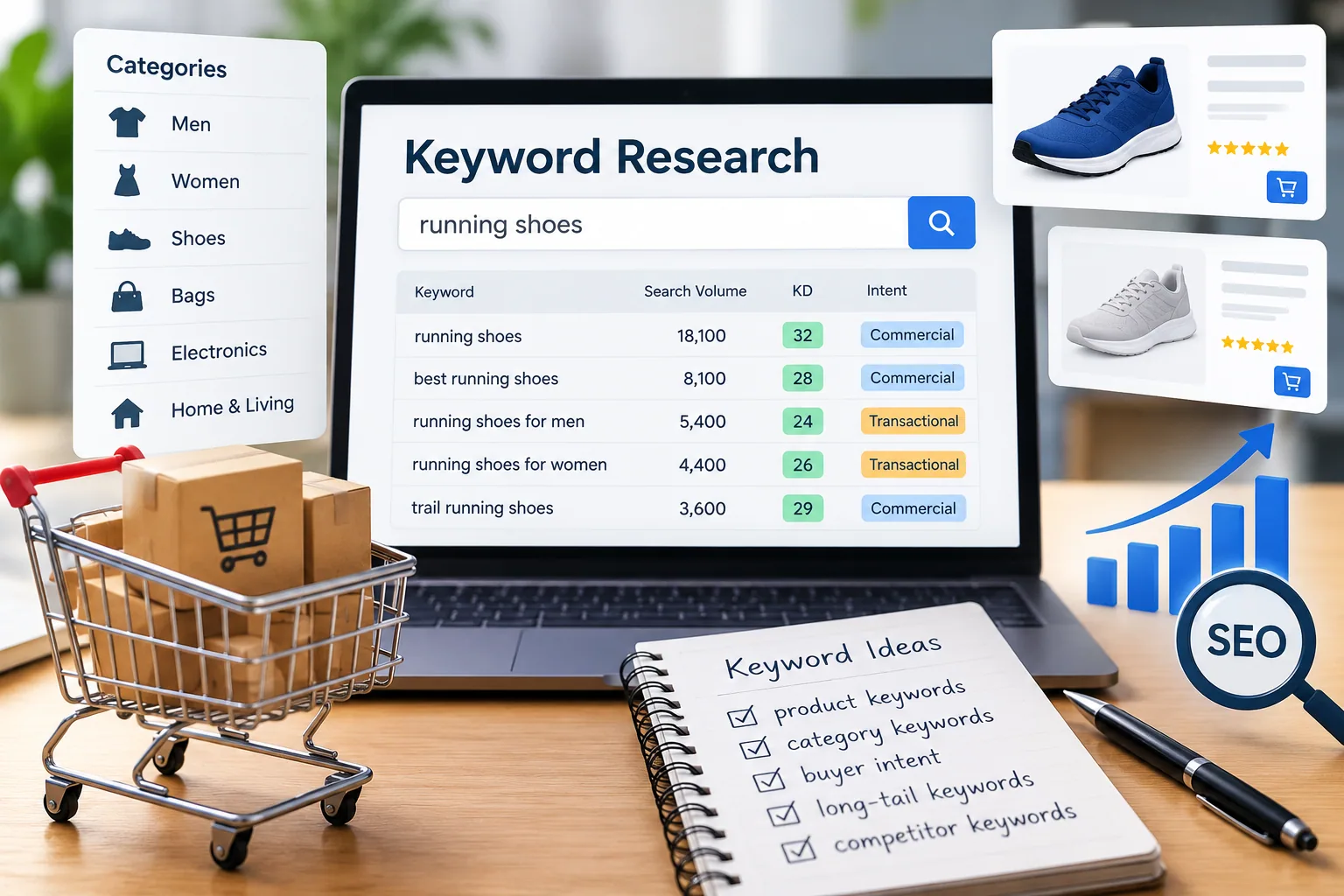
2. Start with Keyword Research
Keywords are the foundation of any successful SEO strategy. Effective keyword research involves identifying the terms your audience is searching for and optimizing your content to align with their search intent.
- Tools to Use: Platforms like Ahrefs, Semrush, or Mangools can help uncover high-value long-tail keywords and assess their keyword difficulty.
- Actionable Tip: Focus on keywords with moderate competition and high relevance to your niche.
3. Develop a Content Strategy
Creating high-quality content is non-negotiable in modern SEO. A well-thought-out strategy includes:
- Pillar Content: Comprehensive guides that address broad topics in-depth.
- Cluster Content: Supporting articles that delve into subtopics and interlink with your pillar content, enhancing your website architecture and internal linking.
When planning your content, consider factors like content freshness and E-E-A-T (Experience, Expertise, Authoritativeness, Trustworthiness) to ensure your pages stay competitive over time.
“Content marketing and SEO go hand-in-hand. To rank well, your content must not only answer user queries but also be engaging and well-structured.” – Easy E-commerce Marketing Team
Essential Tools and Techniques for SEO Mastery
SEO Tools to Simplify Your Journey
Modern SEO would be nearly impossible without tools that provide insights and recommendations. Some of the must-have tools include:
- Google Analytics and Google Search Console: These free tools help monitor your site’s performance, including traffic patterns and crawling and indexing issues.
- Ahrefs or Semrush: Ideal for competitive analysis and identifying new keyword opportunities.
- Page Speed Insights: Ensures your site loads quickly, meeting both user expectations and Google’s ranking criteria.
To learn more about optimizing your site’s technical SEO, explore our SEO services, which offer expert solutions tailored to your goals.
Mastering Backlinks and Link Building
Backlinks remain a critical SEO ranking factor, as they signal to search engines that your website is authoritative and trustworthy. However, quality matters more than quantity.
How to Build Quality Backlinks
- Guest Blogging: Write articles for reputable websites in your niche and include a link back to your site.
- Broken Link Building: Identify broken links on high-authority websites and suggest replacing them with links to your content.
- Resource Pages: Reach out to websites that maintain resource lists and ask them to include your relevant content.
“Backlinks are like votes of confidence for your website. Focus on earning links naturally by providing value through your content.” – Easy E-commerce Marketing Team
For businesses aiming to boost their backlink strategy, our SEO services include targeted link-building campaigns.
Optimizing Technical SEO
Technical SEO ensures that your website is well-structured and easy for search engine crawlers to navigate. Here’s what to prioritize:
1. Page Speed
Fast-loading pages improve user experience and help meet Core Web Vitals requirements. Tools like Google PageSpeed Insights can highlight areas for improvement, such as compressing images or enabling caching.
2. Mobile-Friendly Design
With Google’s mobile-first indexing, a responsive design is non-negotiable. Test your site’s mobile usability with Google’s Mobile-Friendly Test tool and ensure all features work seamlessly on smaller screens.
3. Structured Data
Implementing structured data helps search engines understand your content better. It can also make your site eligible for rich results like featured snippets, which increase visibility on SERPs.
Enhancing User Experience (UX)
Google places significant weight on user experience (UX) when determining rankings. Here are a few ways to improve UX on your site:
- Intuitive Navigation: Ensure users can find what they need within three clicks.
- Internal Linking: Use internal links to guide visitors to related content, keeping them engaged longer.
- Readable Content: Break up text with headers, lists, and images to make your pages easier to digest.
For example, linking a product page to a related blog post can create a seamless journey for users while reinforcing your site’s structure.
Monitoring Performance with Analytics Tools
To understand how your efforts are impacting your website’s performance, use analytics tools to track key metrics.
Key Metrics to Monitor:
- Organic Traffic: The number of visitors arriving through search engines.
- Bounce Rate: The percentage of visitors who leave without interacting with your site.
- Keyword Rankings: Monitor how your target keywords perform over time.
- Conversion Rate: Measure how many visitors take desired actions, such as making a purchase.
Recommended Tools:
- Google Analytics: Track traffic and user behavior.
- Google Search Console: Identify and fix issues related to crawling and indexing.
- SEMrush or Ahrefs: Analyze keyword performance and competitor strategies.
Need help making sense of your analytics data? Try our free SEO audit to get a detailed performance report.
Advanced Strategies for Local SEO
If your business serves a local audience, Local SEO should be a priority. Here’s how to enhance your local presence:
- Google Business Profile: Create and optimize your listing with accurate business details.
- Local Keywords: Include geo-specific terms in your content, such as “best coffee shop in Seattle.”
- NAP Consistency: Ensure your Name, Address, and Phone number are consistent across all platforms.
- Customer Reviews: Encourage satisfied customers to leave reviews on Google and other relevant platforms.
The Role of Content Freshness in SEO
Search engines favor websites that keep their content up-to-date. Regularly refreshing your pages ensures they remain relevant and competitive.
Tips for Maintaining Content Freshness:
- Update Statistics and Examples: Replace outdated data with current information.
- Expand Existing Content: Add new sections to existing posts to address emerging trends or user questions.
- Republish Evergreen Content: Bring high-performing pages back into the spotlight by updating and republishing them.
Stay Ahead with SEO Certifications and Courses
For those committed to mastering SEO, consider enrolling in SEO certifications or courses. These resources provide structured learning and keep you updated on the latest SEO trends.
Some recommended courses include:
- Google’s SEO Fundamentals
- HubSpot’s SEO Certification Course
- SEMrush Academy
Building Your SEO Strategy: A Step-by-Step Guide
A successful SEO campaign begins with a clear plan that aligns with your goals. Here’s how to build your strategy:
1. Define Your Goals
Your goals should be specific, measurable, and achievable. Examples include:
- Increasing organic traffic by 20% in six months.
- Ranking on the first page for specific long-tail keywords.
- Boosting conversions through improved user experience.
2. Conduct Competitor Analysis
Understanding what your competitors are doing can reveal opportunities for your strategy. Use tools like SEMrush or Ahrefs to:
- Identify high-performing keywords they rank for.
- Analyze their backlink profile for potential link-building opportunities.
- Study their website architecture for insights on improving your own.
Pro Tip: Look for content gaps—topics your competitors haven’t covered that your audience is searching for. This can give you an edge in creating unique and valuable content.
3. Plan Your Content Strategy
Use the principles of pillar content and cluster content to organize your website’s content around key topics. This not only helps with SEO but also improves navigation for users.
- Pillar Content: Comprehensive guides targeting broad topics.
- Cluster Content: Supporting articles that link back to the pillar, covering subtopics in detail.
Leveraging SEO Tools for Maximum Impact
Investing in the right tools is crucial for maintaining an efficient and data-driven SEO process.
Recommended Tools:
- SEMrush or Ahrefs: For keyword research, competitor analysis, and tracking rankings.
- Google Search Console: To monitor crawling and indexing issues and improve visibility.
- Mangools: For easy-to-understand keyword insights and performance metrics.
- Screaming Frog SEO Spider: For in-depth technical SEO audits.
- Yoast SEO: A WordPress plugin that simplifies on-page SEO optimization.
Using tools strategically ensures you’re always operating with accurate and actionable data. If you’re unsure where to begin, consider starting with our free SEO audit to identify immediate areas for improvement.
Monitoring and Refining Your SEO Efforts
SEO is not a one-time task; it’s an ongoing process. Regularly monitoring your efforts helps you adapt to changes in search engine algorithms and user behavior.
Key Areas to Monitor:
- Keyword Rankings: Check if your target keywords are climbing in SERPs.
- Traffic Sources: Analyze how much of your traffic comes from organic search.
- Conversion Rates: Evaluate the impact of SEO on your business goals.
- Backlink Quality: Ensure your site maintains a healthy backlink profile with no spammy links.
Use SEO performance monitoring tools like Google Analytics and Ahrefs to track these metrics and refine your strategy as needed.
Preparing for the Future: Staying Ahead of SEO Trends
The SEO landscape is constantly evolving. Staying informed about emerging trends ensures your strategy remains effective.
Key Trends to Watch:
- Voice Search Optimization: With more users relying on voice assistants, targeting conversational queries is becoming essential.
- AI-Driven Search: AI technologies like Google’s RankBrain are changing how search engines understand and rank content.
- Core Web Vitals: As Google emphasizes user experience, metrics like page speed and interactivity will continue to impact rankings.
- Featured Snippets: Aim to provide concise, structured answers to rank in position zero.
“SEO success comes from anticipating changes, not reacting to them. Stay proactive by following industry blogs and experimenting with new techniques.” – Easy E-commerce Marketing Team
Common SEO Myths to Avoid
As you refine your strategy, it’s important to separate fact from fiction. Here are some common myths debunked:
- “SEO is a one-time task.”
SEO requires continuous effort and adaptation to remain effective. - “More keywords = better rankings.”
Keyword stuffing harms rankings. Focus on keyword intent and user experience. - “Backlinks are all that matter.”
While important, content quality and technical SEO are equally critical.
Conclusion: Your Path to SEO Success
Congratulations! You now have a comprehensive understanding of how to learn and implement SEO effectively. By focusing on core principles like content optimization, technical SEO, and link building, you’ll be well on your way to achieving measurable results.
If you’re ready to take your SEO to the next level, explore our expert SEO services tailored to your unique needs. Whether it’s a detailed audit, strategic guidance, or full-service support, we’re here to help you succeed.
Take the first step today by visiting Easy E-commerce Marketing!
FAQ: Common Questions About Learning SEO
1. How long does it take to learn SEO?
Learning the basics of SEO can take a few weeks, but mastering advanced techniques and staying updated with trends requires ongoing practice and study. You’ll see meaningful results within months of consistent effort.
2. Do I need to know coding to learn SEO?
No, coding knowledge is not mandatory to learn SEO. However, understanding basic HTML, CSS, and JavaScript can help with tasks like optimizing meta tags, fixing technical issues, and implementing structured data.
3. What’s the difference between organic and paid search?
Organic search refers to unpaid results that appear on search engines due to effective SEO practices. Paid search involves advertisements where businesses bid to appear at the top of search results for specific keywords.
4. Can I learn SEO for free?
Yes, there are many free resources available, such as Google’s SEO Starter Guide, HubSpot’s SEO certification course, and online blogs like SEMrush and Search Engine Journal. Additionally, tools like Google Analytics and Search Console are free to use.
5. What are black-hat SEO techniques, and should I use them?
Black-hat SEO techniques manipulate search engine algorithms to achieve quick results, such as keyword stuffing, cloaking, and buying backlinks. These methods are against search engine guidelines and can result in penalties, so it’s best to avoid them.
6. How often should I update my website for SEO?
Regular updates are crucial to maintain relevance and improve rankings. Update content whenever new information becomes available, or plan periodic refreshes for cornerstone content to ensure it aligns with user intent and trends.
7. What is the role of social media in SEO?
While social media does not directly impact rankings, it plays a significant role in increasing visibility and driving traffic. Sharing content on social platforms can lead to backlinks and broader audience engagement.
8. What are some common mistakes beginners make when learning SEO?
- Ignoring technical SEO elements like mobile responsiveness and page speed.
- Over-optimizing content with keyword stuffing.
- Neglecting backlink quality and relying on spammy links.
- Failing to monitor performance with tools like Google Analytics.
9. What industries benefit the most from SEO?
SEO benefits virtually every industry, from e-commerce to local businesses. Companies offering niche products or services, such as small-scale online stores, often see significant ROI due to targeted organic traffic.
10. How do search engines evaluate website content?
Search engines use algorithms to evaluate factors like content relevance, quality, user experience (UX), page speed, and backlink profiles. Meeting these criteria ensures better visibility in Search Engine Results Pages (SERPs).