How Do You Make An Efficient PPC Ad Campaign?

Crafting a high-performing PPC ad campaign requires a well-structured plan—from strategic audience targeting to precise keyword research, sharp ad copy, smart bidding strategies, and performance tracking. In this article, you'll discover a detailed blueprint for running PPC campaigns that are both cost-efficient and conversion-ready. We’ll explore everything from funnel-based strategy and multichannel PPC, to AI-powered optimization, landing page relevance, and audience split testing. You’ll also find helpful links to services that can support you through each stage of PPC execution.
Start With a Strategic Foundation
The difference between burning budget and building a revenue engine lies in the clarity of your PPC strategy. A well-structured campaign starts with defining your campaign objective, whether that’s to drive sales, capture leads, or grow brand awareness through branded campaigns.
For maximum impact, align your efforts with a funnel-based strategy. This means crafting tailored experiences for users in different stages of the buyer journey—from awareness (informational keywords) to decision (product-driven terms). Consider integrating multichannel PPC, like combining Google Ads with Meta or YouTube for broader exposure.
“Search, since the dawn of the internet, is just three things: keywords, ads, and landing pages.” – Digital Marketing Institute
If you're unsure where to begin, a free audit of your current campaigns can be a smart way to uncover inefficiencies and opportunities for scale.
Identify and Segment the Right Audience
Before writing a single ad, take time to define your buyer persona—a data-backed snapshot of your ideal customer. Use demographic targeting and behavioral targeting to isolate user groups, then refine them with lookalike audiences or retargeting strategies. These not only extend reach but also increase relevance.
Audience targeting tactics to consider:
- Geotargeting for location-specific offers
- Device targeting to tailor mobile vs desktop messaging
- Retargeting past visitors to re-engage and convert
- User intent mapping using search query relevance
When done right, audience targeting can drastically improve your click-through rate (CTR) and lower your cost-per-click (CPC) by focusing only on users who are more likely to convert.
Choose the Right Keywords to Capture Demand
Keywords are the connectors between your audience’s intent and your offer. But not all keywords are created equal.
Start with a base of keyword research, including branded search terms, and expand it using long-tail keywords. These more specific phrases often have lower CPCs and higher CTRs—especially useful for smaller budgets.
Long-tail keyword example: Instead of “running shoes,” try “lightweight trail running shoes for women.”
To enhance efficiency, implement negative keywords to eliminate unwanted clicks from irrelevant searches. For instance, if you don’t sell discounted products, exclude terms like “cheap” or “used.”
Include varied keyword match types (broad, phrase, exact) and monitor performance over time. Campaigns targeting low-volume keywords might not drive massive traffic, but they often convert better when aligned with niche products—like this highly specific offering.
Optimize Bidding for Efficiency and ROI
PPC costs are controlled in part by your bidding strategy. Whether you're optimizing for cost-per-acquisition (CPA) or just aiming to maximize clicks, the right approach can make or break your profitability.
Popular bidding strategies include:
- Smart bidding (automated, goal-based bidding using AI)
- Manual bidding for precise control at campaign level
- CPM bidding for brand awareness campaigns
- Bid adjustments based on device, audience, or location
Not every strategy works for every business. A/B testing both manual and automated bidding strategies gives insight into which model delivers the best Return on Investment (ROI) for your products.
If you’re leveraging marketplaces, like Amazon or Etsy, your marketplace PPC performance can also benefit from thoughtful bid structures—especially when paired with accurate product availability and discount code attribution techniques.
Craft Ad Copy That Converts
Getting the click is only half the battle. The real challenge? Writing compelling ad copy that draws attention and encourages action.
Great PPC ads speak directly to your audience’s needs. They use persuasive language, emotional and urgency triggers (like “limited-time offer”), and feature a clear CTA—whether it's “Buy Now,” “Claim Your Discount,” or “Schedule a Demo.”
Key elements of high-converting PPC ads:
- Feature-benefit messaging: Focus on the outcome, not just the product
- Social proof: Highlight reviews, testimonials, or certifications
- Copy relevance: Ensure consistency between keywords, ad copy, and landing page
- Emotional triggers: Appeal to aspirations or pain points
Want to see how it's done? Review how our services integrate customer reviews into campaign messaging to increase trust and engagement.
Additionally, responsive search ads allow Google to mix and match headlines and descriptions dynamically, increasing the chance of finding the best-performing combination.
Don’t Waste Clicks—Optimize the Landing Page
You’ve paid for the click. Now it’s time to earn the conversion. That starts with a high-performing landing page.
A poor landing page experience is one of the most common reasons for low ROI. Focus on delivering a seamless post-click experience with:
- Clear, singular CTA placement
- Fast page load speed
- Message match between ad and page (ad-to-page relevance)
- Optimized mobile responsiveness
- Use of custom landing pages rather than generic category or homepages
For instance, if you’re running a campaign for “Eco-Friendly Kitchen Organizers,” don’t drop users on a general home page. Instead, direct them to a dedicated collection or product page tailored to that interest.
Also, ensure product availability is up to date. Ads driving to out-of-stock items create frustration, bounce, and wasted ad spend.
Track, Measure & Adjust for Maximum Performance
What separates successful campaigns from budget drains? Performance tracking and agility.
Your campaign should be structured with proper conversion tracking in place. Tools like GA4 (Google Analytics 4) and custom UTM parameters help identify exactly what’s working—and what’s not.
If you’re unsure whether your tracking setup is reliable, now’s a good time to request a free PPC audit.
Key metrics to monitor regularly:
- Click-through rate (CTR)
- Quality Score (Google’s measure of ad relevance)
- Cost-per-click (CPC)
- Cost-per-acquisition (CPA)
- Return on Ad Spend (ROAS)
- Bounce rate on landing pages
- Conversion rate per device or demographic
Take it a step further with marketing mix modeling to evaluate the performance of each channel over time. Consider cookie-less tracking methods and discount code attribution if you're preparing for the evolving data privacy landscape.
Embrace Automation Without Losing Control
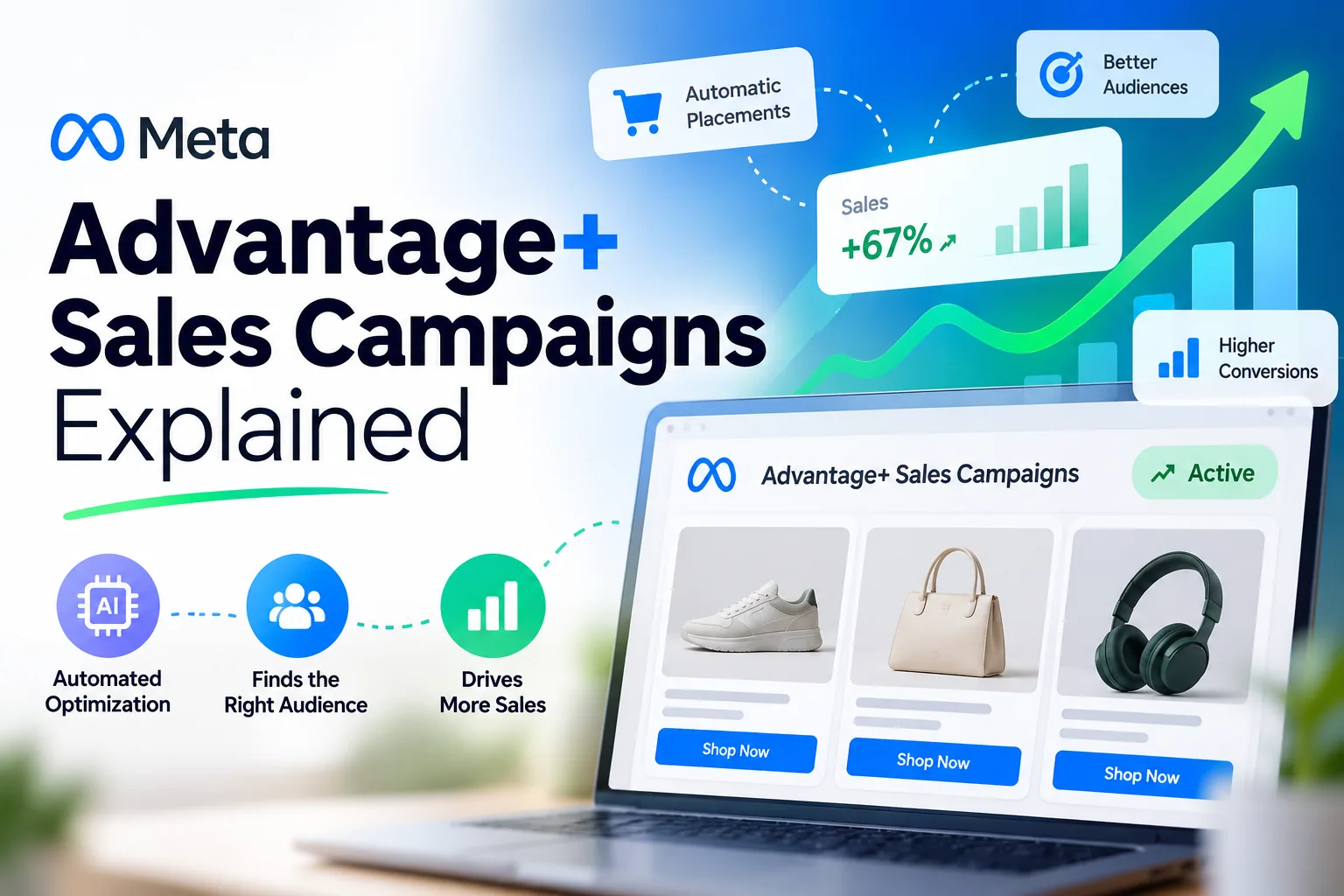
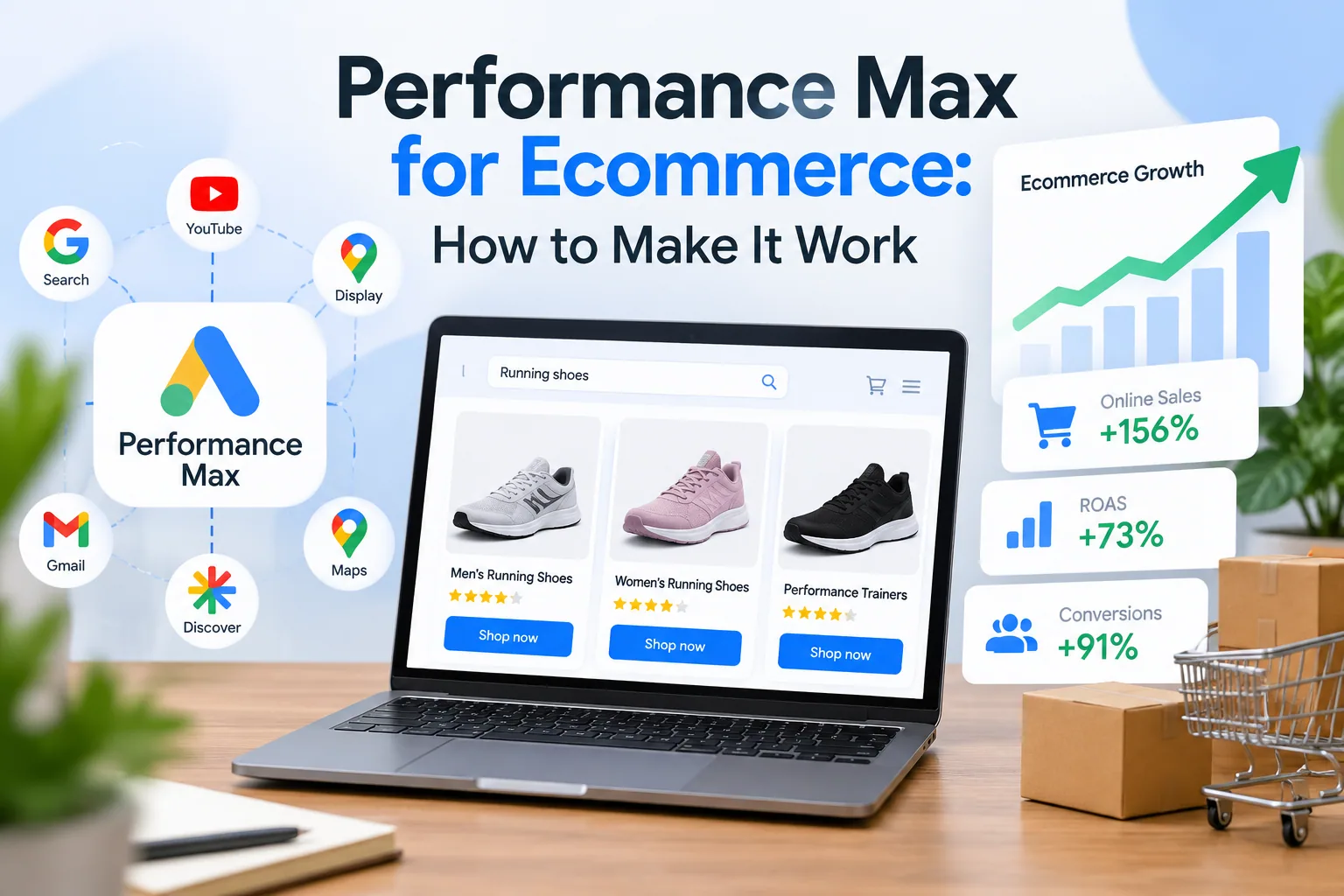
Modern platforms like Google and Meta offer robust AI-powered optimization tools that can streamline large campaigns. Tools such as:
- Performance Max campaigns
- Dynamic search ads
- Meta Dynamic Product Ads
- Google Demand Gen campaigns
These formats help you automate targeting, bidding, and creative testing, often using machine learning to improve performance.
However, automation isn’t magic. You still need oversight—especially during the learning phase—to ensure your ad auction results aren’t being skewed by irrelevant traffic.
Also, consider layering in real-time personalization, like retargeting users with product-specific ads based on their last visit. Automation paired with human oversight delivers scalable, cost-efficient results.
Test and Refine Your Campaign Elements
No matter how strong your initial setup, ongoing testing is what turns a good campaign into a great one.
A/B testing different aspects of your ads—copy, creatives, CTAs, and even landing pages—can reveal small changes that result in big improvements. You should also explore multivariate testing for more complex combinations and audience split tests to understand how different user segments respond.
Common elements to test include:
- Ad variations: Test headlines, descriptions, and offers
- Device-level testing: Do your ads perform better on mobile or desktop?
- Creative testing: Static image vs. video vs. carousel
- Bidding strategy testing: Manual vs. smart bidding
Make sure to test one variable at a time, and give each variant enough impressions to generate statistically meaningful results. PPC isn’t “set and forget”—it’s an evolving engine of performance optimization.
If you're juggling multiple campaigns or channels, our homepage offers additional support to streamline strategy across touchpoints.
Choose the Right Ad Formats for Your Audience
When it comes to creatives, one format doesn’t fit all. Users on different platforms respond differently to content—so experiment with:
- Video ads for storytelling and tutorials
- Carousel ads for showcasing product collections
- Static image ads with minimal text and striking visuals
- User-generated content (UGC) for authenticity and trust
- Problem-solution videos to demonstrate how your product solves a pain point
- Interactive creatives like polls or product configurators
- Shoppable ads that link directly to your product catalog
For eCommerce, ad formats that emphasize visual storytelling often perform best—especially on platforms like Instagram and YouTube where attention spans are short but visuals reign supreme.
If you're promoting a limited-time offer, discount banners can also play a powerful role in prompting clicks and urgency-based action.
Integrate and Scale With Multichannel PPC
The most efficient PPC campaigns don’t operate in silos. A multichannel PPC approach helps you diversify risk, reach more people, and generate more data for optimization.
Key platforms to consider:
- Google Ads – for search and shopping
- Meta Ads (Facebook & Instagram) – for social and remarketing
- YouTube Ads – for high-impact visual storytelling
- Microsoft Ads – to capture Bing users
- Amazon Sponsored Products – for in-market buyers
- Google Shopping – to highlight individual product listings
Each platform has its own strengths and algorithm. For example, while Google Ads are highly intent-driven, Meta excels at discovery-based targeting and lookalike audiences. By leveraging both, you create a cohesive presence at every step of the customer journey.
The secret? Make sure you're not duplicating efforts. Align your campaign objective, keyword themes, and creative strategy across platforms—and let data guide where you scale.
Final Thoughts: Efficiency is About Systems, Not Shortcuts
So, how do you make an efficient PPC ad campaign?
The truth is, there’s no single lever to pull. It’s about orchestrating multiple components—from keyword intent and budget control, to ad copy relevance and post-click experience—into a systemized, responsive ecosystem that can adapt as your audience, market, and platforms evolve.
Here’s a quick recap of what matters most:
- Define a strong PPC strategy with clear goals
- Target intentionally with audience segmentation
- Optimize with long-tail and negative keywords
- Bid smart—balance automation and manual control
- Align your ads and landing pages for seamless experience
- Track performance with reliable tools like GA4
- Let data and testing drive creative and budget decisions
- Scale across channels, keeping ROI top of mind
Need help launching or improving your PPC campaigns? Explore how we support businesses through every step with our eCommerce marketing services.
Let your ad budget work smarter—not harder.
Frequently Asked Questions (FAQ)
1. What’s the ideal budget to start a PPC campaign?
There’s no fixed amount, but many small businesses start with a test budget of $500 to $1,500 per month. The key is to start with enough to gather statistically significant data, then scale based on performance and ROI. Your budget should align with your customer acquisition cost (CAC) goals.
2. How long should I run a PPC campaign before expecting results?
Most PPC campaigns require 2 to 4 weeks for the learning phase, where platforms like Google or Meta optimize performance using data. However, meaningful performance benchmarks usually appear within the first 30–60 days, assuming your campaign has a solid structure.
3. Should I send traffic to my homepage or a specific landing page?
Always direct ad traffic to a custom landing page designed for that specific campaign. Homepages are too generic and can dilute conversion intent. Tailored landing pages improve Quality Score, reduce bounce rates, and drive higher conversions.
4. Is PPC effective for B2B companies?
Absolutely. B2B campaigns can be highly effective, especially when using LinkedIn Ads, Google Search, or retargeting for account-based marketing (ABM). However, success often depends on longer sales cycles and capturing high-quality leads rather than immediate purchases.
5. How do I know if my keywords are too broad or too narrow?
If you're attracting irrelevant clicks, your keywords are likely too broad. If impressions are low and your ads rarely trigger, they’re likely too narrow. Use tools like Google’s Keyword Planner and monitor CTR and Quality Score to find the right balance.
6. How many ad variations should I run per ad group?
Google recommends 3 to 5 ad variations per ad group. This allows enough diversity for machine learning to test and optimize, without spreading impressions too thin. Make sure each version focuses on a unique value proposition or benefit.
7. What is ad fatigue and how do I prevent it?
Ad fatigue happens when audiences see the same creative too often, leading to decreased performance. Prevent this by rotating ads regularly, using dynamic ads, and refreshing creatives every 2–4 weeks depending on your ad spend and frequency.
8. How does seasonality impact PPC performance?
Seasonality can drastically affect CPCs, competition, and conversion rates. Holidays, sales periods, and industry-specific peaks should be accounted for in your campaign scheduling, budgeting, and messaging. Use historical data to plan seasonal campaigns in advance.
9. Can I use PPC to test new products before a full launch?
Yes, PPC is an excellent tool for market validation. You can test different product names, features, and price points by directing paid traffic to landing pages or waitlists, collecting user data and gauging interest before committing to a full-scale rollout.
10. Is it worth hiring an agency or should I manage PPC in-house?
It depends on your resources and expertise. If you're new to PPC, an agency can help you avoid costly mistakes, provide strategic guidance, and manage day-to-day optimization. However, if you have a dedicated in-house team with experience, managing internally can offer more control and agility. You can always start with a free audit to get professional insights before deciding.