What Are Your Top Tips For Getting The Most Value From SEO Tools?

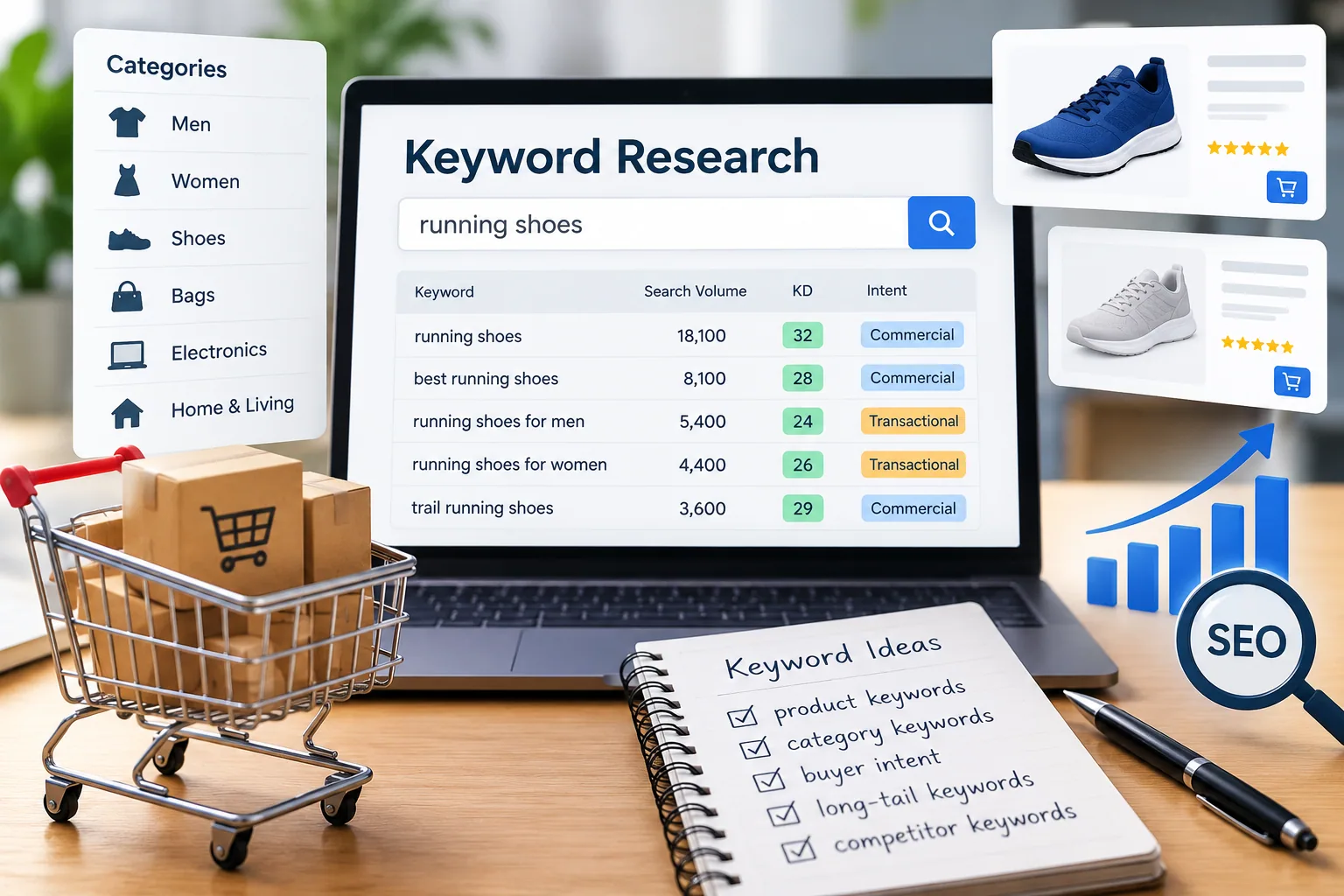
SEO tools can transform your website’s performance when used effectively. They help uncover opportunities to improve your visibility on search engines, analyze competition, and optimize content for better rankings. This article offers actionable tips on how to get the most out of SEO tools, from keyword research and metadata to technical SEO and user experience enhancements.
Whether you're an e-commerce business or a blogger, maximizing the value from SEO tools involves more than simply running audits. You'll learn how to improve website speed, optimize content, and strengthen your internal linking strategy to achieve sustainable results.
Why You Need to Maximize the Value of SEO Tools
SEO tools aren't just for finding keywords—they’re your best allies in developing a comprehensive SEO strategy. When used right, tools like Google Search Console, Ahrefs, and SEMrush can uncover insights to help improve everything from your website structure to user engagement. Here’s why these tools are critical:
- Keyword research helps you understand what your audience is searching for.
- Technical SEO audits ensure your site is crawlable and indexed correctly.
- Content optimization keeps your pages fresh and relevant to search intent.
- Link-building tools assist in boosting authority with high-quality backlinks.
1. Start with a Solid SEO Strategy
Before diving into any tool, it’s essential to map out your SEO goals. Are you looking to improve your organic traffic, reduce your bounce rate, or rank for more long-tail keywords? Answering these questions helps focus your efforts and select the right tools.
For example, if you're focused on improving your e-commerce site's performance, you might start by conducting a free audit using platforms like GoogleSearchConsole. This gives you baseline data on your site's health and performance, showing critical areas for improvement.
Once your SEO strategy is defined, ensure that you:
- Identify pillar pages to build content clusters.
- Map out meta descriptions and title tags for every page.
- Optimize your internal linking structure to improve crawlability and user navigation.
Pro Tip: An SEO tool is only as good as the strategy behind it. Use your tools to inform your strategy, not replace it.
2. Master Keyword Research and Mapping
One of the most powerful aspects of SEO tools is keyword research. Tools like Ahrefs and SEMrush help you uncover keywords with high search volume and low competition. But to maximize their value, focus on keyword mapping—assigning each keyword to a specific page on your site.
Here’s how to do it:
- Use SEO tools to find primary keywords and related terms.
- Create a keyword map that outlines where each keyword will appear on your site.
- Optimize your H1 headings, meta descriptions, and alt tags with the right keywords.
For instance, if you’re writing a product page for your store, ensure you’re using relevant keywords in the URL structure and throughout the content. This way, search engines understand what your page is about, and users can easily navigate your site.
Internal link to use: Exploreourservices to see how we help businesses optimize their SEO.
3. Optimize Content for User Experience and Search Intent
Search engines are evolving to prioritize user experience (UX) and search intent over keyword stuffing. That’s why your content needs to do more than rank—it must engage users and answer their questions effectively.
Here’s how to optimize content with SEO tools:
- Use analytics tracking tools to monitor how users interact with your content.
- Identify pages with high bounce rates and adjust content to keep users engaged longer.
- Incorporate structured data (schema markup) to improve your chances of appearing in SERP features, like Featured Snippets.
For example, adding schema markup to product pages can improve visibility in search results, making it easier for customers to find your products.
Did You Know? Pages that target voice search optimization often perform better in mobile search results due to the conversational nature of queries.
4. Technical SEO: The Backbone of Optimization
No SEO strategy is complete without addressing technical SEO issues. Tools like Screaming Frog and Google Search Console can help you identify problems like:
- 404 error fixes
- Redirect chains
- SSL encryption issues
- Mobile responsiveness
These issues can have a significant impact on your rankings. For example, ensuring your site is mobile-friendly is now essential, especially with Google’s mobile-first indexing approach. Use tools to test your Core Web Vitals, which include metrics like page load time and visual stability.
Internal link to use: Learn more about improving your site’s technical SEO by visiting EasyE-CommerceMarketing.
5. Internal Linking: Your Secret SEO Weapon
One of the most overlooked yet effective ways to get the most out of SEO tools is by mastering internal linking. Internal links help search engines understand your website’s structure, distribute link equity across pages, and improve user experience (UX) by guiding visitors to relevant content.
Here’s how to optimize your internal links using SEO tools:
- Use Google Search Console to find orphaned pages (pages without any internal links).
- Identify your pillar pages and link related content to them to create content clusters.
- Ensure that links are contextually relevant and add value to the reader.
For example, if you have a blog post about SEO auditing tools, linking it to your services page makes sense because it offers readers a practical next step. However, avoid overloading your pages with links—quality over quantity is key.
Internal link to use: Checkoutourfreeaudit to find pages on your website that need better internal linking.
Quick Tip: Use descriptive anchor text for your internal links. Instead of generic phrases like “click here,” use keyword-rich text that tells both users and search engines what the linked page is about.
6. Metadata and Schema Markup: Small Details with Big Impact
When it comes to SEO, metadata and structured data play crucial roles in how your website is displayed in search results. SEO tools like Yoast and Rank Math can help you optimize your metadata and implement schema markup to stand out in SERP features.
Optimize Your Meta Descriptions and Title Tags
Use SEO tools to ensure each page has:
- A unique title tag under 60 characters.
- A compelling meta description between 150-160 characters.
- The target keyword included in both.
Meta descriptions don’t directly impact rankings, but they can significantly improve your click-through rate (CTR). A higher CTR signals to search engines that your content is relevant, which can lead to better rankings over time.
Implement Schema Markup for Rich Snippets
Rich snippets, like product ratings or FAQs, can improve visibility and attract more clicks. Tools like Google’s Structured Data Testing Tool can help you ensure your schema markup is implemented correctly.
For example, if you sell products on your website, adding product schema can display ratings and prices directly in search results, increasing your chances of clicks.
Internal link to use: Learn more about our e-commerceSEOservices to implement structured data on your product pages.
7. Content Optimization for Long-Term SEO Success
SEO isn’t a one-time task—it’s an ongoing process. Keeping your content fresh and relevant is essential to maintaining rankings and improving user engagement.
Regularly Update Your Content
SEO tools like Ahrefs and SEMrush allow you to track your rankings and identify pages that are losing traffic. Once you find those pages, update them by:
- Adding new internal links to boost their relevance.
- Refreshing outdated content to align with current search intent.
- Including related keywords and long-tail keywords to capture additional traffic.
Content Pruning: When Less is More
Sometimes, less is more when it comes to content. Use tools to identify zombie pages—low-performing pages that don’t bring value to your site. Consider merging, improving, or deleting these pages to improve your website’s overall quality.
Did You Know? One e-commerce site increased their organic traffic by over 30% after removing thousands of zombie pages.
Internal link to use: Visit EasyE-CommerceMarketing to learn how to keep your website’s content optimized for long-term success.
8. Page Speed and Mobile Responsiveness: Core Web Vitals Matter
Google’s Core Web Vitals are essential metrics for page speed optimization and mobile responsiveness, both of which affect your rankings. SEO tools like Lighthouse and PageSpeed Insights help you diagnose and fix issues that slow down your website.
How to Improve Page Speed:
- Compress images to reduce file sizes without losing quality.
- Minimize HTTP requests by combining CSS and JavaScript files.
- Enable browser caching to load pages faster for repeat visitors.
- Use a Content Delivery Network (CDN) to reduce server load times.
Ensure Mobile-Friendly Design:
A mobile-friendly website is non-negotiable. Use tools to ensure your pages adapt seamlessly to different screen sizes. This includes:
- Responsive design that adjusts layout based on device.
- Simplifying navigation to improve mobile UX.
- Avoiding intrusive pop-ups that hurt mobile rankings.
Remember: Google’s mobile-first indexing means that the mobile version of your site is now considered the primary version for ranking purposes.
Internal link to use: Exploreourservices to see how we optimize websites for mobile-first indexing.
9. Backlinks and Competitor Analysis: Building Authority the Right Way
One of the most important ranking factors is backlinks. These are external links pointing to your website from other authoritative sites. SEO tools like Ahrefs and SEMrush can help you find backlink opportunities and analyze your competitors' link profiles. But not all backlinks are created equal—focus on quality over quantity.
Here’s how to build better backlinks:
- Find broken link opportunities on relevant websites and offer your content as a replacement.
- Leverage guest posting on authoritative sites in your niche to build your credibility.
- Reach out to industry partners to secure backlinks from trusted sources.
Competitor Analysis: Learn from the Best
Use your SEO tools to conduct a thorough competitor backlink analysis. Identify the sites linking to your competitors and assess whether you can earn similar backlinks. Look for content gaps in their strategy and fill them with your own pillar pages and long-tail keywords.
Pro Tip: Use competitor research to identify shoulder niches—topics related to your core business that attract new audiences. For instance, a store selling eco-friendly products could branch into content about sustainable living tips.
Internal link to use: Take advantage of our freeaudit to see how your website stacks up against competitors.
10. Structured Data and Rich Snippets: Stand Out in Search Results
Schema markup is a type of structured data that helps search engines better understand your content. Implementing schema can make your content eligible for rich snippets, which are eye-catching features in search results that can improve your CTR (Click-Through Rate).
For e-commerce sites, consider adding the following structured data types:
- Product schema to display prices, availability, and reviews directly in search results.
- FAQ schema to appear in Featured Snippets.
- Breadcrumb navigation schema to improve site hierarchy and user experience.
How to Implement Schema:
- Use SEO plugins like Yoast or Rank Math to add schema markup to your pages.
- Validate your structured data using Google’s Rich Results Test.
- Regularly monitor your SERP features to ensure your rich snippets are displaying correctly.
Did You Know? Pages with rich snippets have a higher chance of being featured in voice search results, which is becoming a significant traffic source.
Internal link to use: Learn more about how we implement schema markup at EasyE-CommerceMarketing.
11. Core Web Vitals and User Engagement: Signals That Matter
Core Web Vitals are essential performance metrics that Google uses to evaluate the user experience (UX) of your website. These include:
- Largest Contentful Paint (LCP): Measures loading performance.
- First Input Delay (FID): Measures interactivity.
- Cumulative Layout Shift (CLS): Measures visual stability.
Improving your Core Web Vitals can lead to higher rankings and better user retention. Use tools like Google PageSpeed Insights and Lighthouse to measure and fix issues that impact these metrics.
Improve User Engagement:
A key factor in SEO success is keeping users on your site longer. Here’s how to improve engagement:
- Use clear headings (H1, H2, H3) and bullet points to make content more readable.
- Add visuals like images, infographics, and videos to keep users interested.
- Implement breadcrumb navigation to make it easier for users to explore related pages.
Pro Tip: Reducing your bounce rate and increasing dwell time sends positive signals to Google about your site’s quality.
Internal link to use: Visit our homepage to see how we improve user engagement on e-commerce websites.
12. Content Management Systems (CMS) and SEO Plugins: Simplify Optimization
A well-optimized Content Management System (CMS) can make all the difference in your SEO efforts. Platforms like WordPress offer a wide range of SEO plugins to help streamline your optimization tasks.
Best SEO Plugins to Use:
- Yoast SEO: Great for managing meta descriptions, title tags, and schema markup.
- Rank Math: An alternative to Yoast, offering additional insights and Google Search Console integration.
- All in One SEO Pack: A comprehensive tool for handling XML sitemaps, redirects, and canonical tags.
Benefits of Using SEO Plugins:
- Automatically generate XML sitemaps to help search engines crawl your site.
- Easily implement canonical tags to avoid duplicate content issues.
- Monitor your page authority and make on-the-fly adjustments.
Did You Know? SEO plugins can also help you avoid keyword cannibalization by suggesting better keyword placements and usage.
Internal link to use: Explore how our services can help you optimize your CMS for better SEO performance.
13. Voice Search Optimization and Mobile-First Indexing
As more users rely on voice search for queries, optimizing your content for conversational keywords is becoming crucial. Voice search queries tend to be longer and more natural, so focusing on long-tail keywords can help capture this traffic.
How to Optimize for Voice Search:
- Answer common questions in your content using a natural tone.
- Use FAQ sections to target voice queries.
- Ensure your site loads quickly on mobile devices, as most voice searches happen on smartphones.
Google has also switched to mobile-first indexing, meaning that the mobile version of your website is now the primary version considered for ranking. Make sure your site is mobile-responsive and performs well on all devices.
Internal link to use: Getafreeaudit to see if your website is optimized for mobile-first indexing and voice search.
Final Thoughts
Maximizing the value of SEO tools requires more than just running reports and fixing errors. It’s about building a comprehensive SEO strategy that focuses on content optimization, technical SEO, and user engagement. By using tools to uncover opportunities and refine your approach, you can achieve long-term success in search rankings.
For ongoing SEO success, make sure you:
- Conduct regular competitor analysis.
- Optimize for Core Web Vitals and mobile responsiveness.
- Leverage structured data to enhance visibility in SERP features.
- Use SEO plugins to streamline your workflow.
Remember, SEO is a marathon, not a sprint. Stay consistent, keep your content fresh, and always be on the lookout for new opportunities to improve your website’s performance.
Internal link to use: Visit EasyE-CommerceMarketing to learn more about how we can help you optimize your site for better SEO results.
FAQ: Maximizing Value from SEO Tools
Here’s a list of the most commonly asked questions around "What are your top tips for getting the most value from SEO tools?" that weren’t covered in the main article. These FAQs address practical concerns and provide actionable advice to help you make the most of your SEO efforts.
1. How Do I Choose the Right SEO Tool for My Business?
Choosing the right SEO tool depends on your business goals. If you need a comprehensive solution, tools like Ahrefs or SEMrush provide keyword tracking, backlink analysis, and competitor insights. For smaller businesses, Yoast SEO or Google Search Console might be sufficient for optimizing content and monitoring site health.
Tip: Start with a free tool like GoogleSearchConsole to get familiar with your site's performance metrics before investing in premium solutions.
2. Should I Focus on Paid or Free SEO Tools?
Both paid and free SEO tools have their merits. Free tools like Google Analytics and Search Console provide foundational data, while paid tools offer deeper insights into competitor analysis, keyword research, and technical SEO audits. Consider your budget and the specific features you need.
3. Can SEO Tools Help with Local SEO?
Yes, many SEO tools are equipped to handle local SEO optimization. Tools like BrightLocal and Moz Local can help you manage your local listings, monitor local rankings, and optimize for Google My Business.
Quick Tip: Ensure that your business’s NAP (Name, Address, Phone) information is consistent across all local directories.
4. How Often Should I Run SEO Audits?
It’s recommended to run an SEO audit at least once a quarter. Regular audits help you catch issues like broken links, duplicate content, and 404 errors before they impact your rankings. Using tools like Screaming Frog or Sitebulb can automate this process and save time.
5. Are SEO Tools Necessary for a Small Business?
Yes, even small businesses can benefit from SEO tools. They help identify content gaps, track search intent, and ensure your website is optimized for Core Web Vitals. Tools like Rank Math or Yoast SEO integrate with WordPress, making them ideal for small businesses without technical expertise.
6. How Do I Track My SEO Progress Over Time?
You can track SEO progress using tools like Google Search Console and Google Analytics. Look at metrics such as organic traffic, bounce rate, CTR (Click-Through Rate), and keyword rankings to evaluate the effectiveness of your SEO strategy.
Pro Tip: Use SEO plugins to automate performance tracking and receive regular reports.
7. Can SEO Tools Help with Content Creation?
Yes, many SEO tools offer content optimization features. Tools like Surfer SEO and Clearscope analyze top-ranking pages for your target keywords and provide recommendations for improving your content. This includes suggestions for keyword density, word count, and content structure.
8. How Can I Use SEO Tools to Improve My Website's UX?
SEO tools can help you identify areas where your user experience (UX) needs improvement. For example, PageSpeed Insights highlights page load time issues, while Hotjar provides heatmaps showing where users are clicking on your site.
Remember: A good UX leads to better engagement, lower bounce rates, and improved rankings.
9. Do SEO Tools Help with Social Media?
While SEO tools primarily focus on search engines, some tools, like Ahrefs and SEMrush, offer insights into social media signals. These tools help track social shares, brand mentions, and how your content performs on platforms like Twitter and Facebook.
10. How Do I Avoid Common Mistakes When Using SEO Tools?
Common mistakes include relying too heavily on tools without understanding the data, chasing vanity metrics like keyword rankings without considering user engagement, and neglecting technical SEO. Always combine data from tools with manual reviews of your content and website structure to avoid these pitfalls.
Quick Tip: Take advantage of our freeaudit to get a better understanding of how well your current SEO setup is performing.