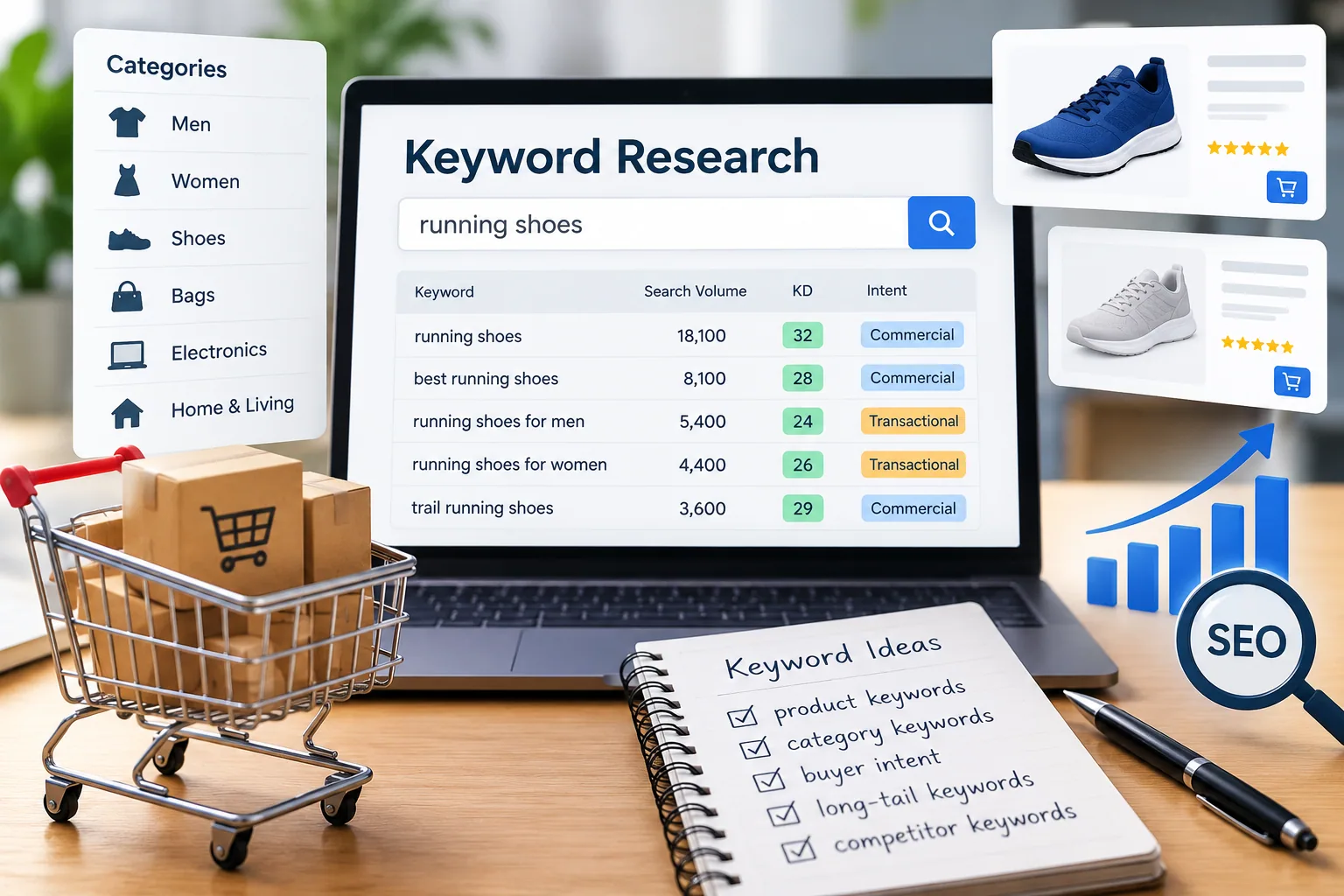
What Does SEO Mean?
Understanding search engine optimization (SEO) is essential for businesses aiming to increase online visibility, drive organic traffic, and connect with their target audience. This article explores the core components of SEO, the importance of organic search, and how technical, on-page, and off-page optimizations work together to improve a website’s ranking on search engine results pages (SERPs). Whether you're a brand-new website owner or a seasoned e-commerce marketer, mastering SEO fundamentals can directly impact your brand’s success online.
What Is SEO and Why Does It Matter?
Search engine optimization (SEO) is the practice of improving a website to enhance its visibility on search engines like Google and Bing. By optimizing various aspects of a website—such as keyword usage, page speed, and backlinks—businesses can appear higher on SERPs, which boosts organic traffic and often leads to increased conversions.
SEO isn’t limited to keywords alone. It encompasses everything from the technical aspects that make a website function smoothly to the content quality that attracts and retains users. For any business, especially in a competitive market, the question isn't just "What does SEO mean?" but also, "How can it transform my online presence?" To achieve this, a balanced SEO strategy addressing multiple ranking factors is key.
The Key Components of SEO
To understand SEO in depth, let’s break it down into its core elements, which include on-page, off-page, and technical SEO.
1. On-Page SEO: Crafting User-Centric Content
On-page SEO focuses on optimizing individual pages to make them relevant and useful to both search engines and users. It involves using relevant keywords in strategic locations, crafting informative content, and enhancing the overall user experience (UX).
- Content Optimization: Creating content that aligns with user intent is crucial. Think about the questions your audience might ask, and tailor your articles to answer them. For instance, product pages should provide clear, concise descriptions that match what potential customers might search for.
- Meta Tags: Title tags and meta descriptions are short summaries of your page's content, crucial for improving click-through rates (CTR). Make sure these meta tags include targeted keywords, giving search engines a quick idea of what the page is about.
- Internal Linking: Internal links guide users and search engines through your website. Linking to related services or free audit pages keeps users on your site longer and helps Google understand your site’s structure.
2. Off-Page SEO: Building Authority Beyond Your Site
Off-page SEO involves activities that happen outside your website but still impact its credibility and authority. This includes link building—acquiring links from other websites, which can signal to search engines that your content is trustworthy.
“Backlinks are like votes of confidence for your website. The more high-quality sites linking to you, the better your chances of ranking higher.”
- Social Signals: While not a direct ranking factor, social engagement can contribute to brand awareness and increase referral traffic. Integrating social media sharing on blog posts or product pages can indirectly benefit SEO by encouraging content sharing.
- Guest Blogging: Contributing articles to other reputable sites in your industry can establish authority, attract new audiences, and generate quality backlinks to your site.
3. Technical SEO: Laying the Foundation for Optimal Performance
Technical SEO refers to the backend improvements that help search engines crawl, index, and rank your website more effectively. It’s like building a solid foundation before decorating a house—without it, your site may struggle to perform well on search engines.
- Crawling and Indexing: Using files like
robots.txtand creating an XML sitemap helps search engines understand which pages to crawl. Ensuring these are set up properly can improve your visibility on SERPs. - Mobile Optimization: With more users accessing the web via mobile devices, Google prioritizes mobile-first indexing. This means your site should be mobile-friendly and offer a seamless user experience regardless of device type.
- Page Speed and Core Web Vitals: Slow loading times can hurt rankings and deter users. Optimizing for Core Web Vitals (focusing on loading, interactivity, and visual stability) is essential for maintaining high user satisfaction and SEO performance.
The Role of Keywords and Search Intent in SEO
Keywords remain the backbone of SEO, guiding search engines on what a page is about. However, search engines have evolved; they now prioritize search intent—understanding what users want when they search a term. Keyword research helps uncover these terms, but it’s equally essential to comprehend the context and intent behind them.
- Keyword Placement: Naturally incorporate keywords in the content, title, headers, and meta tags without overloading. Overusing keywords, or “keyword stuffing,” can lead to penalties from search engines.
- Structured Data and Schema Markup: Structured data, like schema markup, helps search engines understand your content more deeply. For example, marking up a product’s price and availability can enable rich snippets in search results, enhancing CTR and giving users valuable information at a glance.
4. Local SEO: Targeting Nearby Audiences
For businesses with a physical presence or location-specific services, local SEO is invaluable. Local SEO strategies help ensure that your business appears in location-based searches and map results, which can drive foot traffic and attract local customers.
- Google Business Profile: Setting up and optimizing your Google Business Profile allows your business to appear in Google Maps and local search results. Make sure to include relevant information like address, contact details, and business hours.
- Local Citations and Directories: Submitting your business to local directories (like Yelp or industry-specific listings) can increase your visibility and establish credibility. Consistency across these listings is crucial, as discrepancies can negatively affect rankings.
- Encourage Reviews: User reviews are a major component of local SEO. Encouraging customers to leave reviews on Google or other relevant platforms can improve your rankings and boost trustworthiness, helping you stand out in local search results.
5. Mobile Optimization and Core Web Vitals
With mobile-first indexing, Google predominantly uses the mobile version of your content for indexing and ranking. This shift means your site’s mobile performance plays a critical role in SEO success.
- Responsive Design: A responsive design ensures that your website adapts to any screen size, providing a seamless user experience on mobile devices. Mobile-friendliness is a ranking factor, and optimizing for this can enhance overall performance.
- Page Speed: Page speed is essential, as slow-loading pages often result in high bounce rates. Use tools like Google PageSpeed Insights or site audit tools to identify and fix speed-related issues, from image compression to server response times.
- Core Web Vitals: Google’s Core Web Vitals include three main metrics—Largest Contentful Paint (LCP), First Input Delay (FID), and Cumulative Layout Shift (CLS)—which assess a page’s loading speed, interactivity, and visual stability. Meeting these benchmarks enhances user experience and positively impacts SEO.
6. Voice Search Optimization
With the rise of voice-activated devices like Siri, Alexa, and Google Assistant, optimizing for voice search has become increasingly important. Voice searches tend to be longer and more conversational than typed queries, so adapting your content to match this format can be beneficial.
- Long-Tail Keywords: Voice searches are typically phrased as questions or full sentences. Targeting long-tail keywords that resemble natural language queries helps capture voice search traffic.
- FAQ Pages: Adding FAQ sections to your site or blog pages is a simple way to address common voice search queries. By structuring these as clear questions and answers, you can increase the chances of appearing in featured snippets or voice search results.
- Focus on Local Phrases: Since many voice searches are locally focused (e.g., “Where can I find a coffee shop near me?”), incorporating local terms and phrases can enhance visibility for nearby voice search users.
7. Schema Markup and Rich Snippets
Schema markup is a type of structured data that helps search engines understand the context of your content. By marking up specific elements on your pages—such as product prices, ratings, or business hours—you improve the chances of appearing in rich snippets on search results pages.
- Types of Markup: There are various schema types, such as Product, Review, and Local Business, each designed to highlight different types of information. Implementing these schema types can provide additional details directly on SERPs, making your listing stand out.
- Enhanced CTR: Rich snippets improve click-through rates by displaying relevant information upfront, often increasing user engagement. For example, a product page with schema markup for ratings and price might attract more clicks than one without.
8. Analytics and Performance Tracking
To evaluate the effectiveness of your SEO efforts, regular performance tracking is essential. Analyzing data can help you understand what’s working, where there are opportunities for improvement, and how to refine your strategy over time.
- Google Analytics: This tool provides in-depth insights into user behaviour, such as page views, session duration, and bounce rates. Analysing this data can help you identify high-performing pages and those needing optimization.
- Google Search Console: For more SEO-specific data, Google Search Console tracks metrics like click-through rate (CTR), keyword rankings, and search performance. Regularly reviewing this data allows you to monitor changes and address any indexing issues.
- Position Tracking Tools: Tools like Semrush or Ahrefs offer keyword tracking, allowing you to monitor your site’s ranking for target keywords. With position tracking, you can observe trends over time and adjust your SEO strategy based on performance.
9. Content Marketing and Blogging for SEO
Content marketing is a key component of SEO, and blogging is one of the most effective ways to drive traffic and build authority. By creating valuable, relevant content that aligns with your audience’s interests, you increase your chances of ranking for a broader range of keywords.
- Topic Clusters: Organize your content into topic clusters, with a main page covering a broad topic and supporting pages that delve into related subtopics. This structure helps search engines understand the relationships between different pages and boosts relevance.
- Use Internal and External Links: Internal links guide users through related content on your site, while external links to reputable sources add credibility. Make sure to link to high-value pages, such as your services or specific product pages.
- User-Centric Content: Always prioritize content that genuinely helps or educates users. Google rewards pages that demonstrate Expertise, Authoritativeness, and Trustworthiness (E-A-T), so focus on creating content that answers common questions and provides actionable insights.
The Value of Backlinks and Online Reputation
Backlinks, or links from external websites, signal to search engines that other sites consider your content valuable. Building a strong backlink profile can improve your domain authority and increase your chances of ranking higher on SERPs.
- High-Quality Backlinks: Not all backlinks are equal; links from reputable sites carry more weight. Prioritize quality over quantity when building backlinks, focusing on industry-relevant sites or authoritative platforms.
- Online Reputation Management: Your online reputation impacts SEO, as negative reviews or complaints can affect user perception and CTR. Monitor and respond to reviews, and address any issues raised by customers to maintain a positive online presence.
10. Artificial Intelligence (AI) in SEO
Artificial intelligence has transformed SEO, with search engines using machine learning to better understand user intent and deliver relevant results. Understanding AI's role can help you optimize your content to meet evolving algorithm demands.
- AI-Driven Search Results: Tools like Google’s RankBrain and BERT use machine learning to interpret the nuances of search queries, especially for complex or ambiguous questions. By focusing on natural language processing (NLP), Google aims to match content more closely to user intent.
- Generative Engine Optimization (GEO): With tools like ChatGPT and Google Bard, content generation has become faster. However, it’s essential to focus on quality and relevance over quantity, ensuring AI-generated content is accurate, useful, and well-optimized for SEO.
- Using AI Tools for SEO: AI-powered tools like Semrush and Ahrefs can help with keyword research, content suggestions, and site audits. Leveraging these tools enhances your ability to monitor performance, analyze competitor data, and identify content opportunities, helping you stay agile in a competitive environment.
11. Zero-Click Searches and Featured Snippets
Zero-click searches occur when users get the answers they need directly from the SERP without clicking through to a website. Optimizing for zero-click searches requires understanding SERP features and structuring content to capture these high-visibility placements.
- Featured Snippets: Featured snippets (also called position zero) provide users with quick answers. To target these, format content using clear, concise answers, bullet points, or lists. These elements help search engines quickly extract the information, increasing your chances of appearing in a snippet.
- People Also Ask (PAA): This feature is another way to capture zero-click searches. Structuring your content around frequently asked questions increases visibility within the “People Also Ask” boxes, leading users to relevant content without them needing to leave the SERP.
- Knowledge Panels: Knowledge panels appear for well-known brands or individuals, displaying information like business details or biographies. Ensuring your brand information is up-to-date, verified, and accurate across sources can increase the chances of appearing in these panels.
12. Cross-Platform SEO and Multi-Device Experience
Optimizing for search extends beyond traditional search engines. Users increasingly search across multiple platforms, including social media, video sites, and voice assistants. Cross-platform SEO ensures your content is accessible and relevant no matter where or how users search.
- Social Media Integration: Although social media shares aren’t direct ranking factors, they can enhance visibility and drive traffic to your site. Share blog posts, product pages, and service pages on social platforms to increase reach and brand awareness.
- Video SEO: Platforms like YouTube have their own search engines, making video SEO a valuable strategy. Optimizing video titles, descriptions, and tags for keywords related to your content helps you rank higher on YouTube and in Google’s video results. Include videos on your main site to improve engagement and time on page.
- Voice Search Optimization: Voice searches tend to be conversational, with users asking questions in natural language. Ensure your content addresses long-tail keywords and uses a conversational tone to align with voice search queries.
13. Security, Privacy, and User Trust
User trust is essential for SEO. Google considers factors like security and site credibility, which is why HTTPS security and privacy practices play a role in search rankings.
- HTTPS Encryption: Sites without HTTPS encryption are often flagged by browsers as “Not Secure,” which can deter users. An SSL certificate not only secures user data but also helps build trust and improve SEO.
- Privacy and Compliance: With data privacy regulations like GDPR, it’s essential to inform users about how their data is collected and used. Clear privacy policies can positively impact user trust and engagement, as well as your SEO.
- E-A-T (Expertise, Authoritativeness, Trustworthiness): Google’s E-A-T framework guides how it evaluates content quality. Sites that demonstrate high levels of expertise, authority, and trustworthiness often rank higher. Building a reputable online presence, publishing authoritative content, and securing backlinks from reputable sources all contribute to E-A-T.
14. SEO as an Ongoing Strategy: Monitor, Adapt, and Optimize
SEO is not a one-time effort; it’s an ongoing strategy that requires continuous monitoring, adapting, and optimizing based on results and evolving trends. Regular SEO audits help ensure your site remains technically sound, competitive, and aligned with the latest best practices.
- Regular Site Audits: Regularly perform audits using tools like Google Analytics or SEMrush to catch any technical issues, identify underperforming pages, and refine keyword targeting.
- Competitor Analysis: Keeping an eye on competitors provides valuable insights into effective keywords, content strategies, and backlink sources. Adapt your strategy by analysing competitors that rank well for your target keywords.
- Position Tracking: Tools like Ahrefs or Semrush allow you to monitor keyword rankings over time, helping you understand what’s working and where adjustments are needed. Tracking your rankings is vital for evaluating the impact of your SEO efforts and keeping up with market changes.
Future-Proofing SEO: Stay Agile and Informed
The SEO landscape continues to evolve as search engines refine their algorithms and user behavior shifts. Staying informed about the latest updates, such as Google’s algorithm changes, ensures your site is optimized according to current standards.
- Adapt to Algorithm Updates: Google frequently updates its algorithms, often impacting site rankings. Regularly follow trusted SEO resources to stay updated on these changes and adjust your SEO strategy accordingly.
- Experiment with New Trends: As trends like visual and voice search gain traction, experimenting with different SEO strategies can give your site a competitive edge. Optimizing images, videos, and content for these emerging trends allows you to reach new audiences and enhance visibility.
“SEO is a journey, not a destination. As technology and user behaviour change, your SEO strategy should evolve with them.”
In conclusion, an effective SEO strategy is multifaceted and dynamic, involving everything from technical optimizations and content marketing to cross-platform visibility and user trust. By continually monitoring performance, adapting to new trends, and aligning with search engine standards, you can create a robust SEO foundation that drives sustained traffic and brand growth.
For more insights and tools to elevate your SEO game, visit Easy Ecommerce Marketing and explore our comprehensive services. Ready to take your SEO to the next level? Start with a free audit today!
FAQ: Common Questions About SEO
Here are some frequently asked questions that provide additional insights into SEO and its relevance for businesses and websites.
1. How long does it take to see results from SEO?
SEO is a long-term strategy, and results are typically seen within 3 to 6 months. However, this can vary depending on the competitiveness of your industry, the keywords you’re targeting, and the quality of your SEO efforts.
2. Is SEO a one-time task or an ongoing process?
SEO is an ongoing process that requires continuous monitoring, updating, and optimization. Search engines regularly update their algorithms, and user behaviour changes over time, so maintaining SEO efforts is essential for sustained visibility and rankings.
3. What is the difference between SEO and SEM?
SEO focuses on optimizing for organic search results, while SEM (Search Engine Marketing) includes both SEO and paid search tactics, such as pay-per-click (PPC) advertising. SEM encompasses strategies to increase visibility through both organic and paid means.
4. How important is keyword research in SEO?
Keyword research is foundational to SEO. It helps identify the terms and phrases your target audience uses to find information, products, or services online. Effective keyword research allows you to align your content with user intent and target relevant search queries.
5. Can I do SEO myself, or do I need to hire a professional?
Many aspects of SEO can be done independently, especially if you’re familiar with SEO basics and have access to tools like Google Analytics and Google Search Console. However, for more advanced strategies, a professional SEO service may be beneficial to maximize results.
6. How does mobile optimization impact SEO?
Mobile optimization is crucial, as search engines like Google use mobile-first indexing, which prioritizes the mobile version of a website when determining rankings. A mobile-friendly site improves user experience and can positively impact SEO performance.
7. What are backlinks, and why are they important in SEO?
Backlinks are links from other websites that point to your site. They are important because they signal to search engines that your content is valuable and trustworthy. High-quality backlinks from authoritative sites can significantly boost your search rankings.
8. How do I measure the success of my SEO efforts?
Success in SEO is typically measured through metrics such as organic traffic, keyword rankings, conversion rates, and engagement metrics like bounce rate and time on page. Tools like Google Analytics and SEO-specific platforms can help track these metrics over time.
9. Does social media activity impact SEO?
While social media signals aren’t direct ranking factors, they can drive traffic to your website, increase content visibility, and improve brand awareness. These indirect benefits can contribute to SEO success by generating interest and engagement with your content.
10. What is “White Hat” vs. “Black Hat” SEO?
"White Hat" SEO refers to ethical, best-practice methods that align with search engine guidelines, such as high-quality content creation and ethical link-building. "Black Hat" SEO involves manipulative tactics, like keyword stuffing and buying links, which may yield short-term gains but risk penalties from search engines in the long run.