What is PPC Advertising?
This article explains how PPC advertising works, what platforms and ad types are available, and how to make paid search work for your brand. We’ll break down key concepts like Cost-Per-Click (CPC), Ad Rank, and keyword bidding. You'll learn how to build campaigns that convert, how platforms like Google Ads and Facebook Ads operate, and what metrics really matter—like CTR and ROAS. Whether you’re a founder running ads solo or a growing brand ready to scale with professional help, this guide shows you how to stop wasting ad spend and start generating profitable traffic.
Let’s Be Honest—You’re Not Here to Waste Ad Spend
In ecommerce, every click counts. But unless those clicks turn into conversions, you’re just paying for traffic that doesn’t pay you back. That’s where Pay-Per-Click advertising comes in.
At its core, PPC is a way to buy visits to your site by placing ads in front of people searching or browsing with intent. Whether they’re typing queries into Google or scrolling Instagram, PPC gives you the opportunity to show up in the right place at the right time.
But to make it work, you’ll need more than a few boosted posts or a handful of keywords. PPC is equal parts science and strategy—an auction, a puzzle, and a race for visibility all rolled into one.
How Does PPC Actually Work?
Let’s break it down.
“PPC is not a traffic faucet you just turn on. It’s a game of relevance, quality, and timing.”
When you run a PPC campaign, you bid on keywords or audience segments in hopes of getting your ad shown on a Search Engine Results Page (SERP) or within someone’s feed. You’re charged only when someone clicks, hence the name Pay-Per-Click.
But showing up is competitive.
Every time someone types a search like “best DTC skincare” or “buy eco yoga mat,” Google Ads runs an Ad Auction. This process decides:
- Which ads appear
- In what order
- At what cost
This is based on your:
- Bid amount
- Ad Quality Score (relevance, CTR, landing page experience)
- Ad Rank, which is a formula combining the two
So, even if you have the highest bid, you won’t win unless your ad is also relevant and helpful. This makes ad copy, landing page quality, and keyword alignment absolutely critical.
Why Brands Rely on PPC
Because it works—if you know how to work it.
Brands love PPC because it delivers measurable, targeted, and scalable traffic. Unlike SEO or organic social, PPC gives you instant visibility with your ideal audience.
Here’s why PPC remains a core strategy for ecommerce brands:
- Immediate traffic – New site? No problem. PPC drives clicks today.
- Targeted visibility – Show up for high-intent searches with paid search ads.
- Total control – Manage bids, budgets, locations, devices, and more.
- Flexible spend – Start small, scale when ready.
- Clear ROI tracking – Use KPIs like CTR, ROAS, and Conversion Rate to measure success.
If you’re running an ecommerce store like ours at Easy Ecommerce Marketing, PPC can bridge the gap between slow SEO gains and revenue growth today.
The Platforms That Matter (and Why)
There’s more than one place to run PPC ads. Different platforms cater to different goals, formats, and user behavior. Here's a quick overview of where your brand should consider showing up:
1. Google Ads
The most popular platform for search ads, shopping ads, and responsive search ads. If you're bidding on keywords like “buy men’s moisturizer” or “eco-friendly cookware,” Google Ads is your go-to.
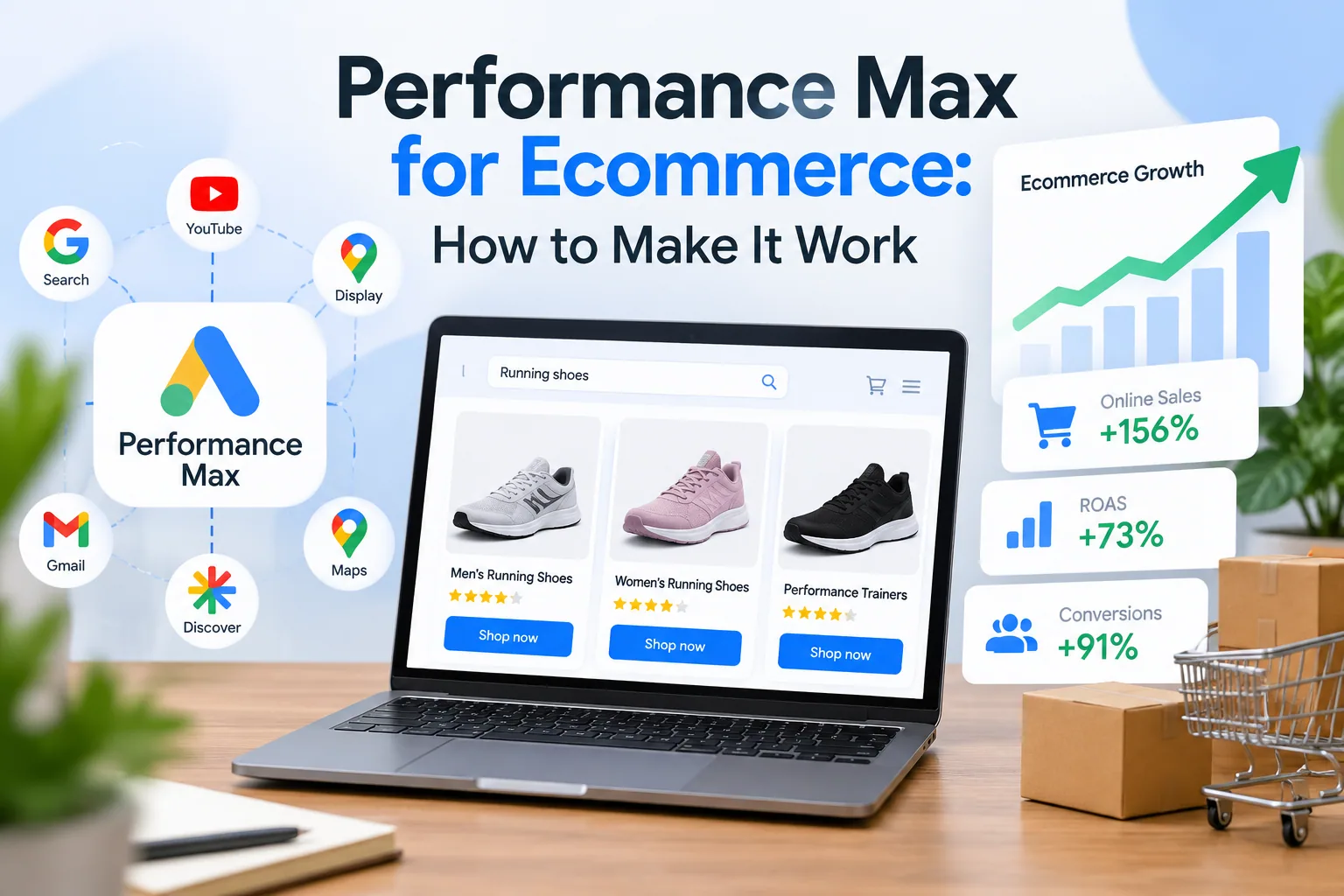
💡 Pro Tip: Google's Smart Campaigns and Performance Max can automate bidding and ad placement across search, display, and YouTube—ideal if you're testing and scaling fast.
Check out our done-for-you services if managing Google Ads feels overwhelming.
2. Facebook & Instagram Ads
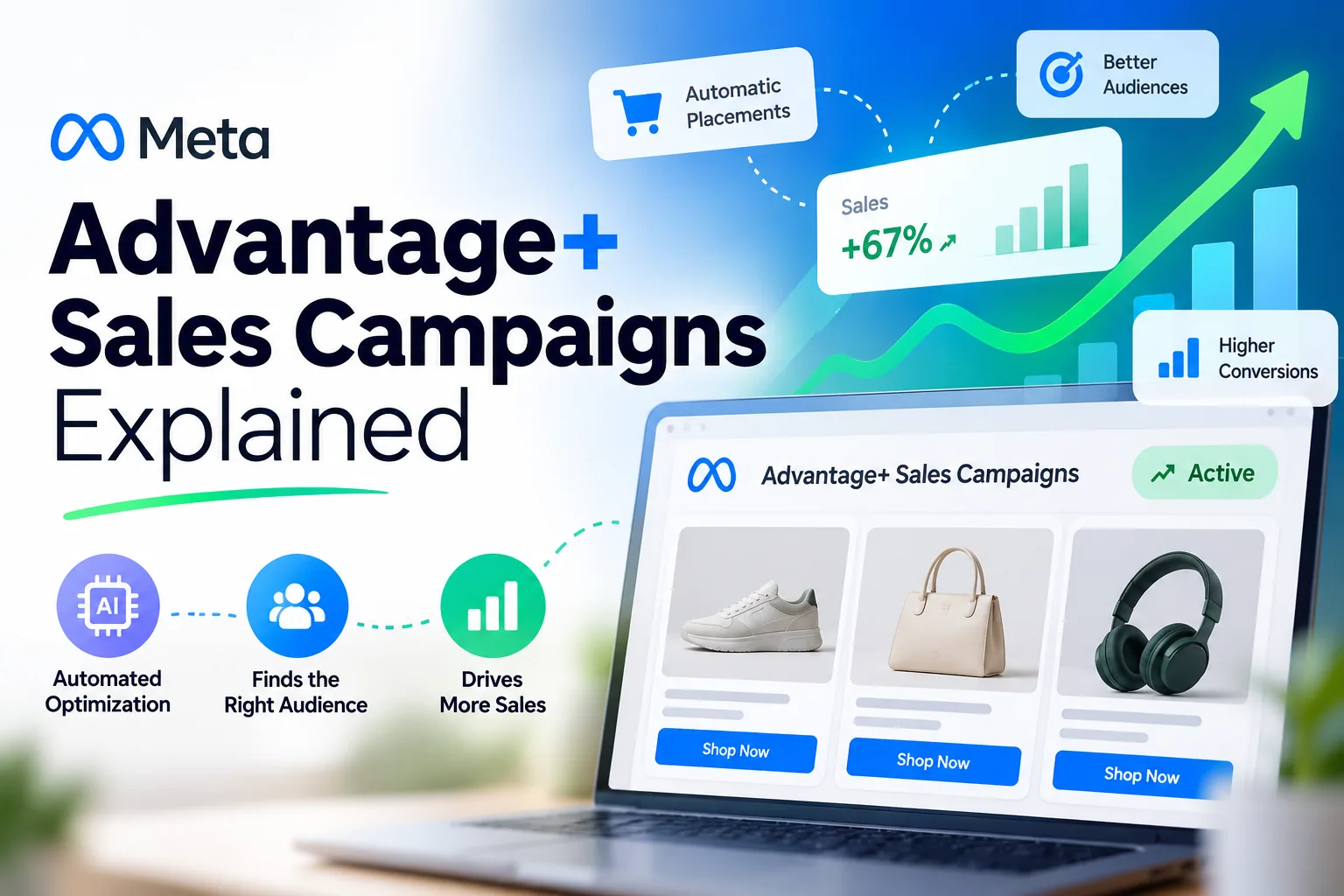
Excellent for behavioral targeting, interest-based targeting, and remarketing. You’re not waiting for someone to search—you’re inserting your brand into their scroll with highly visual display ads or video content.
Strong ad creative and a clear Call-to-Action (CTA) make or break performance here.
3. YouTube Ads
A growing platform for video ads, especially useful for product demos or storytelling formats. You pay based on Cost-Per-View (CPV) or clicks, depending on ad format.
4. Microsoft/Bing Ads
Underrated but valuable, especially if your audience skews slightly older or more corporate. CPCs tend to be lower, and competition is thinner.
5. LinkedIn & TikTok Ads
More niche, but worth considering:
- Use LinkedIn Ads for B2B or premium professional services.
- Use TikTok Ads to reach younger, mobile-first audiences with creative video content.
Ad Types You Should Know
Choosing the right ad format is as important as picking the right platform. Here's a breakdown of the most common PPC ad types:
Search Ads
Text-based ads that appear on search engine results pages (SERPs). Perfect for capturing high-intent searches.
Display Ads
Graphical banners that appear on websites, apps, or Gmail. Great for brand awareness and retargeting.
Shopping Ads
These are visual, product-focused ads that appear in Google Shopping. Shoppers can see your product, price, and reviews at a glance.
Want to get more out of your Shopping Ads? We offer a free audit to identify wasted spend and hidden opportunity.
Video Ads
These run on platforms like YouTube, TikTok, or Instagram. They’re effective for demonstrating product benefits or telling your brand story in a memorable way.
Retargeting (Remarketing) Ads
Serve ads to users who’ve already visited your site. This tactic boosts conversion rates by reminding visitors to come back and buy.
Building Campaigns That Don’t Just Burn Budget
At this point, you understand the platforms, formats, and potential. Now let’s dig into how to actually build a PPC campaign that performs—consistently and profitably.
This section covers:
- Setting goals and selecting the right keywords
- Structuring your campaigns for clarity and control
- The science behind bidding, match types, and ad rank
- Why your landing pages matter more than your ads
Let’s start with the foundation.
Start with Strategy, Not Spend
Before you write a single ad, ask: What’s the outcome I want?
PPC isn't just a traffic tool. It's a revenue engine—if you're clear about goals and targeting.
Define Your Campaign Objectives
Are you aiming for:
- Conversions (sales, signups, demo bookings)?
- Brand visibility?
- Lead generation?
Your objective informs everything—your platform, bid strategy, ad copy, and even your landing page.
"Without a clear goal, PPC becomes guesswork. With one, it becomes a lever for scalable growth."
Keyword Research Isn’t Optional
At the heart of search-based PPC is keyword selection.
You’re not just picking keywords randomly—you’re bidding on specific search terms based on:
- Relevance to your product or service
- Volume (how often people search it)
- Competition level (how many others are bidding)
Use tools like Google’s Keyword Planner, or third-party PPC automation tools like Semrush or Bidnamic, to identify high-intent, low-cost opportunities.
Want to find profitable keywords for your ecommerce store? Explore our services to see how we manage this for you.
Match Types Matter (More Than You Think)
Not all keyword targeting is equal. Google Ads offers three primary keyword match types:
- Broad Match
Shows your ad for loosely related searches. Wide reach, but often poor targeting. - Phrase Match
Matches the phrase exactly, but allows extra words before or after. - Exact Match
Shows only for searches that closely match your keyword.
For beginners, phrase match + negative keywords offers a good balance between reach and relevance.
What Are Negative Keywords?
These are terms you don’t want your ads to show up for.
Example:
If you sell premium pet food, you might exclude keywords like “cheap dog food” to avoid irrelevant clicks.
Used correctly, negative keywords help you:
- Improve Click-Through Rate (CTR)
- Lower your Cost-Per-Click (CPC)
- Increase Quality Score
And that leads us to one of the most overlooked PPC components…
Ad Rank, Quality Score & the Auction Algorithm
Here’s how Google decides where your ad shows up on the SERP (and whether it shows up at all):
Ad Rank = Max Bid × Quality Score
Your Quality Score is a number from 1 to 10 that Google assigns based on:
- CTR history (how often people click)
- Relevance (keyword–ad–landing page alignment)
- Landing Page Experience
That means better ads often win even if they bid less. Yes, relevance can beat budget.
That’s also why campaign structure matters.
Structure for Scale: Campaigns, Ad Groups, and SKAGs
A chaotic campaign is a leaky budget. Here’s how to organize PPC like a pro:
Campaign Level
Think of campaigns as buckets for each goal or product category.
Example:
- Campaign A: “Skincare – Conversions”
- Campaign B: “Brand Awareness – Display Ads”
Ad Group Level
Each campaign should contain ad groups focused on tight keyword themes.
Example:
- Ad Group 1: “Moisturizer for Dry Skin”
- Ad Group 2: “Anti-Aging Night Cream”
This structure:
- Boosts ad relevance
- Improves Quality Score
- Makes A/B testing easier
Pro Tip: Some advanced advertisers use SKAGs (Single Keyword Ad Groups) for ultimate control—but they’re harder to manage at scale.
It All Comes Down to the Landing Page
So many brands obsess over ads—and ignore where those ads send people.
A strong landing page isn’t optional. It’s the moment of truth. It should:
- Match the intent of the keyword
- Deliver on the promise of the ad
- Have one clear Call-to-Action (CTA)
- Load quickly on all devices
Whether you’re selling a digital marketing service or a physical product, your page must convert traffic into action.
Google also uses your landing page experience to determine Quality Score, so a poor one = higher CPCs and lower rankings.
Budget Management & Bid Strategy
PPC doesn’t require a huge budget—but it does require a smart one.
Start by defining:
- Daily or monthly budget
- Target CPA (Cost Per Acquisition)
- Max CPC bids
Manual vs. Automated Bidding
- Manual bidding gives you control, but requires experience.
- Automated bidding (via Google’s Smart Campaigns or Performance Max) adjusts bids in real-time based on predicted conversion likelihood.
Many ecommerce brands start manual, then gradually shift to automated strategies as data accumulates.
The Metrics That Actually Matter
Don’t chase vanity metrics. Focus on these key PPC KPIs:
- CTR (Click-Through Rate) – Measures how well your ads attract clicks
- CPC (Cost-Per-Click) – Tells you how efficiently you're buying traffic
- ROAS (Return on Ad Spend) – Revenue ÷ Ad Spend. The most important metric.
- Conversion Rate – % of clicks that take your desired action
- Impression Share – % of total possible impressions you’re capturing
You can view all of this inside platforms like Google Ads or Facebook Ads Manager—or let a PPC expert audit your account to show where you’re losing money.
Scaling Smart: From First Click to Full Funnel
Once your campaigns are structured, your targeting dialed in, and your landing pages refined, the next challenge is scale—but without sacrificing ROI.
Scaling isn’t just about increasing spend. It’s about enhancing efficiency, segmenting smarter, and aligning PPC with your entire marketing funnel.
Let’s walk through the strategic moves that separate break-even campaigns from 5x ROAS machines.
1. Double Down on What Converts
Start by identifying your highest-performing campaigns, ad groups, and keywords. These are your revenue drivers.
Look for:
- High ROAS + consistent conversion volume
- Low CPC + high CTR (a sign of great ad relevance)
- Strong landing page performance (low bounce, high engagement)
Reallocate budget away from underperformers and scale what's working.
Use A/B Testing to Improve Performance
Even great campaigns can be better. Use A/B tests to iterate on:
- Ad copy (headlines, offers, emotional triggers)
- Landing page designs (CTA placement, visuals, form length)
- Audience segments (age, gender, interests, locations)
Small tweaks compound over time—and PPC is one of the best platforms for rapid testing.
2. Leverage Remarketing to Close the Loop
Not every visitor converts the first time. But that doesn't mean they’re lost.
Remarketing (also called retargeting) lets you show ads to people who visited your site but didn’t convert—reminding them to come back and complete the action.
Platforms like Google, Facebook, and Instagram allow you to:
- Target by page viewed (product pages, cart, etc.)
- Segment by time since visit
- Exclude converted users
“Remarketing often has the highest ROI of any PPC tactic—because the audience already knows you.”
Want help setting this up with segmented audiences? Reach out to our team—we do this every day.
3. Embrace Audience Targeting Beyond Keywords
Search ads rely on keywords. But paid social and display campaigns thrive on audience targeting:
- Demographic targeting – age, gender, income, etc.
- Interest-based targeting – hobbies, purchase behavior
- Behavioral targeting – actions like cart abandonment or email opens
- Geo-targeting – location-specific targeting for local businesses or international scaling
- Device targeting – optimize differently for mobile vs. desktop
This is particularly powerful on Facebook Ads, Instagram Ads, and YouTube Ads, where the algorithm helps you reach people based on their behavior, not just their search intent.
4. Automate Without Abdicating Control
Modern PPC platforms have powerful AI features to optimize your campaigns in real-time. But automation isn’t “set it and forget it.”
Instead, use tools like:
- Google’s Performance Max – Multi-channel automation across search, display, shopping, and YouTube
- Dynamic Search Ads – Automatically match ads to relevant queries based on your website content
- Responsive Search Ads – Rotate multiple headlines/descriptions to find the top performers
Also consider third-party PPC automation tools like:
- Semrush PPC Toolkit
- Bidnamic
- Optmyzr
They help with everything from automated bidding to attribution modeling, giving you a fuller picture of which ads are influencing which parts of your customer journey.
5. Know When to DIY and When to Call in Experts
There’s a learning curve to PPC. The platforms are complex, the data is dense, and the stakes (your ad dollars) are real.
If you’re:
- Spending more than $1,000/month
- Managing multiple campaigns or platforms
- Seeing flat ROAS or underperformance
- Unsure how to optimize
…it might be time to get expert eyes on your account.
We help ecommerce brands make smarter decisions, run better ads, and stop wasting budget on traffic that doesn’t convert. You can get started with a free audit of your PPC campaigns to spot quick wins and long-term improvements.
Final Thoughts: Paid Traffic Done Right
PPC isn’t a silver bullet. But when done right, it’s the most scalable, measurable, and reliable way to drive customers to your site.
Let’s recap what we’ve covered:
- PPC gives you control over who sees your offer, when, and how often
- Platforms like Google Ads, Facebook, and YouTube give you diverse options across search, social, video, and shopping
- A winning strategy blends tight campaign structure, smart targeting, and strong landing pages
- Scaling requires constant optimization, retargeting, and automation
- Performance isn’t about impressions—it’s about ROAS, conversions, and profitable growth
If you're serious about getting results from your paid traffic, you don't need to guess. You just need the right strategy, and perhaps the right partner.
Check out how Easy Ecommerce Marketing helps brands like yours grow faster, convert better, and scale smarter through done-for-you PPC, email, CRO and full-funnel support.
Want to take your PPC to the next level?
Get your free audit and discover what your ads are doing right, wrong, and where the real growth potential lies.
Frequently Asked Questions About PPC Advertising
1. Is PPC advertising better than SEO?
Not necessarily better—just different. PPC (Pay-Per-Click) delivers immediate traffic by paying for placement, while SEO (Search Engine Optimization) builds organic visibility over time. Ideally, they work together: SEO builds long-term traffic, PPC gives short-term results and data insights that can also inform your SEO strategy.
2. How much does PPC advertising cost?
There’s no set cost. PPC is based on an auction model, so your Cost-Per-Click (CPC) depends on your industry, competition, ad quality, and platform. Some niches (like legal or finance) may see CPCs as high as $50+, while others may pay $1–$3. You set your budget and bids, so you’re in control.
3. What’s the difference between PPC and Paid Social?
PPC generally refers to search-based advertising like Google Ads or Microsoft Ads, where you target keywords people are actively searching. Paid social (like Facebook Ads, Instagram Ads, or TikTok Ads) targets users based on interests, behaviors, and demographics, not specific search terms.
4. Can PPC work for small businesses with limited budgets?
Absolutely. With smart targeting, focused keywords, and a tight strategy, even a small budget can generate results. Platforms like Google Ads offer budget flexibility, and Smart Campaigns make it easier for beginners to launch without advanced PPC knowledge.
5. How long does it take for PPC to show results?
PPC can begin driving traffic within hours of launching your campaign. However, optimizing for conversions, improving Quality Score, and scaling profitably often takes 1–4 weeks of data collection and refinement. It's fast, but not instant-profit magic.
6. What is a good Click-Through Rate (CTR) for PPC ads?
CTR varies by industry and platform. As a general benchmark:
- Search Ads: 2%–5% is average; 5%+ is excellent
- Display Ads: 0.5%–1% is normal
- Paid Social: 0.9%–1.5% is typical
A high CTR usually indicates that your ad copy and targeting are aligned with user intent.
7. What is the difference between CPC, CPM, and CPA?
- CPC (Cost-Per-Click): You pay each time someone clicks.
- CPM (Cost Per Mille): You pay per 1,000 ad impressions.
- CPA (Cost Per Acquisition): You pay when someone completes a specific action (like a purchase or signup).
Understanding these models is key to choosing the right bid strategy for your goals.
8. Do I need a landing page for PPC campaigns?
Yes. Every PPC ad should drive to a highly relevant, conversion-focused landing page. Sending traffic to a generic home page or unrelated page often results in poor Quality Score, higher CPCs, and lower conversions. Your landing page should match the user intent of the ad.
9. Can I run PPC campaigns myself, or should I hire someone?
You can run PPC campaigns yourself using tools like Google Ads or Facebook Ads Manager. However, as you scale or run into performance issues, hiring a PPC specialist or agency (like Easy Ecommerce Marketing) can save money by improving ROAS and removing wasted spend.
10. Is PPC still effective in 2025 with so much competition?
Yes—more than ever. While competition has increased, so have the tools, targeting options, and automation features available to advertisers. Brands that continuously optimize, leverage data, and align PPC with the full customer journey are seeing strong results—even in crowded markets.