What Is SEO And How Does It Work?
Search Engine Optimization, or SEO, is an essential tool for businesses aiming to establish a strong online presence, improve visibility on search engines, and drive valuable traffic to their websites. In this article, we'll break down how SEO functions, the techniques used to enhance it, and why understanding SEO is crucial to your brand’s success online. You'll learn about the difference between organic and paid search, the significance of keywords, and the types of optimization—both technical and content-focused—that can position your site at the top of search results.
This guide will also cover the fundamentals of SEO strategy, including on-page and off-page factors, ranking signals, and the role of algorithms like Google’s RankBrain. By the end, you'll understand how search engines work to match user intent with high-quality, relevant content and how SEO helps your site succeed in this process.
What is SEO?
Search Engine Optimization (SEO) is the process of refining a website to make it more attractive to search engines, with the ultimate goal of achieving a high position on the Search Engine Results Page (SERP). For businesses, SEO means getting their website in front of potential customers who are already searching for relevant products or services. Unlike Paid Search (PPC), where brands pay for visibility, SEO focuses on achieving these results through organic search by optimizing site content and structure.
SEO Tip: Effective SEO doesn’t just attract any visitors; it targets those most likely to be interested in what you offer, translating into a higher likelihood of conversions and sales.
How Search Engines Work
Search engines, particularly Google, function by utilizing advanced algorithms to evaluate and rank websites. Their purpose is to deliver the most relevant results to any given search query. The process has three primary stages: crawling, indexing, and ranking.
- Crawling: Search engines deploy “bots” or “crawlers,” such as Googlebot, which scan the web to discover new or updated pages. Websites are assessed by following links, and content is analyzed to see if it meets indexing criteria.
- Indexing: Once pages are crawled, they are stored in a vast database where they are sorted and filed according to relevance and quality.
- Ranking: When users enter a search query, the search engine’s algorithm determines the most relevant results based on factors like content relevance, backlinks, and user experience.
The ranking stage involves numerous factors, known as ranking signals, which assess a page’s quality, authority, and relevance to the searcher’s intent. To improve your ranking, optimizing for elements such as keywords, meta tags, and page speed is critical.
Key Elements of SEO
SEO is multifaceted, and each element plays a unique role in influencing search engine rankings. Here’s a look at some of the primary components.
1. Keywords and Content Optimization
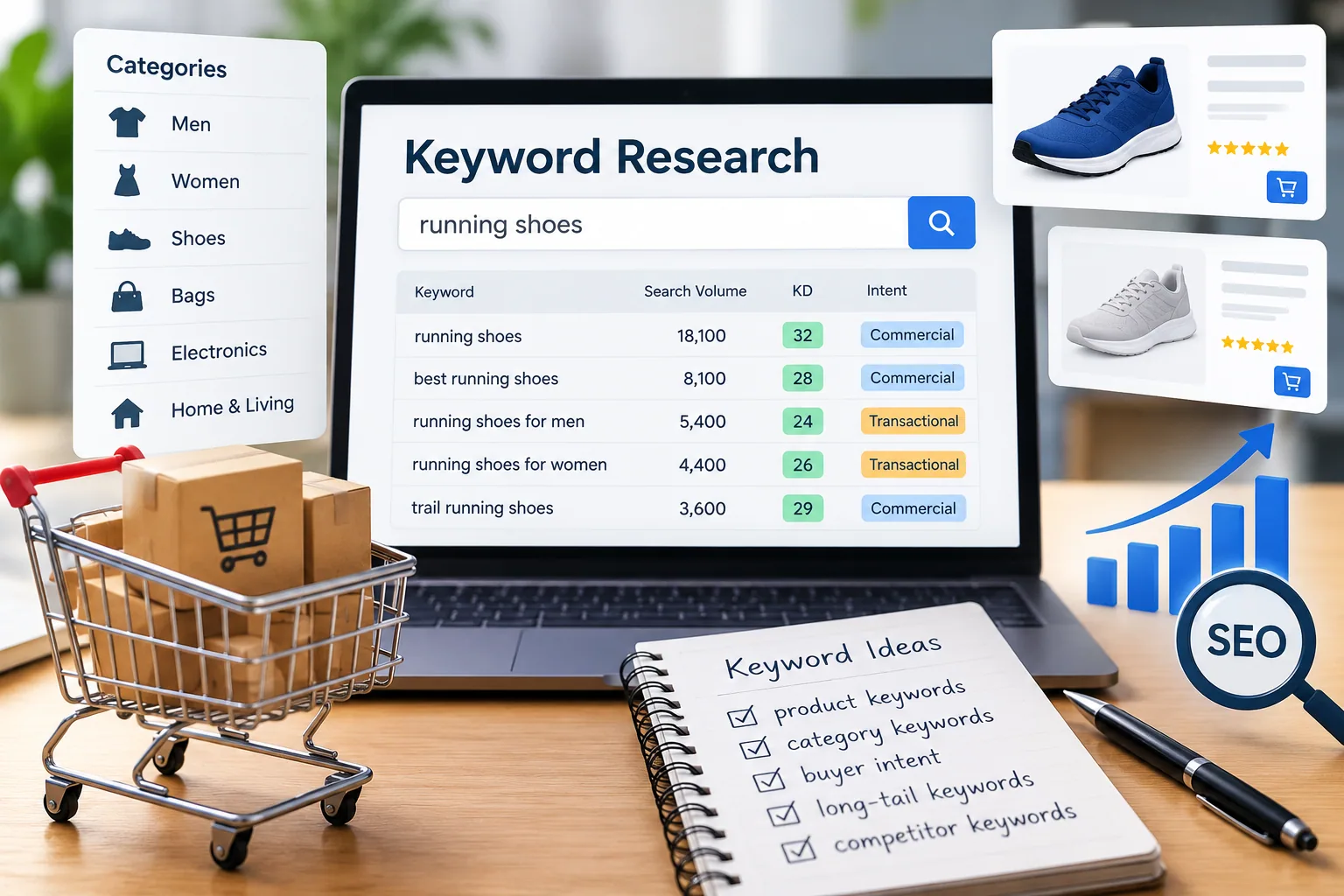
Keywords are at the heart of SEO. They represent the words and phrases users type into search engines. By identifying keywords relevant to your brand, you can tailor your content to address user needs. For example, if you're looking to attract local traffic, focusing on local SEO keywords can be particularly effective.
Effective content optimization involves more than keyword placement; it’s about creating valuable content that fulfills user search intent, thus increasing dwell time (how long a user stays on a page) and reducing bounce rate.
2. On-Page SEO
On-page SEO refers to optimizations made directly on your website to improve its visibility and user experience. Key aspects include:
- Title Tags and Meta Descriptions: These provide a snapshot of your content on the SERP. A compelling, keyword-optimized title and meta description can significantly improve click-through rate (CTR).
- URL Structure: URLs should be clean and descriptive, often incorporating keywords to boost relevance.
- Schema Markup: By using structured data, schema helps search engines understand your content better, making your site eligible for SERP features like rich snippets.
- Core Web Vitals: These Google metrics focus on site speed, interactivity, and visual stability, directly impacting both user experience (UX) and SEO rankings.
Explore More: Learn how SEO services can support your business goals.
3. Technical Optimization
Technical SEO encompasses behind-the-scenes improvements that allow search engines to access and understand your content better. Important technical SEO factors include:
- Sitemap Submission: Ensuring your sitemap is submitted to Google Search Console helps Google find and crawl your pages more efficiently.
- Mobile Optimization: With Google’s mobile-first indexing, having a mobile-friendly website is no longer optional. Responsive web design enhances accessibility across devices, improving UX and ranking potential.
- Page Speed: Fast-loading pages are essential for reducing bounce rate and maintaining user engagement.
Implementing these technical optimizations not only aids in crawling and indexing but also ensures that users have a smooth experience, boosting overall SEO performance.
4. Off-Page SEO and Backlinks
Off-page SEO centers around activities conducted outside of your website to increase its authority and credibility. The main focus here is link building—earning quality backlinks from reputable sites. When a trusted website links back to yours, it acts as a signal to search engines that your content is valuable.
SEO Insight: Quality matters more than quantity. A few high-quality backlinks from respected sources will boost your authority more than numerous links from lesser-known sites.
Backlinks are one of the most significant ranking factors, making them essential to any SEO strategy. They play a major role in Google’s algorithm, helping establish a website’s link popularity and reputation.
5. SERP Features and Enhancements
Google’s search results page is no longer limited to standard listings. SERP features like featured snippets, knowledge graphs, and local packs are opportunities for your site to stand out. By structuring content effectively, you increase your chances of appearing in these high-visibility areas, leading to greater SERP visibility.
Building an SEO Strategy
A robust SEO strategy is essential to improving your online presence and reaching your audience effectively. Whether you're just starting or looking to refine your approach, understanding the interplay of keywords, content, and technical enhancements is key to sustainable growth.
Developing an effective strategy should start with a free SEO audit to assess current performance and identify areas for improvement. Visit our free audit tool to take the first step in building a strategy that brings real results.
This concludes the first part of our SEO journey. In the next section, we’ll dive into specific tactics for improving SEO performance, explore how algorithms evolve, and discuss advanced strategies like predictive analytics and AI in SEO that can give your site a competitive edge. Stay tuned to continue learning how to make SEO work for you.
Advanced SEO Tactics: Building on the Fundamentals
Now that you have a foundation of SEO basics, let's explore more advanced tactics to refine and strengthen your SEO strategy. These methods build on technical and on-page fundamentals and incorporate the latest developments in search technology. By leveraging insights into user behavior, harnessing AI capabilities, and fine-tuning for specific ranking signals, you can enhance your site's relevance and authority in competitive search spaces.
1. Leveraging User Intent and Search Behavior
Understanding user intent is one of the most crucial factors in modern SEO. Users come to search engines with specific goals, such as finding information, making purchases, or getting answers to questions. By identifying and optimizing for the different types of search intent—informational, navigational, transactional, and commercial—your content can more effectively meet user needs.
- Informational Intent: Content that provides detailed answers or guides often ranks well for informational searches. Blog posts, FAQ pages, and how-to guides are ideal for these types of queries.
- Transactional Intent: Users ready to make a purchase may search for product reviews, comparisons, or best-buy guides. Optimizing product pages for keywords with strong transactional intent can significantly boost conversions.
Using analytics tools to track user search behavior—such as what terms users type to find your site and where they click—allows you to align your content with real-world search patterns, making your SEO efforts more strategic.
Related Content: For an in-depth look at optimizing for intent, explore our SEO services.
2. The Role of RankBrain and Machine Learning
Google’s RankBrain algorithm uses machine learning to interpret search queries, especially those that are unfamiliar or complex. Instead of focusing solely on keywords, RankBrain analyzes the context of words and phrases to understand the searcher’s intent. This shift encourages SEOs to create content that’s not only keyword-rich but also contextually relevant.
- Natural Language and Long-Tail Keywords: Writing in a natural, conversational style can help RankBrain interpret your content more effectively. Targeting long-tail keywords (phrases with three or more words) allows your content to match the specific needs of users, improving chances for higher rankings.
- Optimizing for Dwell Time and User Satisfaction: RankBrain rewards sites where users spend more time on the page (dwell time), indicating satisfaction with the content. Incorporating multimedia like images, videos, or interactive elements can keep users engaged.
RankBrain, part of Google’s evolving algorithm family, underscores the importance of content quality, relevance, and user experience.
3. Optimizing for Core Web Vitals
Core Web Vitals are a set of metrics that Google uses to measure user experience (UX), including page loading time, interactivity, and visual stability. These factors are vital in SEO, as they not only influence ranking but also impact bounce rate and CTR.
- Largest Contentful Paint (LCP): Measures loading performance. Aim to have the main content load within 2.5 seconds.
- First Input Delay (FID): Measures interactivity. Ensure user interactions respond within 100 milliseconds.
- Cumulative Layout Shift (CLS): Measures visual stability. Minimize unexpected layout shifts to create a smooth browsing experience.
Optimizing for these Core Web Vitals improves UX, increasing the likelihood that visitors will stay and explore your site.
Explore: For tips on enhancing UX, see our technical SEO services.
4. Content Depth and Relevance
Search engines prioritize content quality and relevance, not just keyword saturation. Content that is well-researched, thorough, and up-to-date will resonate better with users and is more likely to rank well.
- Authority and Trustworthiness: Demonstrating expertise, authoritativeness, and trustworthiness (known as EEAT in SEO) is crucial, especially in fields like finance, health, and e-commerce. Citing credible sources and linking to authoritative sites adds to the value of your content.
- Updating Existing Content: Regularly updating older posts keeps them relevant, making them more likely to maintain or improve rankings over time.
Insight: A content audit can reveal which pages need updating and which keywords are no longer effective. Consider using our free audit tool to evaluate your content’s current standing.
5. Structured Data and SERP Features
Structured data (or schema markup) is a powerful way to enhance the visibility of your content on the SERP. By implementing schema, you can provide search engines with additional context, making your content eligible for enhanced SERP features like rich snippets, FAQ boxes, and knowledge graphs.
- Product Markup: For e-commerce sites, adding structured data to product pages allows Google to display details like prices, availability, and reviews directly on the SERP, improving click-through rates.
- FAQ Schema: Schema for frequently asked questions allows you to show more comprehensive answers directly in search results, potentially increasing engagement and driving traffic.
Schema markup not only boosts SERP visibility but also improves user experience by offering more detailed information upfront.
6. Advanced Technical SEO: Mobile and Voice Search Optimization
With Google’s mobile-first indexing, mobile optimization is essential for ranking success. Ensuring that your site is mobile-responsive is critical, as users increasingly browse and search on their smartphones. Voice search is also on the rise, and optimizing for voice involves a slightly different approach:
- Conversational Keywords: Voice queries are often longer and phrased in a conversational tone. Focus on optimizing for question-based and natural language keywords.
- Local SEO: Voice search often involves local intent, such as “near me” queries. Ensuring your local SEO is optimized can increase your site’s chances of appearing in local search results and voice search responses.
Mobile SEO Resource: Our blog post on mobile SEO covers additional tips for optimizing your website’s mobile experience.
7. The Power of Backlinks and Link Building Strategy
Backlinks remain one of the strongest ranking factors in Google’s algorithm. However, quality, not quantity, is paramount. Effective link building can establish your website as a trustworthy source in your niche, which can significantly improve your rankings.
- Guest Blogging and Content Partnerships: Collaborating with reputable sites through guest blogging or partnerships can help you earn high-quality backlinks.
- Broken Link Building: Identifying broken links on related sites and suggesting your content as a replacement is a proactive way to gain backlinks and improve visibility.
By focusing on ethical, white-hat link-building strategies, you ensure that backlinks contribute positively to your SEO efforts without risking penalties.
The Future of SEO: AI, Predictive Analytics, and Beyond
SEO continues to evolve as technology advances, with artificial intelligence (AI) and predictive analytics emerging as the future frontiers. AI, like Google’s Multitask Unified Model (MUM), is transforming how search engines understand complex queries, particularly those involving multiple languages or formats.
- Predictive Analytics in SEO: Predictive analytics can forecast trends based on historical data, allowing you to adapt your content and SEO strategy proactively. This approach is especially useful in fields like retail, where search trends can fluctuate seasonally.
- Answer Engine Optimization: As voice search and AI-driven search experiences grow, optimizing content for answer engines can position your site as a go-to resource in your industry. Structured data, concise answers, and question-based keywords are all key to this strategy.
SEO is no longer about merely ranking on a results page. It’s about understanding search behaviors, adapting to technological advancements, and consistently improving user experience.
In the final part of this guide, we will discuss building a long-term SEO strategy, the ongoing nature of SEO, and how to stay informed on industry changes. These insights will empower you to maintain a competitive edge and adapt to the ever-shifting search landscape. Stay tuned for the concluding section on sustaining SEO success over the long haul.
Sustaining SEO Success: A Long-Term Strategy
SEO is not a one-time task but a continuous process that requires regular evaluation, adaptation, and strategy adjustments. The digital landscape and user behaviors constantly shift, and staying on top of these changes is essential for maintaining a competitive edge. In this final section, we’ll cover how to create a sustainable SEO strategy that adapts to industry developments, monitors progress, and continuously enhances your site’s performance.
1. Regular Audits and Performance Monitoring
Conducting regular SEO audits is critical for identifying opportunities, addressing technical issues, and ensuring your site remains optimized. An audit examines areas like page speed, backlinks, content quality, and schema markup to determine if your site is meeting current SEO best practices.
- Google Search Console: Using tools like Google Search Console enables you to monitor your site’s performance on search engines. You can see which keywords drive traffic, check for indexing issues, and review Core Web Vitals scores, giving you a clear understanding of how search engines view your site.
- Tracking Keyword Rankings and SERP Features: Regularly tracking keyword performance helps you understand how well your content is ranking over time. Monitor your rankings for targeted keywords, as well as your presence in SERP features like featured snippets or knowledge panels.
Pro Tip: Utilize our free SEO audit tool for an in-depth analysis of your site’s performance and areas for improvement.
2. Adaptive Content Strategy
Content is the core of any SEO strategy, and keeping it fresh, relevant, and in line with user intent is essential for maintaining rankings. Here’s how to approach content as a dynamic asset:
- Content Updates and Repurposing: Revisit older content to ensure it’s still accurate and relevant. Updating statistics, adding new information, and refreshing keywords can boost rankings and improve user engagement.
- Content Expansion: For high-performing articles, consider expanding them into comprehensive guides, adding new sections or multimedia elements to enhance their value. This also increases dwell time and helps you retain authority on key topics.
- User-Generated Content (UGC): Integrating user-generated content, such as customer reviews or testimonials, can improve engagement and enrich your content without significant time investment. UGC also provides unique content that may appeal to search engines and support local SEO efforts.
Insight: Explore ways to improve your content strategy with tips on crafting user-focused blog posts and product pages in our content optimization guide.
3. Competitor Analysis and Staying Updated
SEO is a competitive field, and understanding what your competitors are doing can give you an advantage. Competitor analysis helps identify gaps in your content or backlink strategy and can reveal new keywords to target.
- Content Gaps: Examine the types of content your competitors are ranking for and assess if there are topics or formats missing from your own site. Filling these content gaps can help attract new traffic segments.
- Backlink Opportunities: Analyzing competitors’ backlink profiles often reveals link-building opportunities. If a competitor has a high-quality backlink from a reputable site, reaching out to the same source can help strengthen your site’s authority.
Staying updated on Google algorithm changes and industry trends ensures that your SEO strategies remain effective. Follow reputable sources, join industry forums, and stay aware of major updates to algorithms, like Google’s MUM or SGE.
4. Emphasizing Local SEO and Reputation Management
For businesses targeting local customers, local SEO is crucial for connecting with your community. Local SEO ensures your site appears in local search results, improving both traffic and conversions for location-based searches.
- Google My Business: Optimize your Google My Business profile by keeping it updated with accurate business details, images, and customer reviews. This helps improve local visibility and establishes trust with users.
- Customer Reviews and Ratings: Reviews are a key ranking factor for local SEO and contribute to reputation management. Encourage satisfied customers to leave reviews, and engage with feedback to build a positive brand image.
Resource: To dive deeper into reputation-building strategies, review our local SEO services.
5. Measuring Success: Key Metrics and KPIs
Setting clear KPIs allows you to measure the success of your SEO efforts accurately. Some essential metrics to track include:
- Organic Traffic: Track the number of visitors arriving at your site through organic search. Increases in organic traffic often indicate successful keyword optimization.
- Conversion Rate: Monitor the percentage of users who complete desired actions (e.g., making a purchase or signing up) to gauge the effectiveness of your SEO in driving conversions.
- Click-Through Rate (CTR): High CTRs on the SERP indicate that your title tags and meta descriptions are resonating with searchers. A low CTR may suggest the need for adjustments to improve appeal.
- Bounce Rate and Dwell Time: A high bounce rate may indicate content that doesn’t match user intent, while longer dwell times suggest users find value in your content.
Regularly evaluating these metrics helps you understand what’s working, what needs improvement, and how your SEO aligns with business objectives.
6. Future-Proofing Your SEO with Predictive and AI Tools
SEO continues to evolve with technology, and AI-powered tools are at the forefront of these advancements. Implementing predictive and AI-driven insights can help future-proof your SEO efforts:
- Predictive Analytics: Using tools that leverage predictive analytics can provide insights into upcoming trends. This proactive approach allows you to adjust content, keywords, and even marketing strategies based on forecasted search patterns.
- AI for Answer Engine Optimization: AI tools like ChatGPT and Google’s Search Generative Experience (SGE) are changing how users interact with search engines. Optimizing for conversational and long-tail queries will make your site more compatible with AI-driven search formats.
By embracing technology and focusing on predictive insights, you can maintain an adaptive SEO strategy that meets changing demands.
Building SEO Resilience for Your Brand’s Future
SEO is a marathon, not a sprint. Building a resilient SEO strategy means preparing your brand for long-term success with sustainable practices, frequent analysis, and a commitment to quality. As the search landscape evolves, keeping user intent, technical precision, and valuable content at the core of your efforts will allow your site to adapt and thrive.
With a data-driven approach and continuous optimization, SEO can not only increase your site’s visibility but also provide a significant return on investment by attracting quality, conversion-ready traffic.
Next Steps: Ready to improve your SEO game? Visit Easy Ecommerce Marketing for professional guidance on how to elevate your SEO strategy and achieve lasting online success.
FAQ: Common Questions About SEO and How It Works
Here are answers to some of the most frequently asked questions about SEO that go beyond the basics:
What is the difference between SEO and SEM?
- SEO (Search Engine Optimization) focuses on organic (unpaid) search results, optimizing a website to rank higher on search engines naturally. SEM (Search Engine Marketing) includes paid strategies, such as Pay-Per-Click (PPC) advertising, to achieve visibility on search engines through sponsored ads.
How long does it take to see results from SEO?
- SEO is a long-term strategy. Typically, it takes anywhere from 3 to 6 months to start seeing significant results, although the timeline varies depending on factors like competition, industry, and the effectiveness of your SEO efforts.
What are “white-hat” and “black-hat” SEO?
- White-hat SEO refers to ethical SEO practices that comply with search engine guidelines, such as quality content creation and link building from reputable sources. Black-hat SEO includes unethical practices like keyword stuffing or link farming, which aim to manipulate rankings and can lead to penalties.
Is SEO only relevant for Google?
- While Google dominates the search market, SEO is also relevant for other search engines like Bing and Yahoo. Additionally, platforms like YouTube, Amazon, and social networks have their own search algorithms where SEO principles can be applied to improve visibility.
What is a backlink, and why is it important for SEO?
- A backlink is a link from another website to your own, and it acts as a signal of authority and trust. Search engines view high-quality backlinks as endorsements, helping to boost your rankings in search results.
Can SEO work for small businesses?
- Absolutely. Local SEO is especially effective for small businesses looking to attract local customers. Optimizing for local keywords, obtaining customer reviews, and managing a Google My Business profile can significantly improve visibility in local search results.
How does voice search impact SEO?
- Voice search often uses natural language and long-tail queries, so optimizing for conversational keywords and question-based searches is essential. Additionally, mobile and local SEO are closely tied to voice search optimization.
What is a canonical tag, and how does it help with SEO?
- A canonical tag is an HTML element that helps prevent duplicate content issues by telling search engines which version of a page is the “main” version. This ensures that duplicate or similar pages are not competing with each other in search rankings.
Does social media activity affect SEO rankings?
- While social media signals (like shares or likes) do not directly impact SEO rankings, a strong social media presence can increase visibility and drive traffic to your website, indirectly benefiting your SEO through enhanced brand awareness and backlinks.
How important is mobile optimization for SEO?
- Mobile optimization is critical as Google now uses mobile-first indexing, meaning it primarily evaluates the mobile version of a site for ranking purposes. Ensuring your site is mobile-friendly improves user experience and helps your rankings in mobile searches.