What Is SEO, And Why Is It Important?
In this article, we'll explore the essentials of SEO (Search Engine Optimization), its role in driving organic traffic, and why it’s the backbone of successful digital marketing strategies. Learn how optimizing your site boosts visibility, rankings, and user experience while building long-term brand trust.
Search Engine Optimization (SEO) is more than just a buzzword in digital marketing—it’s the compass that guides online businesses toward success. Whether you're optimizing for visibility in search engine results or building a long-term strategy to attract organic traffic, SEO is indispensable. This guide unpacks what SEO entails, its many layers, and why mastering it can transform your brand’s digital presence.
The Role of SEO in Modern Digital Marketing
Understanding the Basics of SEO
SEO, or Search Engine Optimization, is the practice of refining your website to increase its visibility when users search for relevant products, services, or information. By improving your rankings in search engine results pages (SERPs), you naturally drive organic traffic to your website, a critical source of potential customers.
“Without visibility, your site is just a needle lost in the vast haystack of the internet.”
This visibility isn’t limited to one page or blog post; it spans your entire website. Take, for example, our services page, which is optimized for relevant keywords and structured to appeal to both search engines and users.
Why Does SEO Matter?
With more than 8.5 billion searches performed daily on Google alone, being discoverable is critical. Research shows that users overwhelmingly click on results from the first page. SEO positions your brand where it counts—at the top.
Key benefits of SEO include:
- Improved Rankings: Higher rankings increase your click-through rate (CTR) and the likelihood of conversions.
- Trust and Authority: SEO establishes your brand as a credible source in your industry.
- Cost-Effective Marketing: Unlike PPC (Pay-Per-Click) advertising, SEO delivers sustainable results without continuous ad spend.
- Enhanced User Experience (UX): Google rewards sites with fast loading speeds, mobile optimization, and clean navigation—features that benefit users.
The Pillars of SEO: A Holistic Approach
Achieving top SERP rankings isn’t a one-size-fits-all process. Successful SEO integrates several elements, from technical tweaks to creative strategies. Let’s explore these components.
1. On-Page SEO
On-page SEO focuses on optimizing the content and structure of your website. This includes:
- Keywords: Use a mix of short-tail, long-tail, and local keywords to attract diverse audiences.
- Title Tags and Meta Descriptions: These elements improve your CTR and provide search engines with context for your content.
- Content Optimization: High-quality, relevant content is critical. For instance, our free audit page is crafted to answer specific user queries and engage visitors.
2. Technical SEO
Think of technical SEO as the foundation of your digital house. Without it, even the best content won’t perform well. Key aspects include:
- Crawling and Indexing: Ensure search engines can easily access and understand your content.
- Core Web Vitals: Optimize for speed, interactivity, and visual stability to meet Google’s performance benchmarks.
- HTTPS: Secure sites build trust and enhance SEO.
3. Off-Page SEO
Off-page SEO involves activities that happen outside your website but still impact your rankings. This includes:
- Backlinks: High-quality backlinks signal trustworthiness and relevance to search engines.
- Social Media Integration: Promoting content on platforms like LinkedIn or Facebook boosts visibility and attracts valuable traffic.
- Brand Trust: Reviews and user-generated content can enhance your domain authority over time.
Navigating SEO Trends and Algorithm Updates
Google’s algorithm updates are frequent and transformative. Staying ahead requires adapting to trends like:
- AI in SEO: With tools like RankBrain and BERT, search engines now analyze search intent and semantic relationships between words.
- Mobile-First Indexing: As mobile traffic dominates, sites optimized for smaller screens perform better.
- Structured Data: Schema markup helps search engines display enhanced search features, like featured snippets and knowledge panels.
Staying agile in response to algorithm changes is critical. You can rely on trusted resources, like our homepage, for insights into staying competitive in a shifting landscape.
Building Your SEO Strategy for Long-Term Success
With a solid understanding of SEO's foundational pillars, let’s delve into actionable strategies that can elevate your site’s visibility, engagement, and conversions. This section focuses on enhancing local SEO, leveraging content clusters, and optimizing for emerging trends like voice search and user personalization.
1. Local SEO: Owning Your Neighborhood Search
For businesses serving specific locations, local SEO is indispensable. Optimizing for local search ensures your brand appears prominently when users search for services "near me."
Key steps to mastering local SEO include:
- Claiming and Verifying Listings: Platforms like Google My Business are essential for appearing in local map packs.
- Using Local Keywords: Incorporate city or region-specific terms into your content and metadata.
- Encouraging Reviews: Positive reviews build trust and improve your visibility in localized searches.
- Consistency Across Directories: Ensure your Name, Address, and Phone Number (NAP) details are uniform across all listings.
Pro Tip: Engage with customers by responding to reviews, both positive and negative, to show you value their feedback.
2. The Power of Content Clusters
Gone are the days when a single blog post could dominate rankings. Search engines now favor topic authority, which can be achieved through content clusters.
What Are Content Clusters?
A content cluster is a network of interlinked articles and pages centered around a core topic. For example:
- Pillar Content: A comprehensive guide to SEO, such as our services page.
- Supporting Articles: Posts targeting subtopics like "on-page SEO best practices" or "technical SEO audits."
- Internal Linking: Seamlessly connecting these pieces improves navigation and enhances your site’s authority.
Why Content Clusters Work
This strategy caters to semantic search and shows search engines that your site offers depth and breadth on a topic. It also enhances the user experience by providing a clear path for exploring related content.
3. Preparing for Voice Search Optimization
As voice-enabled devices like Alexa and Google Assistant become household staples, optimizing for voice search is no longer optional.
How Voice Search Impacts SEO
- Conversational Queries: Users tend to ask full questions rather than typing short keywords.
- Local Intent: A significant portion of voice searches is location-based, such as "best cafes nearby."
- Position Zero: Voice assistants often pull answers from featured snippets.
Voice Search Optimization Tips
- Create content that answers specific questions concisely.
- Use structured data to help search engines identify key points.
- Optimize for long-tail keywords and natural language queries.
Did You Know? Voice search is a key driver of mobile-first indexing, which prioritizes mobile-friendly websites in rankings.
4. Personalizing Search Experiences
Search personalization tailors results based on users’ preferences, search history, and location. To stay ahead:
- Understand Search Intent: Identify whether users are looking for transactional, informational, or navigational content.
- Leverage Behavioral Data: Tools like Google Analytics help track user behavior and preferences, allowing for targeted optimizations.
- Use AI Tools: Platforms like RankBrain analyze patterns in user searches, rewarding content that aligns with evolving user needs.
5. Enhancing Visual and Interactive Content
With the rise of visual search tools like Google Lens, optimizing your content for images and interactivity is critical.
Best Practices for Visual Search Optimization
- Use high-quality images with descriptive alt text.
- Add structured data for images to appear in rich results.
- Incorporate infographics and videos to diversify content types.
Interactive elements, such as quizzes, calculators, or augmented reality tools, further enhance engagement and encourage social sharing—an indirect SEO booster.
Staying Agile with Algorithm Updates
Google's frequent algorithm updates mean SEO strategies must evolve constantly. Notable updates like BERT and MUM have shifted focus to context, meaning content must align closely with user intent.
How to Adapt to Algorithm Changes
- Monitor Performance: Regular audits using tools like Google Search Console help identify traffic shifts.
- Focus on E-A-T: Establish Expertise, Authoritativeness, and Trustworthiness through well-researched, high-quality content.
- Stay Updated: Follow industry news and trusted sources like our homepage for guidance on navigating updates.
Advanced SEO Techniques for Maximum Impact
With the fundamentals and intermediate strategies covered, it’s time to explore advanced SEO techniques. In this final section, we’ll delve into technical SEO, off-page strategies, and measuring success to ensure your efforts drive sustainable growth.
1. Mastering Technical SEO: The Backbone of Optimization
Technical SEO ensures that your site functions smoothly and meets the expectations of both users and search engines. Think of it as building a solid foundation before constructing a house.
Core Elements of Technical SEO
- Crawling and Indexing: Make sure search engines can access and index your pages. Use tools like XML sitemaps and robots.txt files to guide crawlers effectively.
- Core Web Vitals: Focus on metrics like page load speed, interactivity, and visual stability. Sites that perform well on these metrics enjoy higher rankings.
- HTTPS Security: Transition to HTTPS to ensure secure connections. This not only boosts rankings but builds user trust.
- Mobile-First Indexing: Ensure your site is responsive and offers an excellent user experience on all devices. Google prioritizes mobile-optimized sites for rankings.
Enhancing Your Site’s Structure
A well-organized site makes it easier for both users and crawlers to navigate:
- Use a clear URL structure.
- Add internal links, such as those on our services page, to help users discover related content.
- Leverage schema markup to improve the visibility of rich snippets and featured snippets.
2. Off-Page SEO: Building Your Brand’s Authority
While on-page SEO focuses on your site, off-page SEO builds trust and authority through external efforts.
Link Building Strategies
Acquiring high-quality backlinks is vital. Focus on:
- Guest Blogging: Publish authoritative content on trusted sites within your niche.
- Earning Backlinks: Create shareable resources like infographics or whitepapers that naturally attract links.
- Avoiding Low-Quality Links: Search engines penalize spammy or irrelevant links.
Social Media Integration
While social signals don’t directly affect rankings, they amplify your content’s reach. Share blog posts, like our insights on SEO best practices from our homepage, across platforms to drive traffic and visibility.
3. Measuring SEO Success: Metrics That Matter
Tracking the effectiveness of your SEO efforts is crucial for refining strategies and achieving goals. Here are key metrics to monitor:
Traffic and Engagement Metrics
- Organic Traffic: Monitor the number of visitors reaching your site through unpaid search results.
- Bounce Rate: Aim for engaging content to reduce bounce rates and keep users exploring your site.
- Click-Through Rate (CTR): Optimize title tags and meta descriptions to boost clicks from search results.
Performance Metrics
- Page Load Time: Faster sites improve rankings and reduce user frustration.
- Core Web Vitals: Use tools like Google PageSpeed Insights to ensure compliance with performance benchmarks.
Conversion Metrics
- Lead Generation: Evaluate how effectively your pages, like our free audit page, convert visitors into leads.
- Revenue: Tie SEO efforts to sales growth by tracking conversions and ROI.
4. Staying Ahead with AI and Emerging Trends
As search evolves, so must your strategies. AI is now a critical player in SEO, enabling search engines to better understand context and user intent.
Generative Engine Optimization
AI-driven search features like RankBrain and MUM analyze relationships between terms and prioritize the most relevant results. To stay competitive:
- Create content that aligns with semantic search.
- Use structured data to enhance your appearance in AI-driven results like Google’s AI Overviews.
Interactive and Visual Content
Search engines increasingly value diverse formats:
- Optimize videos, infographics, and interactive content for platforms like Google Discover.
- Ensure visuals have descriptive alt text to support visual search tools.
5. Adapting to Continuous Algorithm Updates
Google frequently refines its algorithms to improve search quality. Staying proactive ensures your strategies remain effective:
- Monitor Updates: Follow reliable resources to adapt quickly to changes.
- Focus on E-A-T: Publish high-quality content backed by research to maintain authority.
- Content Refresh: Regularly update older pages to keep them relevant and improve their rankings.
Conclusion: The Long Game of SEO
SEO is not a one-time effort; it’s an ongoing process of optimization, adaptation, and growth. By mastering on-page and off-page strategies, staying ahead of trends, and monitoring key metrics, you can drive sustained success for your business.
For more insights, explore our homepage and let us help you achieve your digital marketing goals. Ready to take the next step? Check out our services or request a free audit today.
FAQ: Common Questions About SEO
Here are answers to some of the most frequently asked questions about SEO that weren’t covered in the main article. These insights can help clarify additional nuances about SEO and its importance.
1. How long does it take for SEO to show results?
SEO is a long-term strategy that typically takes 3-6 months to show significant results. The timeline depends on factors such as competition, the quality of your website, and the keywords you're targeting. Regular updates and consistent optimization can shorten this period.
2. What’s the difference between SEO and SEM?
While SEO focuses on organic traffic through optimization, Search Engine Marketing (SEM) combines SEO with paid search strategies like Pay-Per-Click (PPC) advertising. SEO is about sustainable growth, whereas SEM can deliver quicker, but paid, results.
3. Do small businesses really need SEO?
Absolutely. SEO levels the playing field for small businesses, allowing them to compete with larger companies by targeting local SEO and niche keywords. Optimized content can drive local customers to your website and increase conversions.
4. How do search engines rank websites?
Search engines like Google use complex algorithms to evaluate hundreds of ranking factors. These include:
- Content relevance and quality
- User experience (page load speed, mobile-friendliness)
- Backlinks and domain authority
- Alignment with search intent
5. What are some common SEO mistakes to avoid?
- Overloading pages with keywords (keyword stuffing)
- Neglecting mobile optimization
- Using low-quality backlinks
- Ignoring Core Web Vitals
- Publishing duplicate or thin content
6. Is SEO only for Google?
No. While Google dominates the search market, SEO principles apply to other platforms like Bing, Yahoo, and even social platforms like YouTube and TikTok, which function as search engines for video and niche content.
7. What is black hat SEO, and why should it be avoided?
Black hat SEO refers to unethical practices like cloaking, link farms, and keyword stuffing to manipulate rankings. These techniques may yield short-term results but can lead to penalties or bans from search engines, destroying your online presence.
8. Can SEO help my e-commerce store?
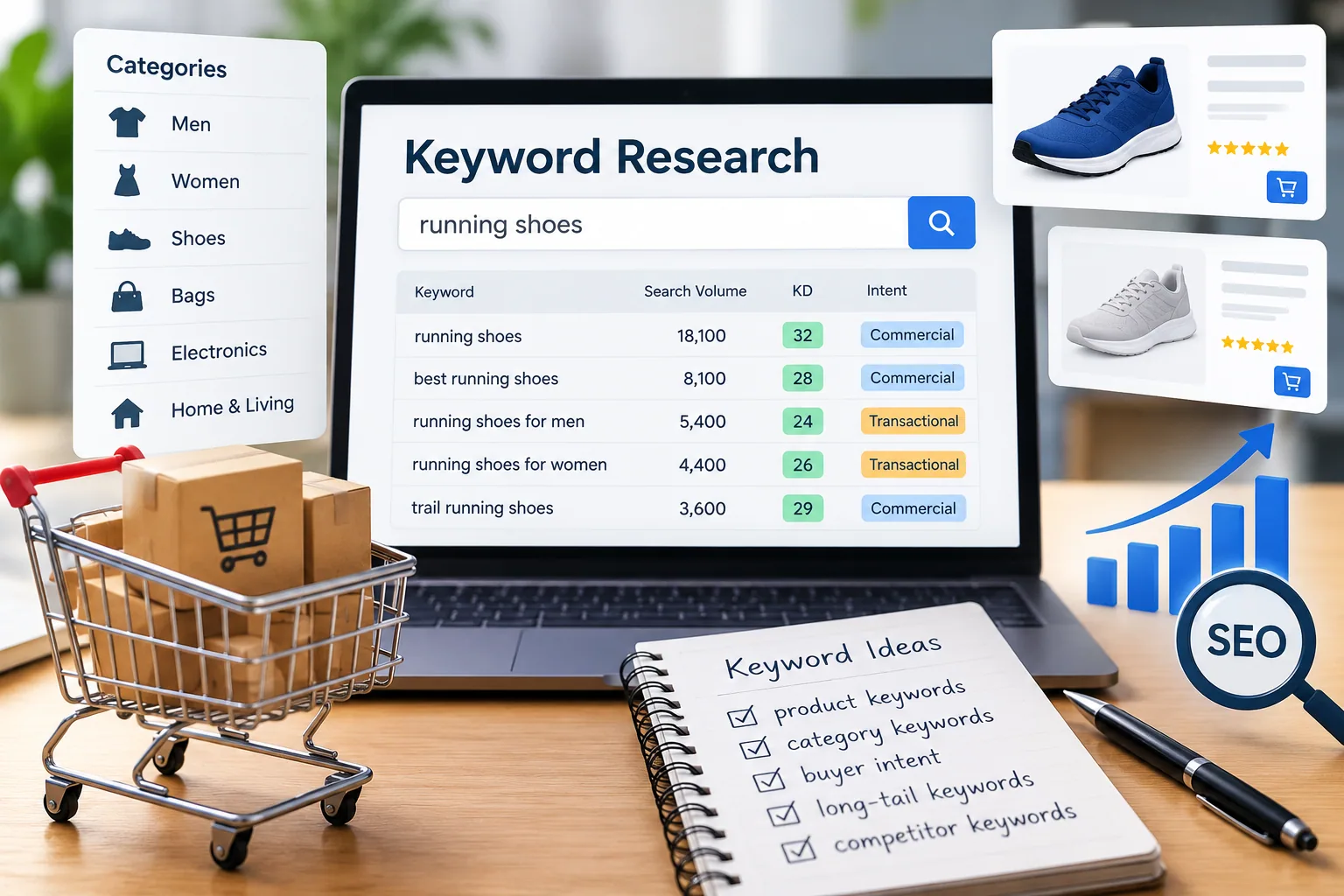
Yes! SEO is crucial for e-commerce stores to drive traffic to product and category pages. Optimizing product descriptions, using schema markup for rich results, and targeting long-tail keywords can significantly increase visibility and sales.
9. How does social media impact SEO?
Social media doesn't directly influence rankings, but it can amplify your content’s reach, driving more traffic to your site. High engagement on social platforms can also attract backlinks and improve brand awareness, indirectly boosting SEO.
10. Can I do SEO on my own, or do I need to hire a professional?
You can handle basic SEO tasks like optimizing content and conducting keyword research. However, for advanced strategies like technical SEO, link building, and staying up-to-date with algorithm changes, hiring a professional or agency can save time and deliver better results.