What Is SEO In Digital Marketing?
Search Engine Optimization (SEO) is essential to visibility in digital marketing, helping businesses connect with their audience through search engines. Whether for local SEO, content optimization, or technical SEO, it involves a mix of on-page, off-page, and technical practices to improve how search engines interpret and rank your site. In this article, we’ll delve into the key elements of SEO and why it remains crucial for brands in competitive digital spaces.
SEO goes beyond keywords to focus on creating value-driven content, enhancing user experience (UX), and building site authority through trusted backlinks.
To fully appreciate SEO's role in digital marketing, we’ll cover essential terms like SERPs (Search Engine Results Pages), organic search results, and how SEO intertwines with Google algorithms like RankBrain. We'll also explore why factors such as page load speed, mobile-first indexing, and user engagement are foundational to effective SEO.
Introduction to SEO: The Foundation of Digital Visibility
When it comes to digital marketing, SEO stands as a cornerstone, creating pathways for users to discover relevant content on your website organically. But what does it mean to optimize a website for search engines, and why is it essential for brand growth? Let's break down the key components that define SEO.
1. What SEO Means and How It’s Evolved
At its core, SEO is about making your content discoverable by search engines like Google and Bing. This discovery relies on factors like site structure, keyword research, and user intent. Google, for example, relies on advanced algorithms such as Hummingbird and Panda to evaluate site content and rank pages according to relevance and quality.
The need for SEO grows as digital spaces become more competitive. Simply put, SEO practices help ensure your content reaches the intended audience, connecting them with the products or services they seek. In addition, SEO has expanded beyond just “keywords” to include areas like site security (HTTPS), schema markup, and UX design, which all contribute to a page’s rank.
For further insights into how SEO can empower your site, our services page provides detailed information.
2. SEO Basics: What Search Engines Look For
SEO revolves around a few main pillars: relevance, trustworthiness, and user-friendliness. When a user searches for a term, search engines like Google strive to deliver results that best match the user’s intent.
Key Components of SEO in Digital Marketing
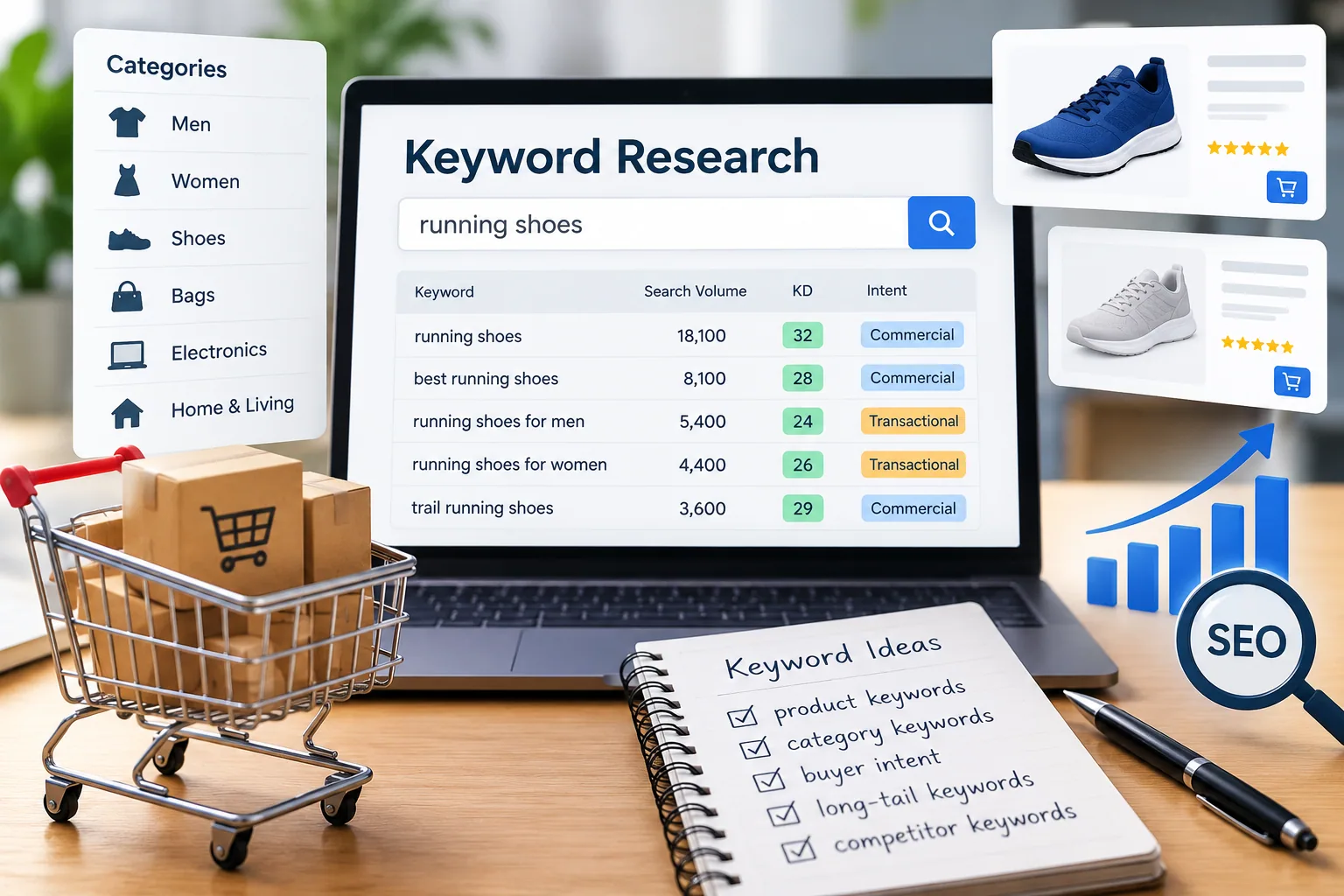
- Keyword Research: This is foundational to any SEO strategy. It involves identifying phrases and terms that users frequently search for and incorporating these into your content naturally. Tools like Google Analytics and Google Search Console aid in this process by providing data on search behavior.
- On-Page Optimization: This aspect covers all the factors on your website that can influence SEO, such as meta descriptions, title tags, image alt text, and structured data. On-page SEO ensures that search engines understand your content and helps your site appear in relevant search queries.
- Technical SEO: This is the behind-the-scenes optimization. Technical SEO involves aspects such as crawlability, indexing, and mobile-friendliness. Ensuring a mobile-optimized site has become especially important as Google has shifted to mobile-first indexing, giving priority to mobile-friendly sites in search rankings.
For those just starting out, our free SEO audit can provide a clear picture of where improvements can be made to your site.
3. User Experience and SEO: The Power of Engagement
A website that delivers a strong user experience (UX) is more likely to perform well in search rankings. This is because search engines value sites that keep visitors engaged and encourage them to explore further.
How UX Influences SEO
Factors such as page load time, mobile responsiveness, and easy navigation contribute to a positive UX. When these elements are optimized, users are more likely to stay on your site longer, reducing bounce rates and enhancing “dwell time.” Google’s Core Web Vitals metrics focus on UX components like loading speed and visual stability, which affect SEO rankings directly.
- Page Speed and Load Time: A fast-loading page is critical, especially on mobile devices. Pages that load slowly are penalized by search engines, and users are likely to abandon them. Using tools like Google Analytics (GA4) helps monitor page speed to identify bottlenecks.
- Mobile Optimization: With an increasing number of users browsing on mobile, search engines prioritize sites optimized for these devices. Mobile optimization includes responsive design and adaptive content formats, ensuring seamless viewing across devices.
- Engagement Metrics: User engagement metrics like bounce rate, time on page, and pages per session provide insights into how visitors interact with your site. A low bounce rate and high dwell time signal to search engines that your content is valuable and relevant.
4. Beyond On-Page: The Role of Off-Page SEO
Off-page SEO refers to actions taken outside your website to influence your search engine rankings. This is largely about building brand authority and trust through reputable links and social proof.
Link Building and Brand Authority
One of the most effective ways to boost off-page SEO is through link building. Quality backlinks from trustworthy sites act as endorsements, signaling to search engines that your content is credible and worth ranking higher. The quality of links matters more than the quantity, so it’s essential to focus on gaining backlinks from authoritative sources.
Social SEO is another growing area of off-page SEO. Platforms like YouTube and TikTok are increasingly used as search engines in their own right, particularly for how-to videos and product reviews. By optimizing your brand’s social media presence, you can create an additional source of organic traffic.
Tip: Use tools like Google Search Console to track which sites link to your content and identify link-building opportunities.
Content Optimization: Crafting User-Centric Content for SEO Success
The effectiveness of any SEO strategy is rooted in the quality and relevance of content. Content optimization goes beyond inserting keywords; it involves aligning with user intent, creating valuable resources, and optimizing for readability and engagement. Well-crafted content addresses users’ needs, captures attention, and drives traffic, setting your brand apart in search engine results.
1. Understanding User Intent and the Power of High-Quality Content
User intent refers to the purpose behind a search query. By understanding whether the user is looking for information, making a purchase, or simply navigating to a specific website, you can create content that directly addresses their needs. Google’s RankBrain algorithm plays a role here by analyzing patterns in search queries to better match intent with content.
Types of User Intent
- Informational – Users are seeking knowledge or solutions (e.g., "how to use SEO tools").
- Navigational – Users are searching for a specific page or brand (e.g., "Easy E-commerce Marketing homepage").
- Transactional – Users are ready to make a purchase or take action (e.g., "buy SEO tools online").
To meet these intents, consider developing various content types, such as in-depth blog posts, product tutorials, and FAQs. Not only does this enhance your relevance in search results, but it also drives conversions by guiding users through the buyer’s journey.
“Creating content that resonates with user intent is essential for effective SEO. This ensures that your site meets searchers’ expectations, increasing the likelihood of ranking higher.”
2. The Importance of Keyword Strategy
While SEO has evolved, keyword research remains fundamental. Targeting relevant keywords ensures your content appears in search results for terms that matter to your audience. Use keywords naturally within your text, headers, and meta descriptions to enhance readability while signaling relevance to search engines.
Steps in Building a Keyword Strategy
- Identify Core Topics: Think about broad themes relevant to your business (e.g., “e-commerce SEO”).
- Use Keyword Research Tools: Tools like Google Search Console and others help analyze search volumes, competition, and related keywords.
- Incorporate Long-Tail Keywords: Long-tail keywords (phrases with three or more words) capture specific search intents, improving chances of attracting qualified traffic.
For e-commerce websites like Easy E-commerce Marketing, targeting product-specific terms helps attract users who are closer to making a purchase. Including keywords in product descriptions, collection pages, and blog content reinforces relevance across your site.
3. Leveraging On-Page Optimization Techniques
On-page SEO focuses on individual page elements that enhance visibility, such as title tags, meta descriptions, headers, and image optimization. These elements are crucial for search engines to understand the structure and purpose of your pages.
Key On-Page Optimization Elements
- Title Tags and Meta Descriptions: Each page should have a unique title tag and meta description that include targeted keywords and entice users to click.
- Headers (H1, H2, H3 Tags): Use headers to organize content logically and make it easier for both users and search engines to scan.
- Image Alt Text: Adding descriptive alt text to images aids in accessibility and helps search engines index visual content.
For example, using specific image alt text that describes the product can increase chances of appearing in image search results, which is especially useful for e-commerce brands. Implementing these on-page techniques enhances search visibility while improving user engagement.
4. The Technical Foundation: Ensuring Optimal Site Performance
No SEO strategy is complete without addressing the technical side of a website. Technical SEO includes tasks that ensure search engines can crawl and index your site, and that users enjoy a smooth experience. This includes site speed, mobile-friendliness, and secure HTTPS connections.
Technical SEO Essentials
- Mobile Optimization: With Google’s mobile-first indexing, websites must be optimized for mobile devices. Responsive design and streamlined mobile navigation help improve user experience.
- Page Speed: Slow-loading pages can deter visitors and hurt rankings. Tools like Google Analytics (GA4) offer insights into page load times, helping identify areas for improvement.
- Secure Connections (HTTPS): Using HTTPS encryption builds trust with users and is a ranking signal for Google. Ensuring your site’s security is essential in both SEO and user trust.
With the increasing use of AI-driven search and technologies like Google’s Multitask Unified Model (MUM), having a technically sound site also improves compatibility with emerging search features. For detailed guidance on technical SEO improvements, check out our services page.
5. Off-Page SEO: Building Authority and Trust
Off-page SEO includes all activities conducted outside of your website that affect your search engine rankings. The goal of off-page SEO is to establish your site as authoritative and trustworthy in your industry.
Link Building and Brand Authority
Link building is an essential part of off-page SEO. Backlinks from reputable sites signal to search engines that your content is valuable, boosting your credibility. Quality backlinks matter more than quantity, so it’s important to target reputable sites that align with your brand’s values and offerings.
In addition to backlinks, social media optimization (SMO) helps increase brand visibility and authority. By creating and sharing valuable content on platforms like YouTube or TikTok, you not only reach a wider audience but also increase potential backlinks and social signals. When users engage with your content on social media, it signals to search engines that your brand is relevant and active, further enhancing your SEO efforts.
6. Local SEO: Targeting Local Audiences for Better Reach
For businesses with physical locations or those looking to target specific areas, local SEO is essential. Local SEO focuses on optimizing for location-based searches, helping you connect with potential customers in your area. This includes managing local listings, accumulating customer reviews, and using Google My Business effectively.
Local SEO Strategies
- Local Listings Management: Keeping your business information up-to-date on directories and review sites like Google, Yelp, and TripAdvisor is key.
- Customer Reviews: Positive reviews help boost visibility in local search results and build trust with prospective customers.
- Location-Specific Keywords: Incorporate city or regional names into your content to attract nearby users.
These efforts make it easier for local audiences to find and engage with your brand, leading to increased conversions and enhanced visibility.
Advanced SEO Strategies: Staying Ahead with Analytics and Continuous Improvement
As SEO continues to evolve, advanced strategies and analytics become crucial for staying competitive. This final section covers essential practices like SEO audits, data-driven insights, and adaptive strategies to ensure your website’s long-term success.
1. The Role of SEO Audits: Keeping Your Site in Top Shape
Regular SEO audits are essential to identify potential issues, track improvements, and adjust your strategy based on data. These audits should cover technical, content, and off-site SEO aspects, ensuring that each part of your site performs optimally. Consider using a mix of tools like Google Search Console and GA4 to conduct in-depth analyses.
Key Areas to Audit
- Technical Health: Check for issues in site speed, mobile responsiveness, and HTTPS status. A technically sound site ensures that search engines can effectively crawl and index your pages.
- Content Quality: Review each page’s relevance, readability, and engagement metrics. Identify pages with high bounce rates or low dwell time and optimize them to improve user experience.
- Backlink Profile: Examine your site’s backlink profile, identifying both valuable links and any potentially harmful ones. Quality backlinks continue to be a major factor in search rankings.
SEO audits should be a regular part of your SEO workflow, ensuring your site remains optimized and adaptable to changing algorithms and user expectations. For those who want a starting point, our free SEO audit offers insight into potential areas of improvement.
2. Leveraging Data and Analytics for SEO Success
Understanding your audience’s behavior is crucial to refining your SEO strategy, and data from tools like GA4 provides insights into what’s working and where adjustments are needed. Key metrics to focus on include:
- Organic Traffic: Track the volume and growth of traffic originating from organic search. A steady increase indicates successful SEO efforts.
- Conversion Rate: Measure the effectiveness of your SEO strategy in driving actions such as purchases or sign-ups.
- Bounce Rate and Dwell Time: Low bounce rates and long dwell times often indicate that users find your content valuable and engaging.
With predictive analytics, you can anticipate changes in user behavior and make proactive adjustments. For example, seasonal trends or spikes in demand can be identified early, allowing you to optimize content and keywords in advance.
3. Emerging Trends in SEO: AI-Driven Search and Generative Engine Optimization
The landscape of SEO is rapidly changing, with artificial intelligence and machine learning technologies playing a bigger role. Search engines are increasingly using AI, such as Google’s RankBrain and Multitask Unified Model (MUM), to interpret user queries and deliver relevant content.
AI and SEO: The Future of Search
- Generative Engine Optimization (GEO): GEO focuses on optimizing content for AI-driven search engines like Google’s generative search. As users begin to rely on AI chatbots (e.g., Google Bard) for answers, optimizing for these tools ensures visibility in a new wave of search experiences.
- Voice Search Optimization: With the rise of voice-activated devices, voice search optimization is essential. Voice searches tend to be more conversational, so incorporating long-tail keywords and natural language in your content can help capture these queries.
- Answer Engine Optimization (AEO): Featured snippets, “People Also Ask” sections, and other answer boxes on SERPs are becoming more common. AEO involves structuring content to answer specific questions concisely, increasing the chances of appearing in these prominent positions.
As search engines evolve, adapting your content for AI-driven search and conversational queries will be a significant competitive advantage.
4. Content Distribution and SEO: Expanding Reach Beyond Search Engines
SEO doesn’t end with Google. Content distribution is a powerful method of increasing visibility across platforms, especially those that are increasingly used as search engines themselves, like YouTube and Amazon.
Effective Content Distribution Strategies
- Video SEO: Platforms like YouTube are the second-largest search engine, making video optimization an effective strategy. Use descriptive titles, keywords, and tags to enhance visibility on video platforms.
- Social Media Optimization (SMO): Social platforms play a role in SEO as they contribute indirectly by driving traffic and improving brand visibility. Sharing optimized content on channels like TikTok can help reach diverse audiences.
- Retailer SEO: For e-commerce brands, optimizing product listings on retailer platforms such as Amazon is critical. By including keywords and quality images, you improve the chances of reaching potential customers directly through product searches.
5. Building and Maintaining Brand Authority with E-E-A-T
Google’s E-E-A-T (Experience, Expertise, Authoritativeness, Trustworthiness) framework is essential for building credibility and trust in your brand. Websites that score well in these areas are more likely to rank higher because they provide valuable, reliable information.
Steps to Enhance E-E-A-T
- Showcase Expertise: Incorporate author bios and credentials, especially in industries that demand expertise, like health or finance.
- Build Authoritative Content: Publish well-researched, in-depth content that establishes your brand as a thought leader.
- Engage in Reputation Management: Monitor and respond to reviews, social mentions, and any external references to your brand to foster trust.
Consistency is key when it comes to E-E-A-T. Building and maintaining your brand’s credibility through content that’s accurate, transparent, and informative enhances both SEO performance and user trust.
6. Continuous Optimization and Staying Updated with SEO Trends
SEO is a long-term strategy that requires continuous refinement. Search algorithms, user behaviors, and technology evolve constantly, so adapting to these changes is crucial for maintaining your competitive edge.
Strategies for Ongoing SEO Success
- Regularly Update Content: Outdated content can harm SEO. Ensure that your content is current, accurate, and reflective of the latest industry standards.
- Monitor Competitor Performance: Regular competitor analysis can provide insights into successful strategies that may benefit your own SEO efforts.
- Use Rank Tracking Tools: Tracking keyword positions and page rankings helps identify any drops or gains, allowing for timely adjustments.
Staying informed on SEO developments, from algorithm updates to new ranking signals, empowers you to proactively adjust your strategy. Subscribing to SEO industry news and participating in SEO communities can keep you updated on best practices and trends.
To explore how our services can support your ongoing SEO needs, visit our services page.
Conclusion: SEO as a Continuous Investment in Digital Success
SEO is an investment in your brand’s long-term success. From mastering the technical elements to engaging audiences with quality content and leveraging the latest trends, a well-rounded SEO strategy builds lasting visibility and trust.
Each aspect of SEO, whether it’s on-page optimization, technical SEO, or content distribution, works together to create a seamless user experience and an authoritative online presence. As you continue to refine and expand your SEO efforts, you’ll see the rewards in both search visibility and brand loyalty.
For personalized SEO strategies and a roadmap to enhance your brand’s online presence, consider exploring the insights and resources available on Easy E-commerce Marketing.
FAQ: Common Questions About SEO in Digital Marketing
1. How does SEO differ from SEM?
- SEO (Search Engine Optimization) focuses on improving organic search visibility, which does not involve paid placements, while SEM (Search Engine Marketing) includes paid search activities, like Pay-Per-Click (PPC) advertising. Together, SEO and PPC make up SEM, providing a well-rounded approach to search marketing.
2. What is organic traffic, and why is it important?
- Organic traffic refers to visitors who find your website through unpaid search engine results. This type of traffic is highly valuable because it often consists of users actively searching for information or solutions, making them more likely to engage with your content and convert.
3. How do backlinks impact SEO?
- Backlinks from reputable websites act as "votes of confidence" for your content, signaling to search engines that your site is trustworthy and authoritative. Quality backlinks can improve your site’s rankings, while low-quality or spammy links can have the opposite effect.
4. What are keywords, and how do they influence SEO?
- Keywords are specific words or phrases that users type into search engines to find information. By incorporating relevant keywords into your content, you help search engines understand the topic of your pages, which can improve your visibility for relevant search queries.
5. Why is mobile-first indexing important for SEO?
- Mobile-first indexing means Google primarily uses the mobile version of your website for ranking and indexing. With a growing number of users searching via mobile devices, a mobile-friendly website is essential for better rankings and user experience.
6. What is a featured snippet, and how can my site get one?
- A featured snippet is a highlighted answer box that appears at the top of search results, often answering a specific query. To achieve a featured snippet, structure content to directly answer common questions, use concise paragraphs, and include relevant keywords to increase the chances of Google pulling your answer into this prime position.
7. How does user experience (UX) affect SEO?
- Search engines prioritize sites that provide a good user experience. Factors such as page speed, mobile-friendliness, clear navigation, and engaging content reduce bounce rates and encourage longer visits, signaling to search engines that your site is valuable to users.
8. What is the role of AI in modern SEO?
- Artificial intelligence, such as Google’s RankBrain and the Multitask Unified Model (MUM), helps search engines better understand user queries and deliver relevant results. AI-driven SEO practices, like optimizing for voice search and structured data, are increasingly important as search engines evolve to interpret user intent more accurately.
9. Is local SEO relevant to my business if I don’t have a physical location?
- Yes, local SEO can still be beneficial if you want to attract audiences in specific regions, even without a physical location. By targeting location-based keywords and optimizing for local search, you increase your chances of reaching users interested in your products or services within certain areas.
10. How often should I update my SEO strategy?
- SEO is a continuous process, and updating your strategy every 3–6 months is generally recommended. Regular updates allow you to adapt to changes in algorithms, competitor activities, and user behavior trends, ensuring your content remains optimized and competitive.