What Is The Best Way To Effectively Boost My Website's SEO Ranking And Domain Authority?

Boosting your website’s SEO ranking and domain authority is crucial for standing out in today’s competitive online marketplace. This article outlines the most effective strategies to enhance your site's visibility on search engine results pages (SERPs) while building authority through a comprehensive approach. From understanding the role of content marketing to leveraging technical SEO, we’ll provide actionable insights tailored to help your brand thrive.
The Foundation of SEO Success: An Overview
To rank higher and establish domain authority, you need to focus on three main pillars: relevance, technical optimization, and trustworthiness. Each of these plays a vital role in improving visibility and credibility, driving organic traffic, and generating high-quality backlinks. This article will explore these pillars in detail, offering practical tips and techniques.
1. Crafting High-Value, Linkable Content
At the heart of any SEO strategy is content marketing. Search engines prioritize relevance and authority, which means creating content that not only attracts readers but also earns links naturally.
Key Practices:
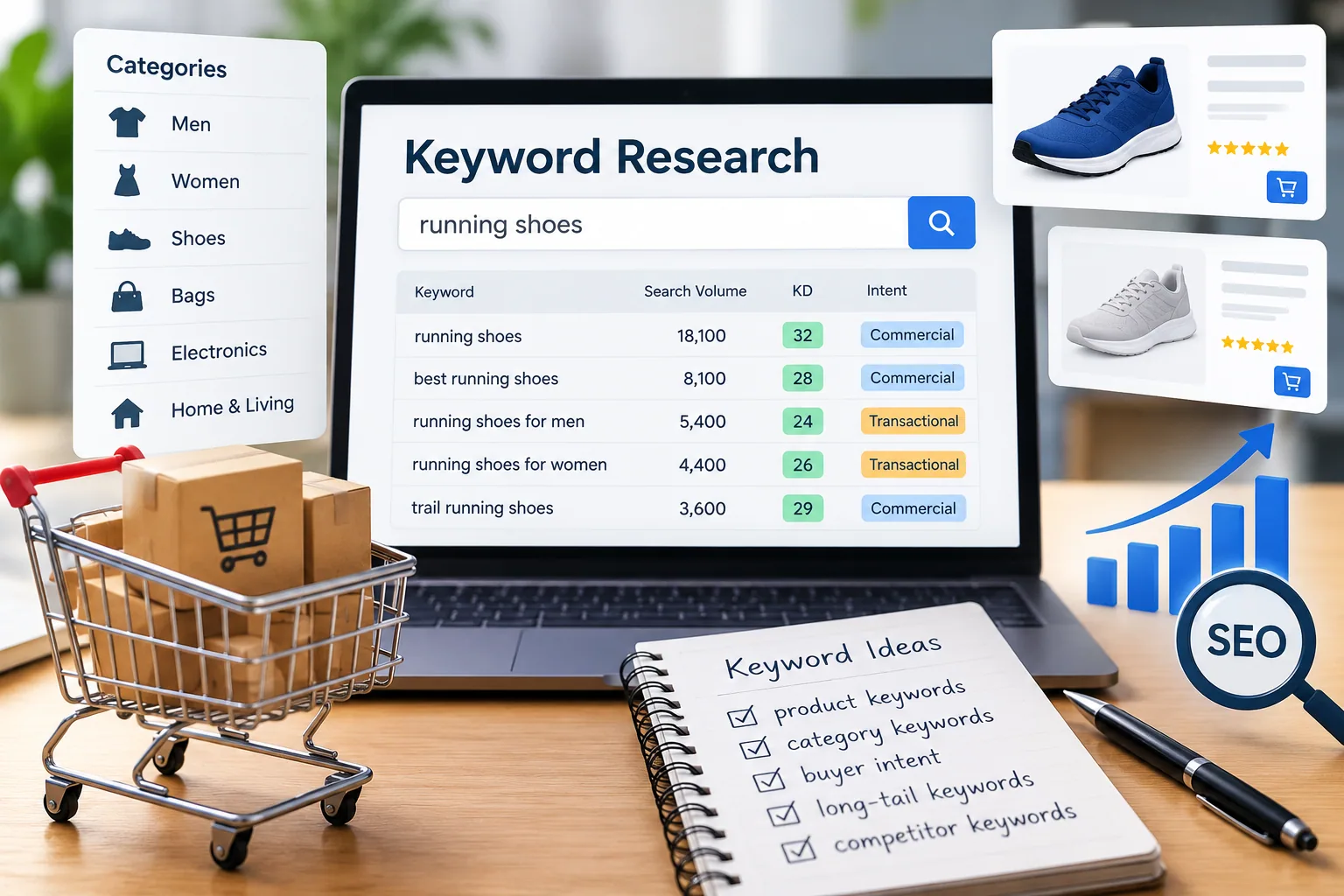
- Focus on Content Relevance: Tailor your content to address the needs of your target audience. Start by conducting keyword research to identify low-competition keywords and long-tail phrases that align with user intent.
- Build Content Clusters: Use pillar pages that serve as comprehensive hubs for broader topics, linking to more specific subtopic articles. This structure improves internal linking and strengthens your link profile.
- Content Freshness: Regularly update blog posts and product pages to maintain E-E-A-T (Experience, Expertise, Authoritativeness, Trustworthiness). Updating content signals search engines that your site remains relevant and valuable.
“Content that resonates with readers will naturally attract backlinks and social signals, both of which contribute significantly to domain authority.”
To see how professional content optimization services can transform your website, explore our services.
2. Enhancing Technical SEO and User Experience
Technical SEO is the backbone of any high-performing website. A seamless user experience (UX) not only boosts rankings but also reduces bounce rates, which impacts your overall SERP visibility.
Technical SEO Essentials:
- Mobile Optimization: Ensure your site is fully responsive. With mobile-first indexing, Google prioritizes the mobile version of your site when determining rankings.
- Page Load Speed: Optimize images and minimize HTTP requests to reduce loading times. Tools like Google’s PageSpeed Insights can help identify performance bottlenecks.
- Indexability and Sitemap Submission: Use a clean, hierarchical website structure and submit XML sitemaps to search engines for efficient crawling and indexing.
- Structured Data (Schema Markup): Enhance how your site appears on SERPs by implementing schema for products, reviews, and FAQs. This improves CTR and helps with voice search optimization.
Improve Navigation:
- Use descriptive anchor text for internal links to guide users effectively through your site. For instance, you can guide users to a freeaudit to evaluate your website’s SEO health.
3. Building a Robust Backlink Profile
A strong link profile is a cornerstone of domain authority. Quality matters far more than quantity when it comes to backlinks.
Strategies for Acquiring High-Quality Backlinks:
- Leverage Digital PR: Collaborate with journalists and bloggers to gain mentions and citations on high-authority sites.
- Broken Link Building: Identify broken links on relevant sites and suggest your content as a replacement.
- Guest Blogging: Contribute insightful posts to industry-specific blogs to gain backlinks and establish credibility.
- Nofollow Links and Diversity: A healthy mix of nofollow and dofollow links from various root domains strengthens your backlink strategy.
To uncover areas for improvement in your link-building efforts, sign up for a freeaudit.4. Optimizing Metadata and Structured Data
Metadata is your website’s first impression on search engines and users alike. Thoughtfully optimized title tags, meta descriptions, and headers can improve your click-through rate (CTR) while ensuring that your pages align with user intent.
Metadata Best Practices:
- Title Tags: Include primary keywords naturally, keeping titles under 60 characters to prevent truncation in search results. For example, a title like “10 Proven Ways to Boost SEO and Domain Authority” attracts clicks with actionable promises.
- Meta Descriptions: Provide concise summaries of each page's content, using compelling language to drive engagement. Stick to 155-160 characters.
- Header Tags: Use H1, H2, and H3 tags strategically to create a clear hierarchy of information. This improves readability and on-page SEO.
Structured Data for Enhanced Visibility:
By implementing schema markup, you can provide search engines with context about your content, enhancing how it appears on search engine results pages (SERPs). This may lead to rich snippets, which increase visibility and CTR. Examples include:
- Product Schemas: Showcase your products with prices, ratings, and availability.
- FAQ Schemas: Answer common questions directly within SERPs.
- Breadcrumb Navigation: Improve navigation for users and search engines alike.
Pro Tip: Use Google’s Structured Data Testing Tool to ensure your schema is correctly implemented.
If you’re unsure where to begin with metadata or structured data, check out our services for expert guidance.
5. Disavowing Toxic Links
While acquiring quality backlinks is crucial, harmful or spammy links can undermine your domain authority. These links often come from untrustworthy sources, leading to a higher spam score and negatively affecting your site’s credibility.
Steps to Clean Your Backlink Profile:
- Audit Your Backlinks: Use tools like Moz or Ahrefs to identify toxic links.
- Disavow Harmful Links: Submit a disavow file via Google Search Console to ignore spammy links that can’t be removed manually.
- Build a Stronger Link Profile: Replace toxic links with high-quality backlinks by focusing on reputable domains and creating link-worthy content.
Maintaining a clean link profile is vital for sustaining a competitive domain rating and MozTrust score.
6. Leveraging AI-Driven SEO Analysis
Artificial Intelligence (AI) has transformed how SEO strategies are planned and executed. By leveraging AI-powered tools, you can uncover actionable insights faster and optimize your efforts more effectively.
Benefits of AI in SEO:
- Keyword Insights: AI tools analyze search trends to suggest untapped long-tail keywords with low competition.
- Content Analysis: AI evaluates existing content for gaps and suggests improvements to align with user intent.
- Competitor Analysis: Track competitors’ rankings, backlinks, and engagement metrics to refine your strategy.
- Performance Predictions: AI models can forecast how changes to your SEO strategy might impact traffic and rankings.
Adopting AI-driven SEO analysis ensures your site stays ahead of evolving search algorithms and trends. For hands-on support, explore the options available on our homepage.
7. The Power of Internal Linking
Strategic internal linking ties your website’s content together, improving navigation for users and indexing for search engines.
Effective Internal Linking Techniques:
- Connect Related Pages: Link collection pages to individual product pages to guide users through the buyer’s journey.
- Anchor Text Optimization: Use descriptive and keyword-rich anchor text for context, avoiding generic phrases like “click here.”
- Prioritize High-Authority Pages: Link frequently to your top-performing pages to distribute link juice and enhance their rankings.
For a seamless experience, explore our curated collection of services designed to help you optimize internal linking and more.
8. Establishing Brand Authority
A strong brand authority is the cornerstone of long-term SEO success. When your brand is recognized as an expert in its niche, it not only attracts loyal customers but also earns trust from search engines.
How to Build Brand Authority:
- Publish Authoritative Content: Focus on creating evergreen content that provides value over time. Case studies, in-depth guides, and industry reports are excellent examples.
- Engage in Thought Leadership: Contribute guest articles to reputable publications or host webinars to showcase expertise.
- Leverage Social Proof: Highlight testimonials, reviews, and case studies on your website to build credibility.
- Develop a Consistent Voice: Maintain a consistent tone and style across all content to strengthen your brand identity.
“When your brand is synonymous with expertise and reliability, it becomes a natural choice for both users and search engines.”
To start building your brand authority today, consider a freeaudit to assess your current positioning.
9. Harnessing the Power of Social Signals
Social signals—engagement metrics such as likes, shares, and comments on social media platforms—play a significant role in enhancing your website’s visibility and authority. While social signals may not directly impact rankings, they amplify your content's reach and foster referral traffic.
Best Practices for Social Signals:
- Share Consistently: Post valuable content regularly on platforms like LinkedIn, Facebook, and Twitter to drive engagement.
- Encourage Sharing: Use visually appealing media optimization techniques (e.g., optimized images, videos, and infographics) to increase shareability.
- Leverage User-Generated Content: Showcase posts, reviews, and testimonials from your audience to enhance authenticity.
- Monitor Performance: Use tools like Google Analytics to measure traffic originating from social channels and adjust your strategy accordingly.
By integrating social media into your broader SEO strategy, you create a feedback loop that amplifies visibility and strengthens your site’s overall authority.
10. Optimizing for Voice Search
The rise of digital assistants like Alexa and Siri has made voice search optimization essential for modern SEO strategies. Voice queries often differ from text searches, making it critical to adapt your content accordingly.
Voice Search Optimization Tips:
- Focus on Long-Tail Keywords: Incorporate natural, conversational phrases into your content that align with how users speak.
- Answer Questions Directly: Create content that provides concise answers to common questions. FAQ pages are particularly effective.
- Local SEO Optimization: Voice search queries often include local intent, such as “near me” searches. Ensure your business’s name, address, and phone number (NAP) are consistent across all platforms.
- Enhance Mobile Experience: Voice searches are predominantly conducted on mobile devices, so a mobile-optimized website is essential.
“Voice search optimization isn’t just about ranking—it’s about being the first and only answer to a query.”
11. Measuring Success and Adapting Strategies
SEO isn’t a one-and-done effort; it requires consistent tracking and iteration. Utilize tools like Google Analytics and Moz to monitor your progress and refine your strategy.
Metrics to Track:
- Organic Traffic: Measure the volume and quality of traffic arriving through search engines.
- Bounce Rate and Engagement: Keep tabs on how long users stay on your site and how many pages they visit.
- Domain Authority and Page Authority: Track improvements in these metrics as you implement link-building and content strategies.
- CTR (Click-Through Rate): Monitor how often your pages are clicked on SERPs relative to their impressions.
- Keyword Rankings: Evaluate your position for target keywords over time.
For a comprehensive analysis of your current performance, explore our services tailored to SEO success.
The Bottom Line: A Cohesive Approach
Effectively boosting your website's SEO ranking and domain authority requires a multi-faceted approach. By focusing on content quality, technical optimization, backlink acquisition, and user engagement, you can elevate your website’s visibility and credibility. Remember, SEO is a marathon, not a sprint—patience and consistency are key.
Start your journey toward improved SEO and domain authority by visiting EasyEcommerceMarketing and taking advantage of our freeaudit.Frequently Asked Questions (FAQ)
1. How long does it take to see improvements in SEO ranking and domain authority?
SEO and domain authority improvements are gradual processes. For most websites, significant results can be seen within 3 to 6 months with consistent effort. Domain authority may take longer to increase, as it depends on earning quality backlinks, content consistency, and technical improvements.
2. Do social media shares directly impact my SEO rankings?
While social media shares do not directly influence SEO rankings, they generate social signals that amplify content visibility and drive referral traffic. This increased exposure often leads to more backlinks and engagement, which indirectly improve SEO.
3. What role does mobile optimization play in SEO?
With mobile-first indexing, Google prioritizes mobile-friendly websites for indexing and ranking. Ensuring your site performs well on mobile devices improves your user experience (UX) and helps maintain a competitive edge in search results.
4. Is it better to focus on on-page SEO or off-page SEO first?
Both are essential, but it’s generally best to start with on-page SEO. Optimizing your site’s structure, content, and metadata lays a strong foundation for attracting and retaining users. Once your site is optimized, you can focus on off-page SEO strategies like link-building and digital PR.
5. What is a healthy bounce rate, and how does it impact SEO?
A bounce rate under 40-55% is generally considered healthy, though this can vary by industry. A high bounce rate can indicate poor user experience or irrelevant content, which negatively impacts rankings. Improving navigation, content relevance, and page load speed can help lower bounce rates.
6. Should I prioritize building backlinks from high-DA websites only?
While backlinks from high-domain authority (DA) websites are valuable, it’s also important to maintain a diverse link profile. Acquiring backlinks from relevant, niche websites—even those with moderate DA—can boost your link equity and domain authority over time.
7. How can I identify and fix duplicate content issues?
Use tools like Siteliner or Google Search Console to identify duplicate content on your site. Consolidate duplicate pages through 301 redirects or merge similar content into a single, comprehensive resource. Ensuring unique and valuable content strengthens your site’s indexability.
8. What are the risks of buying backlinks to boost SEO?
Buying backlinks violates Google’s Webmaster Guidelines and can result in penalties or even removal from search results. Instead, focus on earning backlinks through quality content, outreach, and relationship building for sustainable SEO gains.
9. How do voice search trends affect keyword research?
Voice search queries tend to be more conversational and question-based. Incorporate long-tail keywords and natural language phrases into your content. Focus on answering specific questions directly and optimizing for FAQ-rich snippets.
10. Is HTTPS important for SEO and domain authority?
Yes, implementing HTTPS ensures your website is secure, which is a ranking factor for Google. A secure site builds user trust, reduces bounce rates, and signals credibility to search engines, positively influencing both SEO rankings and domain authority.