What Is The Primary Purpose Of SEO?
Unlocking the True Potential of SEO
Search Engine Optimization (SEO) is more than just ranking higher on Google. It’s about visibility, credibility, and long-term growth for your business. A well-executed SEO strategy ensures that your website appears in front of the right audience when they need your products or services the most.
At its core, SEO is about organic search traffic—visitors who find your website naturally through search engines without paid advertising. This not only reduces customer acquisition costs but also builds web authority and trust over time.
Key elements of SEO include:
- On-page SEO: Optimizing content, meta tags, and user experience for search engines and visitors.
- Off-page SEO: Strengthening your website’s authority through link building and brand mentions.
- Technical SEO: Improving site structure, crawling, indexing, and page speed.
- Content marketing: Creating valuable and relevant content to attract and engage users.
An effective SEO strategy focuses on more than just search engine rankings; it enhances user experience (UX), increases conversion rates, and improves brand visibility. This article will explore these aspects in-depth, helping you understand why SEO is not just an option but a necessity in today’s digital marketplace.
The Foundations of SEO: More Than Just Keywords
Many businesses believe that SEO is just about stuffing keywords into content—but this couldn’t be further from the truth. Modern SEO is a multi-faceted approach that aligns with both search engine algorithms and user behavior.
1. Understanding Search Engine Algorithms
Search engines like Google use complex algorithms to determine how websites rank on Search Engine Results Pages (SERPs). These algorithms consider:
- Relevance: How well your content matches the search query.
- Authority: The credibility of your website based on backlinks and domain trustworthiness.
- User Experience (UX): How well your website functions, including mobile-friendliness and Core Web Vitals.
2. The Role of Crawling and Indexing
Before your site can appear in search results, it must be crawled and indexed by search engine bots. If your pages aren’t properly indexed, they won’t show up in search results—no matter how great your content is.
To ensure your site is indexed correctly, it’s essential to:
- Use structured data (schema markup) to help search engines understand your content.
- Optimize your meta tags (title tag, meta description) for relevance and clarity.
- Submit your site to Google Search Console to monitor its performance.
3. On-Page SEO: The Art of Optimization
On-page SEO involves fine-tuning your website’s content, structure, and technical elements to maximize visibility. This includes:
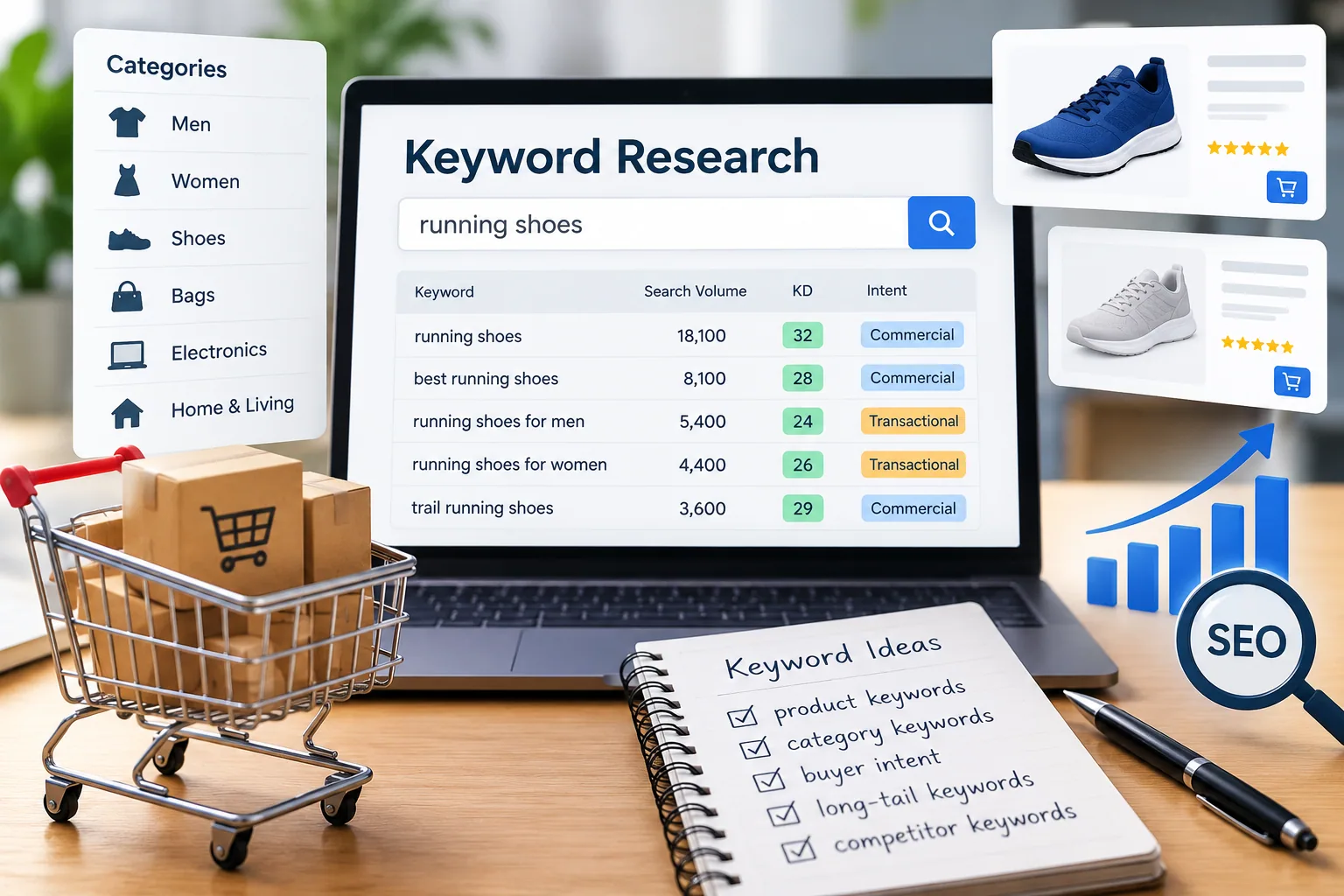
- Keyword research: Identifying the terms your audience is searching for.
- Optimizing content: Ensuring every page offers quality content aligned with search intent.
- Enhancing internal linking: Connecting related pages for better site navigation and indexing.
For example, if you’re looking to improve your SEO strategy, a free SEO audit can identify technical issues and optimization opportunities.
The Business Impact of SEO: Why It Matters
SEO isn’t just about traffic—it’s about driving the right kind of traffic. When done correctly, SEO can significantly increase conversion rates by attracting highly targeted visitors who are already interested in your offerings.
1. SEO vs. Pay-Per-Click (PPC): A Long-Term Investment
Many businesses rely on Pay-Per-Click (PPC) advertising, but while PPC delivers instant results, SEO builds sustainable traffic over time. Unlike paid ads, where traffic stops the moment you stop paying, organic search continues to generate visitors for months or even years after the initial effort.
2. Enhancing Brand Visibility and Trust
Ranking at the top of search results doesn’t just drive clicks—it also builds credibility. Users tend to trust organic search results more than paid ads, which means an effective SEO strategy can position your brand as an authority in your industry.
“SEO is not just about ranking #1—it’s about being the most trusted source of information in your niche.”
3. The Power of Local SEO
For businesses targeting local customers, Local SEO is essential. By optimizing for Google My Business, local keywords, and customer reviews, businesses can dominate local search results and attract nearby customers searching for their services.
If your business is looking to improve local search visibility, check out our SEO services for tailored strategies that drive results.
The Long-Term Benefits of SEO: Why It’s a Game-Changer
SEO is not a quick fix—it’s a long-term investment that continues to deliver results long after the initial effort. Unlike traditional advertising, where visibility disappears as soon as the budget runs out, organic search traffic grows over time, leading to sustained brand awareness and customer acquisition.
By prioritizing SEO best practices, businesses can:
- Reduce dependence on paid ads while still driving traffic.
- Strengthen domain authority and build credibility with search engines.
- Improve user engagement by delivering highly relevant content to visitors.
In this section, we’ll explore how SEO fuels long-term business growth and why it’s one of the most powerful marketing strategies available today.
Building Authority: Why Search Engines Reward Trustworthy Websites
Search engines don’t just rank websites based on keywords and backlinks—they also evaluate how trustworthy and authoritative a website is. This is where E-A-T (Expertise, Authoritativeness, Trustworthiness) comes into play.
1. The Role of E-A-T in SEO Success
Google prioritizes content that demonstrates expertise in its subject matter, authoritativeness in its niche, and trustworthiness as a source. Websites that fail to meet these criteria often struggle to rank, no matter how well-optimized their pages are.
To enhance your website’s E-A-T score, focus on:
- Publishing high-quality content backed by research, data, and industry expertise.
- Building authoritative backlinks from reputable sources.
- Improving brand mentions across the web to establish credibility.
One way to assess your current SEO performance and trustworthiness is through a free SEO audit, which can highlight areas for improvement.
2. Why Backlinks Matter for Authority
Backlinks, also known as link building, play a crucial role in determining a website’s authority. A backlink is like a vote of confidence from another website, signaling to search engines that your content is valuable and credible.
However, not all backlinks are equal. High-quality backlinks come from:
- Industry-leading websites that are already trusted by Google.
- Relevant sources that align with your niche.
- Content that is frequently shared and cited by others.
Avoid spammy or low-quality links, as these can harm your domain trustworthiness and even result in search engine penalties.
Technical SEO: The Hidden Powerhouse of Search Optimization
While on-page SEO and content marketing get the most attention, technical SEO is the backbone that ensures your site runs smoothly and is easily understood by search engines.
1. The Importance of Website Speed & Core Web Vitals
Google’s Core Web Vitals measure key elements of user experience (UX), including:
- Page speed optimization (how fast your site loads).
- Mobile-friendliness (how well it performs on smartphones).
- Visual stability (ensuring elements don’t shift unexpectedly).
A slow-loading website increases bounce rate, reducing engagement and click-through rate (CTR). To improve this, consider:
- Compressing images and reducing file sizes.
- Minimizing unnecessary code and scripts.
- Using a fast and reliable hosting provider.
2. Structured Data & Indexing Priority
To improve search engines’ understanding of your content, structured data (schema markup) is essential. This helps Google display rich snippets, such as:
- Featured snippets (answer boxes at the top of search results).
- Knowledge panels (business or brand information boxes).
- People Also Ask sections (common user questions related to a topic).
Properly structured data enhances indexing priority, making it easier for search engines to rank your content accurately.
To ensure your site is indexed correctly, consider using Google Search Console to monitor and fix any crawling errors.
3. Mobile Optimization: A Must-Have for SEO
With over 60% of searches happening on mobile devices, Google now follows a mobile-first indexing approach. This means:
- Your mobile version of the site is the primary version Google considers for ranking.
- If your site isn’t mobile-friendly, it will struggle to rank—even on desktop searches.
To check if your site meets mobile standards, test it with Google’s Mobile-Friendly Test or consult with SEO professionals for optimization services.
Content Strategy: The Heart of SEO
A successful SEO strategy goes beyond keywords—it’s about delivering valuable, engaging content that aligns with search intent.
1. Why Content Freshness Matters
Google rewards fresh content, particularly for topics that require frequent updates, such as:
- Industry trends & news.
- Evolving SEO practices (e.g., Google’s Core Updates).
- Product updates and reviews.
Regularly updating old blog posts and pages ensures your content remains relevant and competitive in search rankings.
2. Long-Tail Keywords: The Secret to Ranking Faster
While short, generic keywords are highly competitive, long-tail keywords (three or more words) allow businesses to target specific search queries with less competition.
For example, instead of optimizing for:
- "SEO tips" (highly competitive)
Target:
- "SEO tips for small eCommerce businesses" (less competitive but highly relevant).
By focusing on long-tail keywords, you can attract more qualified traffic that is likely to convert.
3. The Role of Social Media in SEO
While social signals (likes, shares, and comments) aren’t direct ranking factors, they increase brand visibility and drive referral traffic.
- A widely shared blog post gets more organic backlinks.
- A strong social presence improves brand recognition, indirectly influencing search performance.
For businesses looking to maximize online exposure, integrating social media SEO into their strategy is essential.
SEO is a Continuous Process, Not a One-Time Fix
Many businesses make the mistake of treating SEO as a one-time project rather than an ongoing strategy. With Google’s algorithm updates constantly evolving, staying ahead requires:
✔ Regular SEO audits to identify weaknesses.
✔ Competitor analysis to refine your strategy.
✔ Content updates & refreshes to maintain rankings.
✔ Technical optimizations to enhance site performance.
If you want to stay ahead of your competition, consider getting a free SEO audit to uncover areas for growth.
SEO as a Competitive Advantage
In today’s digital world, SEO is more than just an optimization strategy—it’s a competitive advantage. Businesses that prioritize search engine visibility gain a sustainable source of organic traffic, allowing them to outpace competitors who rely solely on paid ads or outdated marketing tactics.
Unlike Pay-Per-Click (PPC) campaigns, which require continuous investment, SEO builds momentum over time. Once a website ranks well for relevant search queries, it attracts visitors consistently, reducing customer acquisition costs and increasing long-term profitability.
This final section will explore the ROI of SEO, how to measure success, and the future of search optimization.
Measuring SEO Success: How to Track Performance
An effective SEO strategy isn’t just about ranking higher—it’s about achieving measurable business results. To gauge success, businesses should track key performance indicators (KPIs) that reflect organic growth and engagement.
1. Essential SEO Metrics to Monitor
To determine whether your SEO efforts are working, pay attention to:
- Organic Traffic – The number of visitors arriving from search engines.
- Click-Through Rate (CTR) – The percentage of users clicking on your link from Search Engine Results Pages (SERPs).
- Bounce Rate – How often users leave your site without taking action. A high bounce rate suggests poor user experience (UX) or irrelevant content.
- Conversion Rate – The percentage of visitors completing desired actions, such as purchases, sign-ups, or inquiries.
- Keyword Rankings – Where your pages appear in search engine rankings for target keywords.
- Backlinks & Domain Authority – The number and quality of external websites linking to yours, boosting credibility and trust.
For businesses looking for a comprehensive SEO evaluation, a free audit can uncover strengths, weaknesses, and opportunities for improvement.
2. Tools for SEO Performance Tracking
To keep track of SEO performance, utilize analytics and reporting tools such as:
- Google Analytics – Tracks user behavior, traffic sources, and conversion data.
- Google Search Console – Provides insights into indexing status, search performance, and technical SEO issues.
- SEO auditing software – Tools like SEMrush, Ahrefs, and Moz help analyze competitor performance and backlink profiles.
The Future of SEO: What Lies Ahead?
SEO is constantly evolving, and businesses must adapt to stay relevant. Google’s Core Updates, AI-driven search results, and semantic search are shaping the future of organic rankings.
1. AI & Machine Learning in SEO
Google’s AI-powered algorithms—such as BERT, RankBrain, and AI Overviews—are making search results more context-aware and intent-focused. This means:
- Keyword stuffing is obsolete—search engines now prioritize natural language and search intent.
- Content relevance is key—pages must answer users’ queries comprehensively.
- Voice search is growing—businesses should optimize for conversational, long-tail keywords.
2. The Rise of Zero-Click Searches
Not all search traffic results in website visits. Zero-click searches occur when Google answers a query directly on the search results page, eliminating the need to click on a website.
To remain visible in zero-click search results, businesses should:
✔ Optimize for featured snippets and People Also Ask sections.
✔ Use structured data (schema markup) to enhance search visibility.
✔ Focus on brand mentions across high-authority platforms.
3. The Role of Automation in SEO
SEO automation is transforming how businesses manage optimization. AI-driven tools can:
- Automate keyword research and competitor analysis.
- Predict ranking opportunities based on historical data.
- Optimize content dynamically for better engagement.
Businesses that embrace automation will be able to scale their SEO strategies faster and more efficiently.
Final Thoughts: Why SEO is Non-Negotiable
The primary purpose of SEO isn’t just about search engine rankings—it’s about creating a sustainable digital presence that attracts, engages, and converts users.
✔ SEO builds credibility by aligning with Google’s E-A-T (Expertise, Authoritativeness, Trustworthiness) guidelines.
✔ It reduces reliance on paid advertising by generating consistent organic traffic.
✔ It enhances user experience, making websites more accessible, relevant, and engaging.
In today’s highly competitive digital landscape, businesses that invest in SEO gain a long-term advantage over those who don’t.
For those looking to refine their SEO strategy, an expert consultation can provide tailored insights. Explore our SEO services to take your search visibility to the next level.
FAQ: Common Questions About SEO and Its Purpose
1. How long does it take to see results from SEO?
SEO is a long-term strategy, and results vary based on factors like competition, website authority, and content quality. Generally, businesses start seeing improvements within 3-6 months, but significant gains may take 6-12 months or longer.
2. Is SEO only for Google, or does it work for other search engines?
While Google dominates the search market, SEO also improves rankings on Bing, Yahoo, DuckDuckGo, and even search functions on platforms like YouTube and Amazon. Optimizing for multiple search engines increases visibility across different audiences.
3. Can a business stop SEO once it ranks at the top?
No. SEO requires ongoing effort because:
- Search engine algorithms change frequently (e.g., Google’s Core Updates).
- Competitors are constantly optimizing to outrank you.
- Content freshness matters—outdated information can lead to ranking drops.
Maintaining top rankings requires consistent updates, backlink management, and technical SEO improvements.
4. Does social media impact SEO rankings?
Social media does not directly influence rankings, but it helps by:
✔ Increasing brand visibility and driving referral traffic.
✔ Generating brand mentions, which Google considers a trust signal.
✔ Encouraging natural backlinks when shared widely.
5. What’s the difference between white-hat and black-hat SEO?
- White-hat SEO follows search engine guidelines and focuses on organic growth through quality content and ethical practices.
- Black-hat SEO uses manipulative tactics like keyword stuffing, link farming, and cloaking, which can lead to Google penalties.
Always prioritize white-hat strategies for long-term success.
6. How does local SEO differ from traditional SEO?
Local SEO optimizes a business’s online presence for geo-targeted searches, helping attract customers within a specific area. This includes:
- Google My Business optimization
- Local keyword targeting (e.g., “best coffee shop in New York”)
- Customer reviews and local citations
Traditional SEO focuses on global or national visibility, whereas local SEO targets nearby customers.
7. Can small businesses compete with large companies in SEO?
Yes. While big brands have resources, small businesses can:
✔ Target niche, long-tail keywords with lower competition.
✔ Build local SEO authority by focusing on community engagement.
✔ Leverage content marketing and social signals to grow visibility.
A well-planned SEO strategy can help small businesses compete effectively.
8. How does mobile-friendliness impact SEO?
Google uses mobile-first indexing, meaning it primarily ranks websites based on their mobile version. A non-mobile-friendly website can:
❌ Have a high bounce rate due to poor user experience.
❌ Rank lower in mobile searches, reducing organic traffic.
❌ Load slowly, which negatively affects Core Web Vitals.
Optimizing for mobile responsiveness, fast loading times, and easy navigation is essential.
9. What are the most common SEO mistakes businesses make?
The biggest SEO mistakes include:
- Ignoring technical SEO (slow loading speeds, broken links).
- Keyword stuffing instead of focusing on natural content flow.
- Neglecting backlink quality, leading to low domain authority.
- Not optimizing for user experience (UX), leading to low engagement.
- Forgetting local SEO, missing out on potential customers.
10. Is it possible to do SEO without hiring an expert?
Yes, but SEO is complex and requires continuous learning. Business owners can manage basic SEO, such as:
✔ Writing high-quality content.
✔ Optimizing meta tags and images.
✔ Using Google Search Console to monitor performance.
However, for technical SEO, link building, and competitive analysis, hiring SEO experts or using professional SEO services can deliver better and faster results.