Which Are The Best SEO Strategies?
Optimizing your website for search engines is no longer a luxury—it’s a necessity for standing out in the competitive online landscape. From mastering keyword research to leveraging advanced technical SEO, implementing a robust strategy can help your site achieve higher rankings on Search Engine Results Pages (SERPs), drive organic traffic, and convert visitors into loyal customers.
In this guide, we’ll explore time-tested and emerging SEO strategies designed to enhance your website’s performance. Whether you're focused on refining on-page SEO or planning a content refresh, you'll find practical advice to elevate your digital presence.
Why SEO is Crucial for Your Brand
Search engines are often the primary gateway to your site, with potential customers using them to discover products and services. A strong SEO strategy ensures that your website is visible and ranks highly for relevant search queries. It not only increases organic traffic but also establishes your brand's authority and trustworthiness through practices like E-A-T (Expertise, Authority, Trustworthiness).
Your focus should extend beyond ranking higher. It’s about creating an experience that satisfies search intent while aligning with evolving search algorithms.
“Good SEO is about being useful to your audience, not just gaming the algorithm.” – Easy E-commerce Marketing
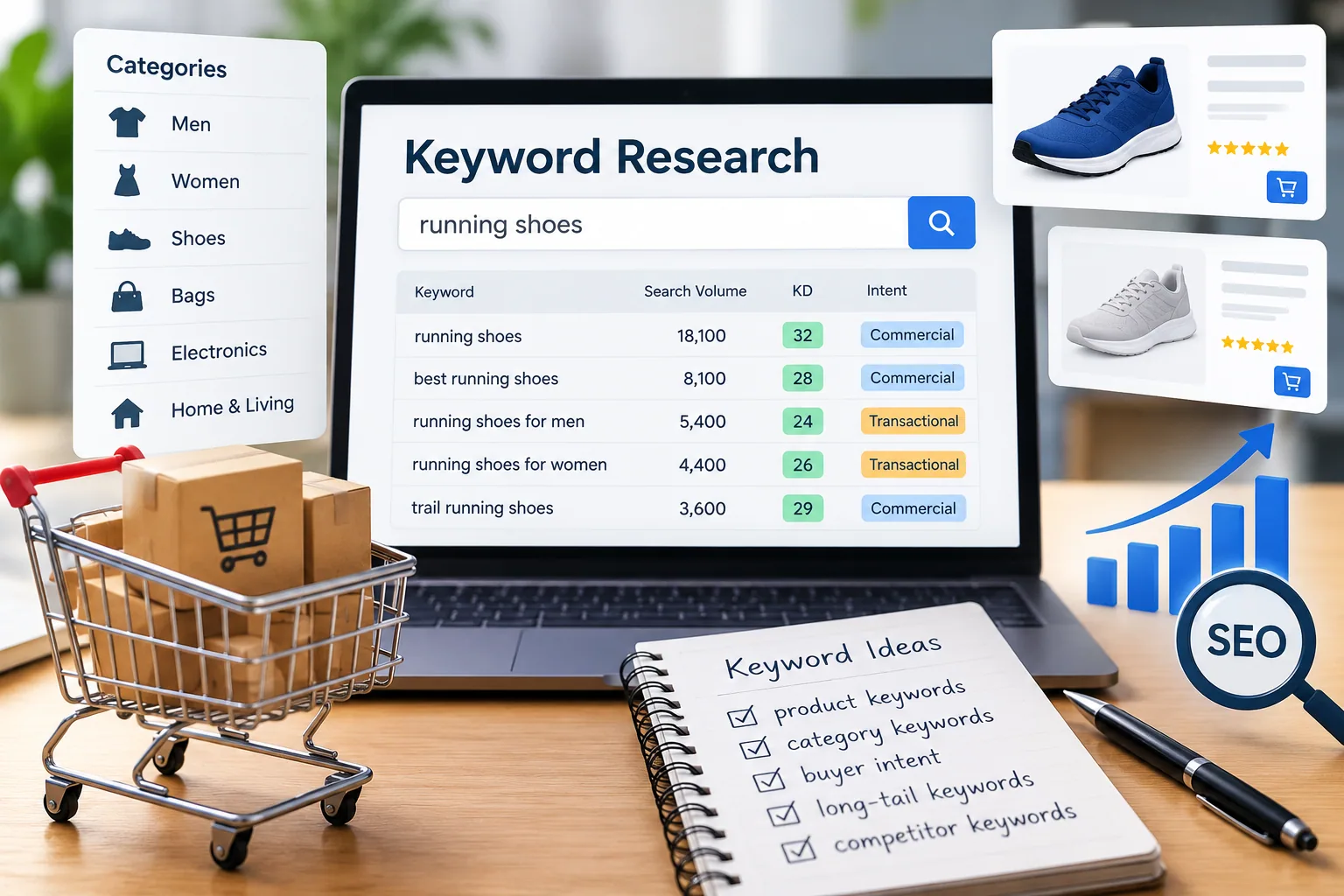
Getting Started with Keyword Research
Keyword research is the foundation of any successful SEO campaign. By identifying and targeting the right terms, you can connect with an audience actively searching for your products or services.
- Start Broad, Then Go Niche
Use SEO tools like SEMrush or Ahrefs to identify short-tail keywords (e.g., "SEO tools") and long-tail keywords (e.g., "best SEO tools for e-commerce brands"). Long-tail keywords often have lower competition and higher conversion rates. - Analyze Competitors
Research your competitors’ top-performing keywords to discover gaps in your strategy. This process is critical for uncovering new opportunities and refining your focus. - Track and Adjust
Incorporate search analytics into your workflow. Platforms like Google Search Console offer insights into search performance, helping you adapt your strategy over time.
Building a Strong On-Page SEO Framework
On-page SEO revolves around optimizing individual pages to make them more search-engine-friendly. Here's how to implement a winning on-page SEO framework:
- Write Compelling Meta Tags
Your title and meta description are the first things users see on SERPs. Use engaging language and include primary keywords naturally. - Optimize Headers and Subheadings
Structure your content with clear H1, H2, and H3 tags. Include variations of your target keywords to strengthen topical relevance. - Image Optimization
Use alt text to describe images for accessibility and SEO purposes. Compress images to improve page speed, a key ranking factor. - Internal Linking
Create a network of internal links to guide users through your site and distribute link equity. For example, link to your services page when discussing solutions offered by your brand.
Enhancing Off-Page SEO
While on-page SEO gets your site ready, off-page SEO builds its reputation. Backlink building, digital PR, and brand mentions all contribute to your website's authority.
Techniques for Effective Off-Page SEO
- Earn Quality Backlinks
Use outreach campaigns to request backlinks from authoritative sites. Focus on content that's valuable enough to attract natural links. - Leverage Digital PR
Craft newsworthy content to gain exposure on reputable platforms. This can include case studies, white papers, or industry insights. - Encourage Social Sharing
Social media signals play a role in SEO. By creating shareable content, you increase the likelihood of earning backlinks and reaching new audiences.
Pro Tip: Regularly monitor your backlink profile using tools like Ahrefs to identify and disavow toxic links.
Mastering Technical SEO
Technical SEO ensures that your site performs well from a structural and functional perspective. Here's what to focus on:
- Improve Page Speed
Use tools like Google PageSpeed Insights to identify and fix performance issues. Compress files, enable browser caching, and consider using a Content Delivery Network (CDN). - Implement Schema Markup
Adding structured data helps search engines better understand your content and can enhance your SERP presence with rich snippets. - Optimize for Core Web Vitals
Google evaluates page experience using metrics like Largest Contentful Paint (LCP) and Cumulative Layout Shift (CLS). Prioritize fast loading and stable page layouts. - Ensure Mobile Optimization
As mobile-first indexing becomes standard, your site must deliver a seamless experience on all devices.
Creating Content Clusters and Topic Optimization
Content clusters are at the heart of a modern SEO strategy. Instead of focusing on individual keywords, this approach groups related content around a central "pillar" topic to build authority and drive deeper engagement.
How to Build Effective Content Clusters
Start with a Pillar Page
Identify broad topics relevant to your audience. For instance, a pillar page on "SEO for E-commerce" could cover subtopics like keyword research, technical SEO, and local SEO.Example: Link your free audit page when discussing your services in the context of a larger SEO framework.
Develop Cluster Content
Create blog posts or landing pages that explore narrower, related subtopics. Use internal links to connect these pages back to the pillar page.Subtopics for "SEO for E-commerce" might include:
- "How to Optimize Meta Tags for E-commerce Sites"
- "Best Practices for Mobile Optimization in E-commerce"
- "The Role of Voice Search in Online Shopping"
Internal Linking Structure
Use strategic internal links to guide users and help search engines understand relationships between content. Internal links signal authority and encourage readers to explore your site further.Example:
- On a post about "Technical SEO," link naturally to a pillar page discussing your broader "SEO services."
Benefits of Content Clusters
- Enhanced Search Intent Satisfaction
Grouping related content ensures that your site meets various layers of user intent, from general curiosity to transactional needs. - Higher SERP Rankings
When clusters are well-organized, search engines view your site as a comprehensive resource, boosting rankings for competitive terms.
Refreshing and Reoptimizing Content
SEO is not a one-time effort. Regularly revisiting older content is essential to maintaining relevance and performance.
Steps to Refresh Content
- Audit Your Existing Pages
Use tools like Google Search Console to identify pages with declining traffic or outdated information. - Update with Fresh Insights
Incorporate recent data, new examples, or updates in SEO practices. For example, include a section on AI-driven SEO if it’s relevant to your audience. - Optimize for Emerging Trends
Check for opportunities to add keywords related to trends like voice search, schema markup, or seasonal SEO planning. - Improve User Experience (UX)
Revise the layout and design of older posts to match current content standards. Add visuals like infographics, tables, or video embeds to make the content more engaging.
Pro Tip: Use analytics to identify content that’s already performing well, then strategically refresh it for an additional traffic boost.
Leveraging Advanced SEO Techniques
To stay competitive, it’s vital to adopt advanced strategies that go beyond the basics.
Advanced Strategies to Consider
- AI-Driven SEO
Use AI tools to generate content outlines, predict search behavior, or identify underutilized keywords. This technology helps streamline workflows and uncover hidden opportunities. - Voice Search Optimization
Optimize for conversational keywords and natural language queries. Structure content with FAQs and use schema markup to increase visibility in voice search results. - Rich Snippets and Structured Data
Implement schema markup to stand out in SERPs with enhanced listings. Rich snippets can improve click-through rates by providing users with immediate answers. - Backlink Gap Analysis
Compare your backlink profile with competitors to identify missing link opportunities. Focus on acquiring backlinks from industry-relevant, authoritative sites. - Monitor Core Web Vitals
Address issues like slow load times and poor interactivity, which can affect rankings and user satisfaction. Ensure compliance with Google's latest benchmarks for optimal performance.
Building Local SEO for Hyper-Targeted Visibility
Local SEO is a game-changer for businesses targeting geographically specific audiences. Here's how to make the most of it:
- Claim Your Business Listings
Ensure your information is accurate on platforms like Google My Business and Yelp. - Target Local Keywords
Use terms like "best SEO tools for small businesses in [City]" to attract location-specific searches. - Encourage Customer Reviews
Positive reviews improve local rankings and build trust. Respond to reviews to enhance engagement.
Understanding User Behavior and Personalization
To achieve SEO success, it's vital to understand how users interact with your site. Tracking and optimizing user behavior metrics ensures you’re meeting expectations while maintaining an edge in a competitive landscape.
Key User Behavior Metrics to Monitor
- Bounce Rate
A high bounce rate signals that visitors are leaving your site without engaging. To reduce this, ensure content aligns with search intent and is visually engaging. - Dwell Time
The longer visitors stay on your page, the better your content aligns with their needs. Focus on creating in-depth, actionable content that captivates users. - Click-Through Rate (CTR)
Monitor CTR for your SERP listings. Optimized meta titles, descriptions, and structured data can significantly boost this metric.
Implementing Content Personalization
Modern SEO strategies demand a personalized user experience to drive deeper engagement.
- Dynamic Content
Use tools to tailor on-page content based on user behavior, preferences, or geographic location. - Email Integration
Combine SEO efforts with email marketing. For example, capture leads through a free offer like your free audit service and follow up with personalized recommendations. - Behavioral Triggers
Adjust calls-to-action (CTAs) or offer pop-ups based on specific user actions, such as time spent on a page.
Seasonal SEO Planning for Strategic Wins
Seasonality can impact search trends, and leveraging these changes can provide significant boosts to your organic traffic.
Tips for Seasonal Optimization
- Research Seasonal Keywords
Identify search patterns that align with seasonal events relevant to your audience. For instance, e-commerce brands might focus on "holiday shopping SEO strategies." - Plan Content Early
Publish seasonal content well before the event to allow search engines time to index it. - Update Product Pages
Highlight seasonal promotions or create dedicated pages, ensuring you optimize meta tags and visuals for maximum impact.
Tying It All Together: A Cohesive SEO Strategy
At this point, we’ve covered the foundational and advanced techniques to answer the critical question: “Which are the best SEO strategies?” Building a successful SEO framework requires combining these elements into a cohesive approach.
Final Steps to SEO Success
- Audit and Adapt Regularly
Continuously monitor your strategy’s performance using tools like Google Search Console. Adjust based on metrics like organic traffic, SERP rankings, and user behaviour. - Balance Effort Across On-Page and Off-Page SEO
While on-page optimization builds a strong foundation, don’t neglect backlink building and social media signals to boost your domain authority. - Focus on Content Quality
High-quality content should remain at the core of your strategy. Invest in regular updates, thorough research, and effective storytelling. - Invest in Technical Excellence
Ensure your site remains technically sound with robust mobile optimization, core web vital compliance, and structured data. - Encourage Collaboration
SEO isn’t a solo endeavor. Work with marketing, design, and development teams to ensure a unified approach.
Next Steps for Your Business
For tailored strategies and professional support, explore our comprehensive SEO services. If you're looking to get started with actionable insights, claim your free audit today.
By blending technical expertise with a customer-centric focus, your SEO efforts can yield lasting growth, helping you dominate SERPs and captivate your audience.
FAQ: Frequently Asked Questions About SEO Strategies
1. How long does it take for SEO strategies to show results?
SEO is a long-term investment. While some changes, such as improving page speed, may yield quick wins, most strategies take 3 to 6 months to show noticeable results. For competitive industries or high-volume keywords, it can take even longer.
2. Can I do SEO myself, or do I need a professional?
You can start SEO on your own by focusing on the basics like keyword research, on-page optimization, and creating quality content. However, for advanced techniques such as technical SEO, backlink building, or Core Web Vitals improvements, hiring a professional or agency may yield better results.
3. Is paid search (PPC) better than organic SEO?
Paid search (PPC) delivers instant traffic, but it stops as soon as you stop paying. Organic SEO provides sustainable, long-term visibility and is more cost-effective over time. A combination of both can be highly effective, depending on your goals.
4. How often should I update my content for SEO?
Regularly updating your content is essential to maintain its relevance. Audit your content quarterly to identify pages needing updates, refresh old data, and optimize for new keywords or search trends.
5. Are meta tags still important for SEO?
Yes, meta tags like title tags and meta descriptions are crucial. They influence click-through rates (CTR) on Search Engine Results Pages (SERPs) and provide context to search engines about your content.
6. What is the role of AI in modern SEO?
AI tools streamline keyword research, generate content ideas, and analyze user behavior more efficiently. They help identify trends and optimize strategies faster, but human oversight is still essential for creating authentic, high-quality content.
7. How does mobile optimization impact SEO?
With Google’s mobile-first indexing, the mobile version of your site is prioritized for ranking. Poor mobile optimization can lead to lower rankings, higher bounce rates, and lost traffic. Ensure your site is responsive, fast-loading, and user-friendly on all devices.
8. Do backlinks from any site help my SEO?
No, not all backlinks are beneficial. Quality matters more than quantity. Backlinks from authoritative, relevant sites improve your ranking, while links from spammy or low-quality sites can harm your SEO.
9. What’s the difference between local SEO and traditional SEO?
Traditional SEO targets broader search queries, while local SEO focuses on location-specific queries, such as "best coffee shop near me." Local SEO involves optimizing Google My Business listings, collecting local reviews, and targeting location-based keywords.
10. How do social media signals affect SEO?
While social media signals don’t directly impact rankings, they enhance visibility and drive traffic to your site. Engaging content shared on social platforms can lead to backlinks, improve brand awareness, and boost overall SEO efforts.