Why SEO Is Important For Your Web Site?
In today’s digital landscape, harnessing the power of SEO can make or break your website's visibility and success. Search Engine Optimization (SEO) enhances brand visibility on search engine results pages (SERPs), boosts organic search traffic, and helps you connect with your audience at every stage of their journey. This article dives into why SEO is vital for your website, detailing the benefits of improved rankings, brand authority, and user experience while addressing key SEO components like keyword research, content optimization, and link building. We’ll explore how focusing on SEO is a long-term, cost-effective strategy that will help you not only reach but retain your target audience.
Why Does SEO Matter?
With millions of websites competing for attention, ensuring your site stands out is more critical than ever. At its core, SEO is about enhancing your website’s visibility and ensuring it reaches your target audience. When a user searches for products or information, your goal is to appear among the top results on SERPs, which makes users more likely to click on your link and explore what you offer. Higher rankings are closely linked to increased organic search traffic — traffic that comes without paying for ads. For businesses like those at Easy Ecommerce Marketing, SEO is not just an option; it’s a necessity.
SEO offers far more than just better visibility. It’s about building brand authority and customer trust. Google and other search engines use advanced search algorithms to determine which sites offer the most value. By aligning your website with these algorithms through quality content and technical optimization, you’re telling search engines, “This is a reputable site that deserves attention.” This alignment helps your brand appear credible and reliable, enhancing user trust.
Key SEO Benefits for Your Website
Below are some of the central benefits of implementing a strong SEO strategy on your website:
- Improved Visibility and Rankings: Appearing on the first page of search results dramatically increases the likelihood that users will visit your site. Studies show that the first few results get the highest click-through rates (CTR).
- Enhanced User Experience (UX): Search engines prioritize sites that offer a seamless experience, making user-centric design critical. The easier your site is to navigate, the more likely visitors are to engage, and the better you’ll rank.
- Increased Brand Awareness: Each appearance on search results, even if users don’t immediately click, builds brand familiarity. Over time, repeated visibility in search results helps solidify your brand’s presence in users' minds.
If you’re looking to make a significant impact on visibility, an SEO audit can reveal areas of improvement, ensuring you’re not missing opportunities to connect with your audience.
SEO Elements That Drive Results
A comprehensive SEO strategy involves multiple components, each serving a unique purpose in building authority and capturing organic traffic. Here are some crucial elements to focus on:
1. Keyword Research and Content Optimization
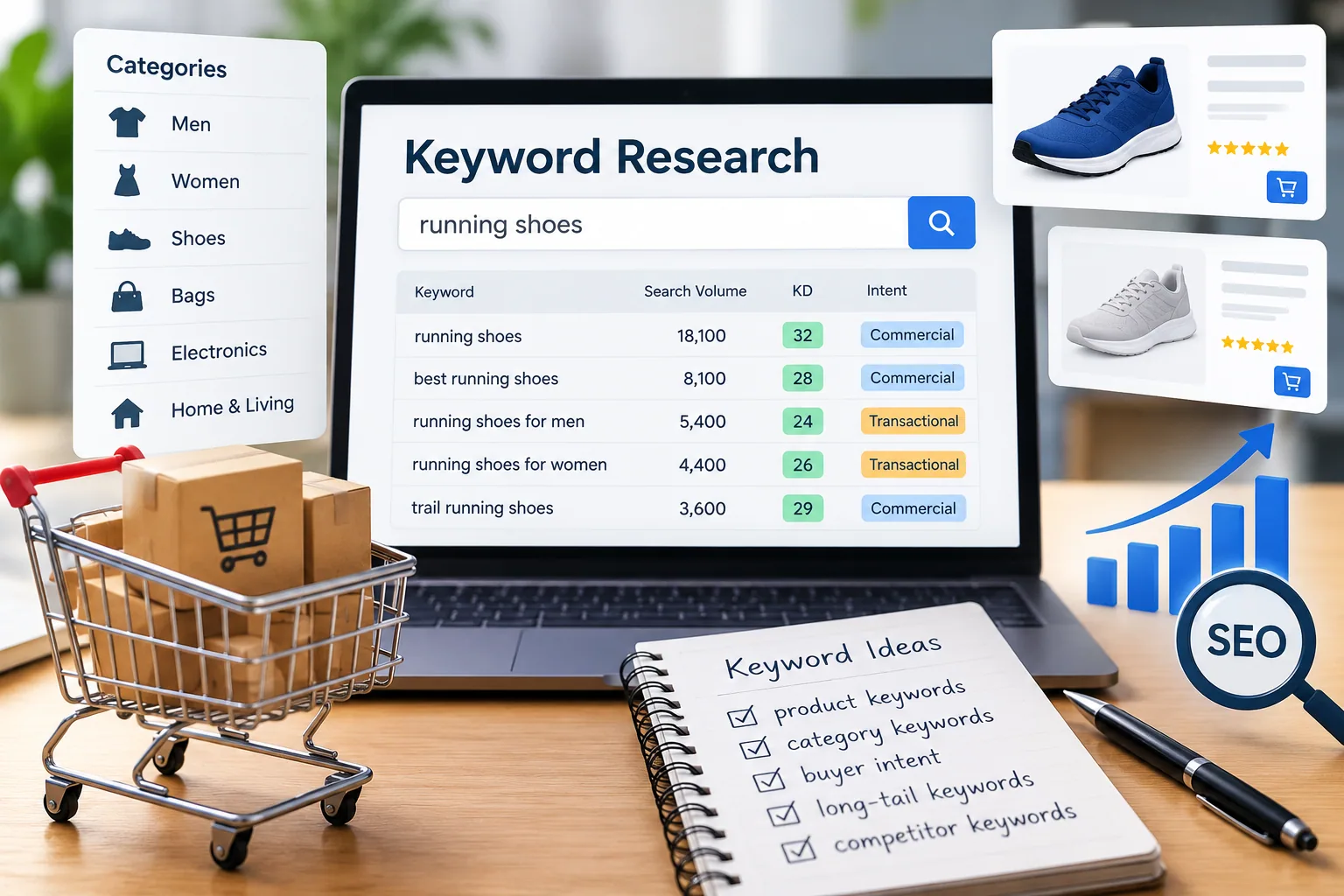
Effective keyword research is the foundation of any SEO strategy. Keywords connect your site with what users are actively searching for. By identifying high-value keywords, you can structure your content to meet the needs of users at different stages of the customer journey. For example, an e-commerce brand might use keywords that cater to informational searches (“how to choose the best product”) as well as transactional ones (“buy [product] online”).
Content, of course, is key. Regularly updating your site with high-quality, optimized content drives engagement and boosts page authority (PA). Integrating keywords naturally into SEO titles, meta descriptions, and throughout the content itself is essential. Alt text for images can also add SEO value, as it helps search engines interpret visual content.
For more tips on aligning content with audience needs, check out our services.
2. On-Page and Off-Page SEO
On-page SEO and off-page SEO complement each other to enhance overall visibility and authority. On-page SEO focuses on optimizing elements within your site, such as:
- Content relevance: Ensuring your content aligns with search intent.
- Internal linking: This strengthens your site structure and guides users and search engines through your content.
- Page speed: Loading speed is a ranking factor that impacts bounce rate—the rate at which users leave your site after viewing just one page.
In contrast, off-page SEO emphasizes building authority through external signals like backlinks from reputable sites. A strong link-building strategy is critical, as it shows search engines that your site is valuable and trustworthy. Effective off-page SEO can improve your domain’s authority, making it more likely to rank higher on SERPs.
"Building authority through off-page SEO is like building credibility in the real world. The more people trust and recommend your brand, the more authoritative it becomes online."
3. Technical SEO and User Experience
Technical SEO enhances your site's usability and crawlability — crucial aspects that search engines consider when ranking content. Technical elements include:
- Mobile Optimization: With a significant portion of searches happening on mobile devices, a mobile-friendly site isn’t just an advantage; it’s essential.
- Core Web Vitals: These performance metrics measure page load times and visual stability, both of which are critical for providing a good user experience.
- Secure and Accessible Site: Google rewards secure (HTTPS) sites, and ensuring users feel safe while browsing your site can improve conversion rates.
Through a combination of technical optimizations, you create a smooth, enjoyable experience that encourages visitors to stay longer and explore more pages. For an in-depth analysis, a free SEO audit can highlight technical areas that may need improvement.
Building Trust and Authority with SEO
As search engines continue to evolve, the emphasis on authority and trustworthiness has grown. Google, for instance, uses E-E-A-T (Experience, Expertise, Authoritativeness, and Trustworthiness) as a set of criteria to assess websites. Sites that demonstrate these qualities are more likely to rank higher, as they provide valuable information that meets users' needs.
To build trust with both search engines and users, it’s essential to focus on producing well-researched, accurate content that establishes your brand as a credible source in your industry. This can be achieved by:
- Creating high-quality blog content that answers users' questions and provides actionable insights.
- Showcasing expertise through case studies, industry insights, and data-backed claims.
- Linking to credible external sources to support your content while attracting backlinks from authoritative sites.
Trust isn’t just about what’s on your site; it’s also about your site’s reputation on the web. With an effective strategy, a single-brand store like Easy Ecommerce Marketing can strengthen its online presence and authority, benefiting from enhanced brand awareness and credibility.
The Importance of Local SEO
For businesses with a physical presence or those targeting specific regions, local SEO is a game-changer. By focusing on local SEO tactics, you can ensure that users in your area find you easily, particularly in map searches and local listings. Setting up and optimizing your Google My Business profile is an essential part of local SEO. This tool allows you to:
- Appear in local search results when users search for related services in their area.
- Provide contact information, location, hours, and reviews to potential customers.
- Increase visibility in mobile search results, especially valuable for users searching "near me."
Local SEO is especially powerful for mobile users, who often search for immediate services. Optimizing for these searches can result in significant traffic generation and lead generation for your site.
SEO’s Role in Improving User Experience (UX)
Modern SEO is intertwined with user experience (UX). Search engines like Google have evolved to prioritize not only relevance but also usability. This means that pages that offer a seamless, engaging experience are more likely to rank higher. Some aspects of UX that impact SEO include:
- Page Load Speed: A quick-loading site reduces bounce rates and keeps users engaged.
- Mobile Responsiveness: With the majority of searches conducted on mobile devices, responsive design is essential.
- User-Centric Design: A clear, intuitive layout helps visitors navigate your site, find what they need, and ultimately convert.
Investing in UX also strengthens conversion rate optimization (CRO). When users can easily find relevant products or information, they’re more likely to make a purchase or complete another desired action. For an effective way to gauge your current UX performance and identify areas for improvement, consider taking advantage of our free audit.
Content is King: The Value of High-Quality Content
SEO and content marketing go hand in hand. Content provides the foundation for keywords, engages users, and encourages sharing across social media. Good content not only helps boost rankings but also supports social media and SEO integration by giving people something valuable to share. Consider focusing on:
- Evergreen content: Topics that stay relevant over time, providing long-term SEO benefits.
- Educational resources: Guides, how-to articles, and explainer posts that answer common questions in your industry.
- Engaging visuals: Videos, infographics, and images that make your content visually appealing and accessible.
Content creation that aligns with search intent is vital to meet the expectations of both search engines and users. When you provide valuable content, users are more likely to return to your site, contributing to brand loyalty and customer trust.
“Content is the bridge that connects your audience to your brand. By offering insightful, engaging content, you not only capture their attention but also build lasting trust.”
Tracking Success with SEO Analytics
One of the standout advantages of SEO is that it’s quantifiable. Unlike some forms of traditional marketing, SEO provides measurable results, allowing you to track your website’s performance and refine your strategy as needed. Key metrics to monitor include:
- Organic traffic: How much of your traffic comes from search engines.
- Rankings: Your position on SERPs for target keywords.
- Bounce rate: How quickly users leave your site after viewing just one page, which can indicate the effectiveness of your content and UX.
- CTR (Click-Through Rate): The percentage of users who click on your link after seeing it in search results.
- Conversions: Actions taken by users, such as purchases, sign-ups, or contact requests.
Analytics tools like Google Analytics and search algorithms such as Google’s RankBrain, BERT, and MUM help website owners understand user behavior and identify what resonates with their audience. At Easy Ecommerce Marketing, our goal is to make these insights actionable, supporting a data-driven approach to growth and optimization.
Long-Term Benefits and Scalability of SEO
One of the primary advantages of investing in SEO is its long-term effectiveness. While other marketing tactics might generate short-term spikes in traffic or sales, SEO is designed to build a strong foundation that supports sustainable growth. With a well-executed SEO strategy, your website can continue to attract organic traffic and new leads over time without constant paid efforts.
SEO's scalability makes it a particularly appealing choice for businesses looking to expand their online reach. As your website grows, you can continue to target new keywords, create fresh content, and improve technical aspects to capture even more of the search market. By consistently updating your SEO strategy, you ensure that your site remains competitive and visible as search algorithms and user behaviors evolve.
This scalability means that even a single-brand store, like Easy Ecommerce Marketing, can grow its online presence and increase its customer base by continually expanding its SEO efforts.
Cost-Effectiveness of SEO Compared to Other Marketing Channels
SEO is also highly cost-effective compared to many other forms of digital marketing. While pay-per-click (PPC) advertising can bring immediate visibility, it often requires a substantial budget, especially in competitive industries. SEO, on the other hand, allows your website to earn visibility through organic search results without ongoing ad spend. Once you achieve high rankings for specific keywords, you can often maintain them with minimal additional effort, compared to constantly paying for ad placements.
This cost-efficiency makes SEO an ideal long-term strategy. The time and resources invested in optimizing your website pay off continuously, driving traffic and leads at no extra cost. If you’re interested in understanding how SEO can support a cost-effective marketing plan, consider our detailed services to see how we can support your goals.
The Role of SEO in Reputation Management
A well-optimized website contributes significantly to reputation management. As search engines serve up results based on user intent and trust signals, a website that consistently ranks high is perceived as more reputable by users. This positive perception is invaluable for building long-term relationships with your audience.
Through SEO, you can also control how your brand appears in search results, ensuring that the most relevant and positive content is visible to your audience. This is particularly important for reputation management, as it allows you to control the narrative around your brand. If your brand is actively discussed online, a strong SEO strategy helps ensure that users see accurate, favorable information about your business when they search for it.
How SEO Integrates with Other Marketing Channels
One of the most powerful aspects of SEO is how it complements and enhances other marketing efforts, including:
- Content Marketing: Quality content that answers users’ questions and meets their needs is crucial for both SEO and content marketing. Well-optimized content attracts organic traffic and can be easily shared across channels, amplifying its reach.
- Social Media: SEO and social media can work together to boost visibility. Engaging content optimized for search is more likely to be shared, driving additional traffic and enhancing brand awareness.
- PPC Advertising: While PPC is a paid effort, it can be strategically combined with SEO. For instance, using PPC to target highly competitive keywords while focusing on SEO for others can create a balanced approach that maximizes reach without overspending.
Each of these channels benefits from SEO’s core principles of keyword research, content optimization, and user engagement. By aligning your SEO strategy with other digital marketing efforts, you can create a cohesive online presence that reinforces your brand across multiple touchpoints.
Staying Ahead of SEO Trends and Algorithm Changes
The SEO landscape is constantly changing, with search engines like Google frequently updating their algorithms to improve user experience. Staying updated on these changes is crucial for maintaining high rankings and ensuring your site aligns with best practices. Some recent advancements include:
- AI in Search: Algorithms like Google’s RankBrain, BERT, and MUM use AI to better understand user intent and deliver more relevant results. For website owners, this means creating content that speaks directly to user needs and is highly informative.
- Voice Search Optimization: As more users rely on voice-activated searches, websites must adapt by including natural language and question-based keywords to capture these queries.
- Core Web Vitals: Google’s metrics for page speed, interactivity, and visual stability are increasingly important for ranking. Websites that perform well in these areas not only rank higher but also provide a better user experience.
Staying informed about these trends and proactively adapting your SEO strategy can keep your website competitive, even as the digital landscape evolves.
Conclusion: Why Your Website Needs SEO
The benefits of SEO for a website are multi-dimensional, impacting everything from visibility and user experience to brand trust and cost-efficiency. A strong SEO strategy offers long-term advantages, builds a reputable online presence, and integrates seamlessly with other digital marketing channels. For a single-brand business like Easy Ecommerce Marketing, SEO is not only a way to reach more customers but a sustainable strategy for fostering long-lasting connections with your audience.
Whether you’re just beginning your SEO journey or looking to refine an existing strategy, a comprehensive approach to SEO can make a transformative difference. By understanding the core elements of SEO and implementing them effectively, you’ll be well on your way to building a strong, successful online presence that stands out in the competitive digital world.
For those ready to take the next step, start with a free audit to see where your website currently stands and unlock the full potential of SEO for your brand.
FAQ: Why SEO is Important for Your Website
1. How does SEO differ from paid advertising?
SEO focuses on improving your website's visibility organically, meaning you don’t pay for each visitor that arrives from search engines. Paid advertising, like pay-per-click (PPC), requires you to pay for each click or view on an ad. SEO is a longer-term strategy, while PPC offers immediate visibility but incurs continuous costs.
2. Can SEO help a small or new business compete with larger brands?
Yes, SEO can level the playing field by allowing smaller businesses to focus on niche keywords, local SEO, and specific target audiences. By building quality content and a strong online reputation, smaller businesses can achieve visibility in their areas of expertise even when competing with larger brands.
3. How long does it take to see results from SEO?
SEO is a long-term investment, and results typically take a few months to materialize. For new sites, it may take six months to a year to see significant traffic increases, though individual results vary depending on competition, keyword difficulty, and how effectively SEO best practices are implemented.
4. Does social media activity impact SEO?
Indirectly, yes. While social media links may not directly boost SEO rankings, social media can drive traffic to your site, increase brand awareness, and improve engagement, which can benefit your SEO efforts. High-quality content shared across social platforms is also more likely to attract backlinks, an important SEO factor.
5. What’s the role of backlinks in SEO?
Backlinks are links from other websites that point to your site, and they act as endorsements of your site’s credibility. The more high-quality backlinks you have, the more search engines view your site as authoritative, which can boost your rankings. However, quality matters more than quantity in backlinking.
6. Do SEO rankings change over time, even if I don’t make changes to my site?
Yes, rankings can change due to factors like algorithm updates, competitor activity, seasonal trends, and changes in search volume. Regularly updating your site’s content, monitoring SEO trends, and adapting to changes in user behavior help maintain and improve rankings over time.
7. What is the difference between on-page and technical SEO?
On-page SEO involves optimizing content, keywords, and metadata within each page to improve relevance and visibility. Technical SEO, on the other hand, focuses on the backend structure and performance of your site, like page speed, mobile responsiveness, and security, to ensure it is easily accessible and indexable by search engines.
8. Can I do SEO myself, or do I need a professional?
While anyone can learn and apply basic SEO practices, professional SEO agencies bring experience, tools, and strategies that can save time and yield better results. For competitive industries or complex websites, hiring a professional often leads to more efficient, impactful optimization.
9. How does local SEO work, and is it relevant for online-only businesses?
Local SEO targets users in specific geographic areas, helping local businesses appear in “near me” searches and map listings. For online-only businesses, local SEO may not be as critical unless they’re targeting specific regions or cities. However, local SEO can be beneficial if you serve certain locations or have physical store locations.
10. How does SEO support brand credibility?
SEO helps establish your brand as an authoritative source. When your site consistently ranks highly for relevant searches, users perceive your brand as reliable and trustworthy. High-quality content, strong backlinks, and positive user experiences all contribute to SEO’s ability to bolster your brand’s credibility.